
How to Use the JR Pass in 2026: Prices, Nozomi Rules & Is It Worth It
Last updated: 4 October 2026. Prices reflect the overseas-agent price increase that took effect on 1 October 2026.
The Japan Rail Pass used to be the first thing every Japan first-timer bought. That changed in October 2023, when the price jumped by roughly 70 percent, and it changed again on 1 October 2026, when passes bought through overseas travel agents got another increase.
So the real question in 2026 is no longer just how to use the JR Pass. It is whether your route actually earns back ¥50,000, and how to squeeze the most out of it if it does. This guide answers both, step by step: current prices, where to buy, how the ticket gates and free seat reservations work, the Nozomi rule most people get wrong, and a simple way to check whether the pass pays off for your trip.
JR Pass at a Glance (2026)
| What | Details |
|---|---|
| What it is | Unlimited rides on almost all JR trains, including most shinkansen, for 7, 14 or 21 consecutive days |
| Cheapest 7-day price | ¥50,000 (ordinary car, bought on the official JR Pass website) |
| Who can buy it | Foreign visitors entering Japan as “Temporary Visitor”, plus Japanese nationals who have lived abroad for 10+ years |
| Nozomi & Mizuho | Allowed if you buy an extra “Nozomi Mizuho Ticket” (e.g. ¥4,960 Tokyo–Shin-Osaka) |
| Seat reservations | Free and unlimited |
| Ticket gates | Works in automatic gates (insert the pass like a normal ticket) |
| Not covered | Subways, private railways, highway buses, Nozomi/Mizuho without the extra ticket |
| Validity | Calendar days, midnight to midnight |
JR Pass Prices in 2026
There are now two price levels depending on where you buy. The official JR Pass website kept its prices. Overseas agents raised theirs on 1 October 2026.
| Pass | Official website (adult) | Overseas agent (adult, from 1 Oct 2026) | Official website (child 6–11) |
|---|---|---|---|
| 7-day Ordinary | ¥50,000 | ¥53,000 | ¥25,000 |
| 14-day Ordinary | ¥80,000 | ¥84,000 | ¥40,000 |
| 21-day Ordinary | ¥100,000 | ¥105,000 | ¥50,000 |
| 7-day Green | ¥70,000 | ¥74,000 | ¥35,000 |
| 14-day Green | ¥110,000 | ¥116,000 | ¥55,000 |
| 21-day Green | ¥140,000 | ¥147,000 | ¥70,000 |
Our take: unless an agent bundles something you genuinely need, buy on the official website. It is ¥3,000 to ¥7,000 cheaper per adult, and it is also the only route that lets you reserve seats online before you arrive.
🎥 Watch the Visual Guide Here: Is the JR Pass Worth It in 2026? We Ran the Numbers
Is the JR Pass Worth It in 2026?
The honest answer: for the classic Tokyo–Kyoto–Osaka–Hiroshima loop, it is borderline. It starts paying off once you add long side trips, or if you would rather not think about tickets at all.
Here is a typical 7-day first-timer route priced with regular reserved-seat tickets (approximate one-way fares, ordinary car):
| Leg | Approx. regular fare |
|---|---|
| Tokyo → Kyoto (shinkansen) | ¥14,170 |
| Kyoto → Hiroshima (shinkansen) | ~¥11,000 |
| Hiroshima → Miyajima and back (JR train + JR ferry) | ~¥1,000 |
| Hiroshima → Tokyo (shinkansen) | ¥19,440 |
| Total | ~¥45,600 |
That is less than the ¥50,000 pass, so buying single tickets wins on this route.
Now add one day trip from Tokyo to Sendai and back (about ¥11,410 each way on the Hayabusa) and the total climbs to roughly ¥68,000. At that point the pass saves you around ¥18,000.
A quick rule of thumb: add up your planned long-distance legs on a route planner such as Google Maps or Navitime. If the total is clearly above the pass price, buy the pass. If it is close, single tickets give you more flexibility, including faster Nozomi trains without the extra fee.
If you are planning only one region, a regional pass is usually better value. For Osaka, Kyoto, Nara, Himeji and Kinosaki, look at the 5-day Kansai Wide Area Pass, which also covers the trip to Kinosaki Onsen, a hot spring town 2.5 hours north of Osaka.
How to Buy the JR Pass
- Go to the official JAPAN RAIL PASS website (japanrailpass.net) and choose your pass type, duration and start date window.
- Enter each traveller’s passport details exactly as printed. The name must match the passport you show in Japan.
- Pay by credit card. You receive a reservation number by email.
- Optional, but worth it: reserve your first shinkansen seats online straight away, especially for weekends, Golden Week (late April to early May), Obon (mid-August) and New Year.
If you buy from an overseas agent instead, you receive an exchange order (a voucher), which you swap for the real pass in Japan. Exchange orders must be exchanged within 3 months of being issued.
How to Collect and Activate Your Pass in Japan
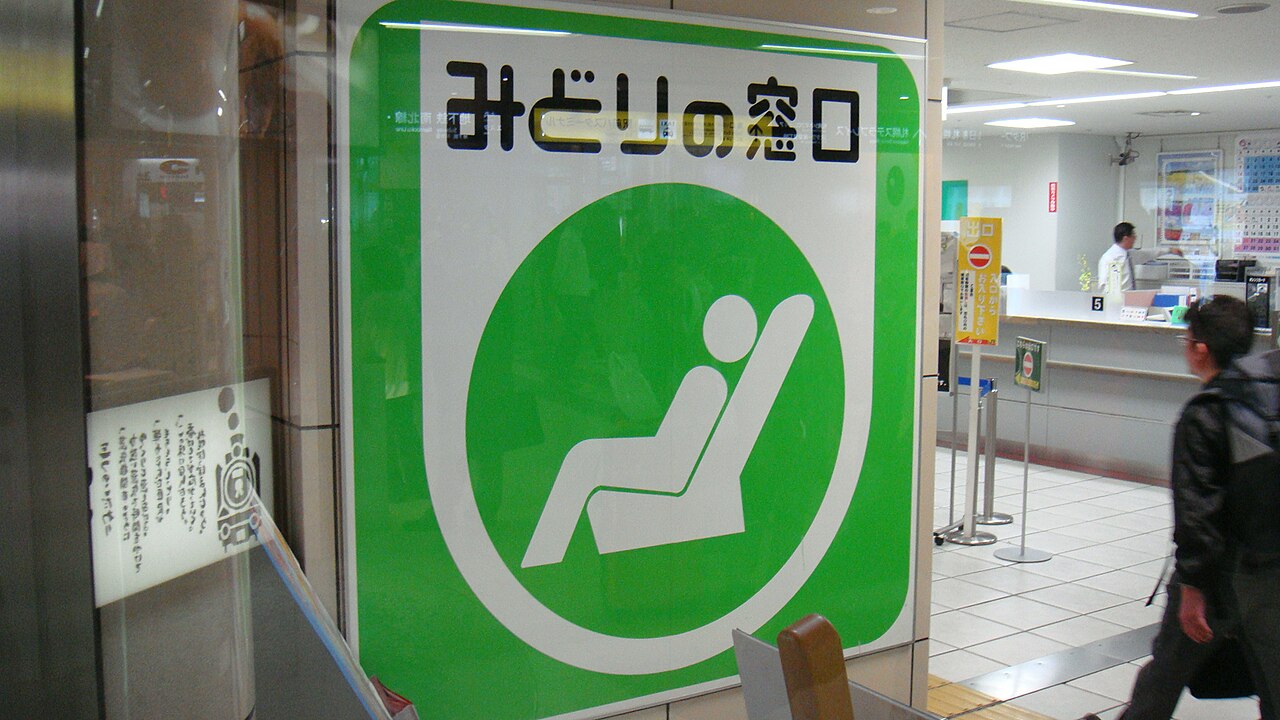
- Go to a JR ticket office or a JR Pass-compatible ticket machine at a major station or airport (Narita, Haneda, Kansai Airport, Tokyo, Shinjuku, Kyoto, Shin-Osaka and others).
- Show your passport with the “Temporary Visitor” landing sticker or stamp.
- Choose your start date. It does not have to be today. Pick the day of your first long-distance trip, not the day you land, so you do not waste pass days on city sightseeing.
- Receive the pass as a magnetic ticket-sized card. Check the name and dates before you walk away.
Tip: if you land at Haneda and your first long trip is a few days away, buy a Suica or PASMO card for Tokyo instead and set the pass start date for the morning you leave Tokyo.
How to Use the JR Pass at Ticket Gates
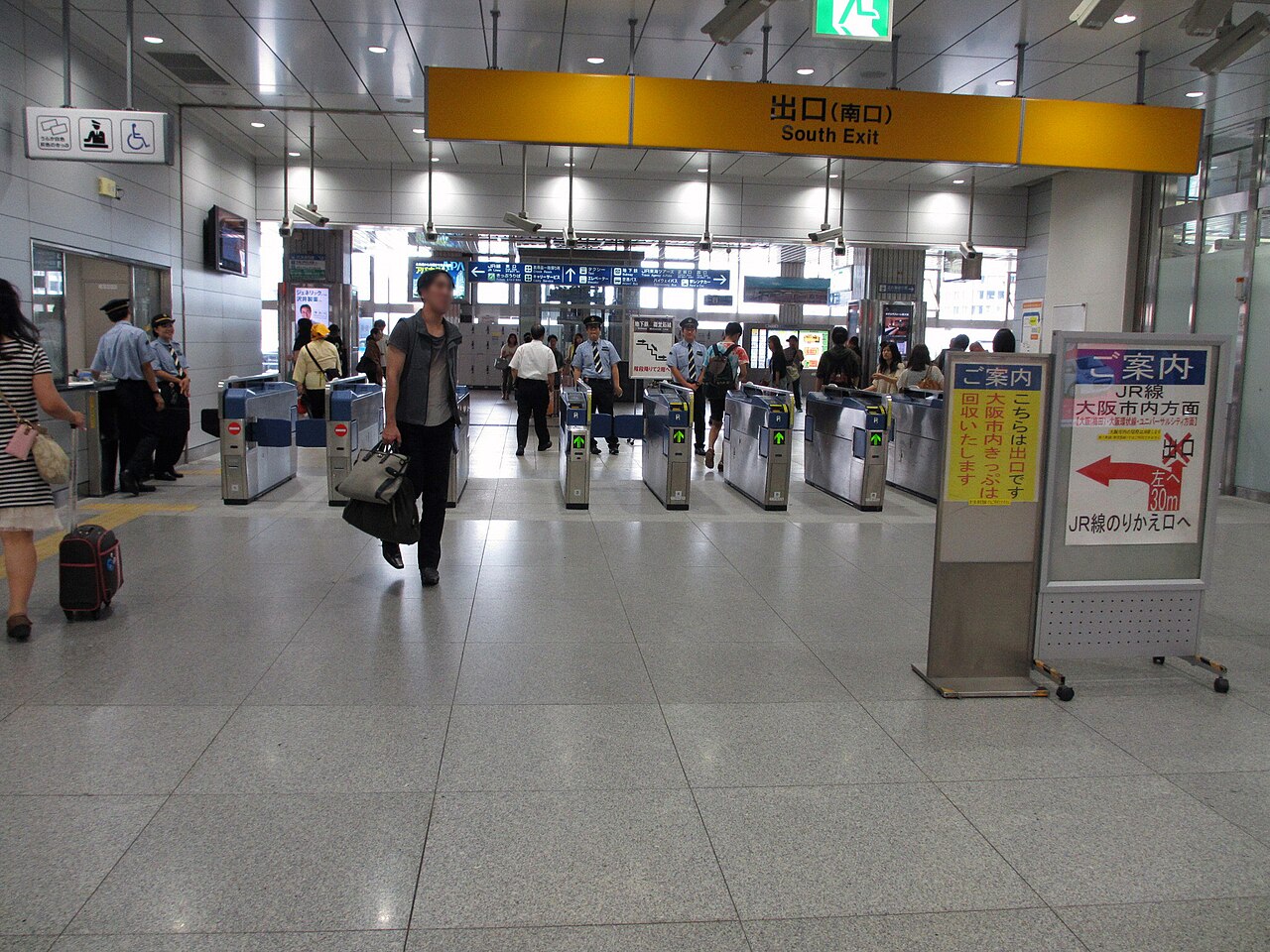
The current JR Pass is a magnetic ticket, so you insert it into automatic ticket gates just like a normal ticket, then pick it up on the other side.
- With a seat reservation: insert the pass and the seat ticket together (stacked). Both come out the other end.
- Changing to the shinkansen: at stations like Tokyo or Shin-Osaka, there is a second gate between the regular JR lines and the shinkansen platforms. Insert the pass again.
- If a gate rejects it: use the staffed gate at the side and show the pass and your passport.
- Keep your passport on you. Staff may ask to see it to confirm the pass is yours.
How to Reserve Seats with the JR Pass (Free)
Seat reservations cost nothing with a JR Pass, and you can make as many as you like.
Three ways to reserve:
- Online on the official JR Pass website, if you bought your pass there.
- At a reserved-seat ticket machine (green or teal machines marked for JR Pass). Insert the pass or scan your passport, choose your train, then pick a seat from the map.
- At a JR ticket office (Midori-no-madoguchi). Write down the date, train name and time to make it quick.
Which side to sit on: on the Tokaido Shinkansen from Tokyo toward Kyoto and Osaka, seat E (the window on the two-seat side) gives you the best chance of seeing Mount Fuji on a clear day.
Do you need reservations? Many shinkansen have unreserved cars, but some trains are reserved-only (for example the Hayabusa on the Tohoku Shinkansen and the Kagayaki on the Hokuriku Shinkansen). On busy holidays, unreserved cars fill up fast.
Nozomi and Mizuho: The Rule Most People Get Wrong
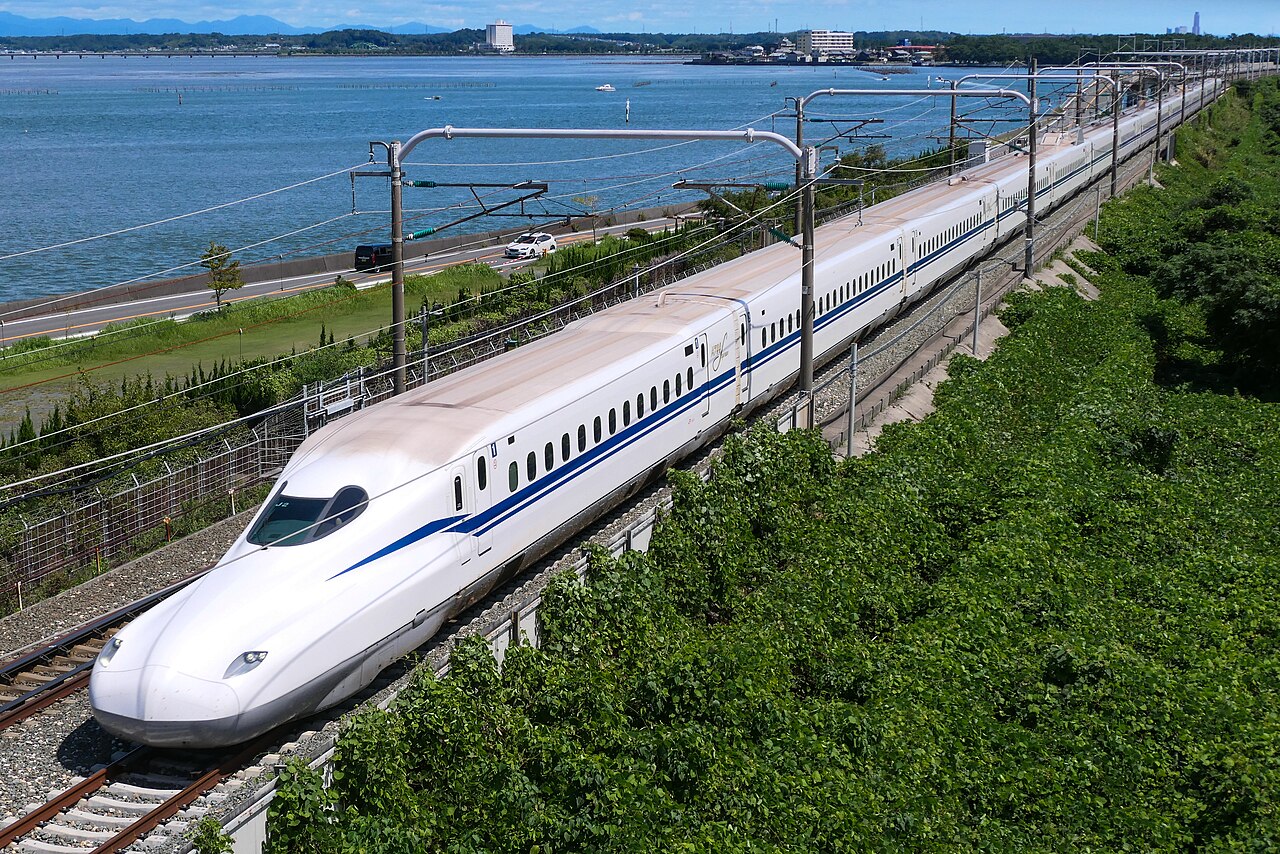
The JR Pass alone does not cover the fastest trains on the Tokaido, Sanyo and Kyushu shinkansen: Nozomi and Mizuho. Since October 2023, you can ride them if you buy a Nozomi Mizuho Ticket for each journey.
| Section | Nozomi Mizuho Ticket |
|---|---|
| Tokyo – Nagoya | ¥4,180 |
| Tokyo – Kyoto | ¥4,960 |
| Tokyo – Shin-Osaka | ¥4,960 |
| Tokyo – Hiroshima | ¥6,500 |
| Shin-Osaka – Hakata | ¥4,960 |
| Hakata – Kagoshima-Chuo | ¥5,150 |
Is it worth paying? Usually not. The Hikari from Tokyo to Kyoto or Shin-Osaka is fully covered and only takes about 20 to 30 minutes longer. Between Osaka and Hiroshima, the Sakura is covered and nearly as fast. Pay for the Nozomi only when the timing really matters, for example to catch an early flight.
What the JR Pass Covers (and What It Doesn’t)
| Covered | Not covered |
|---|---|
| Most shinkansen (Hikari, Kodama, Sakura, Hayabusa, Kagayaki and more) | Nozomi and Mizuho without the extra ticket |
| JR limited express, rapid and local trains | Tokyo Metro, Toei, Osaka Metro and other subways |
| Narita Express and Haruka airport trains | Private railways (Keisei, Nankai, Hankyu, Kintetsu and others) |
| Tokyo Monorail to and from Haneda Airport | Highway buses |
| JR Ferry to Miyajima (the ¥100 visitor tax is extra) | Private compartments and berths on night trains |
| Most local routes of JR Bus companies (check before boarding) | |
| A few non-JR lines that connect JR sections, such as Aoimori Railway |
Best Routes to Use Your JR Pass
Tokyo to Kyoto and Osaka (Tokaido Shinkansen)
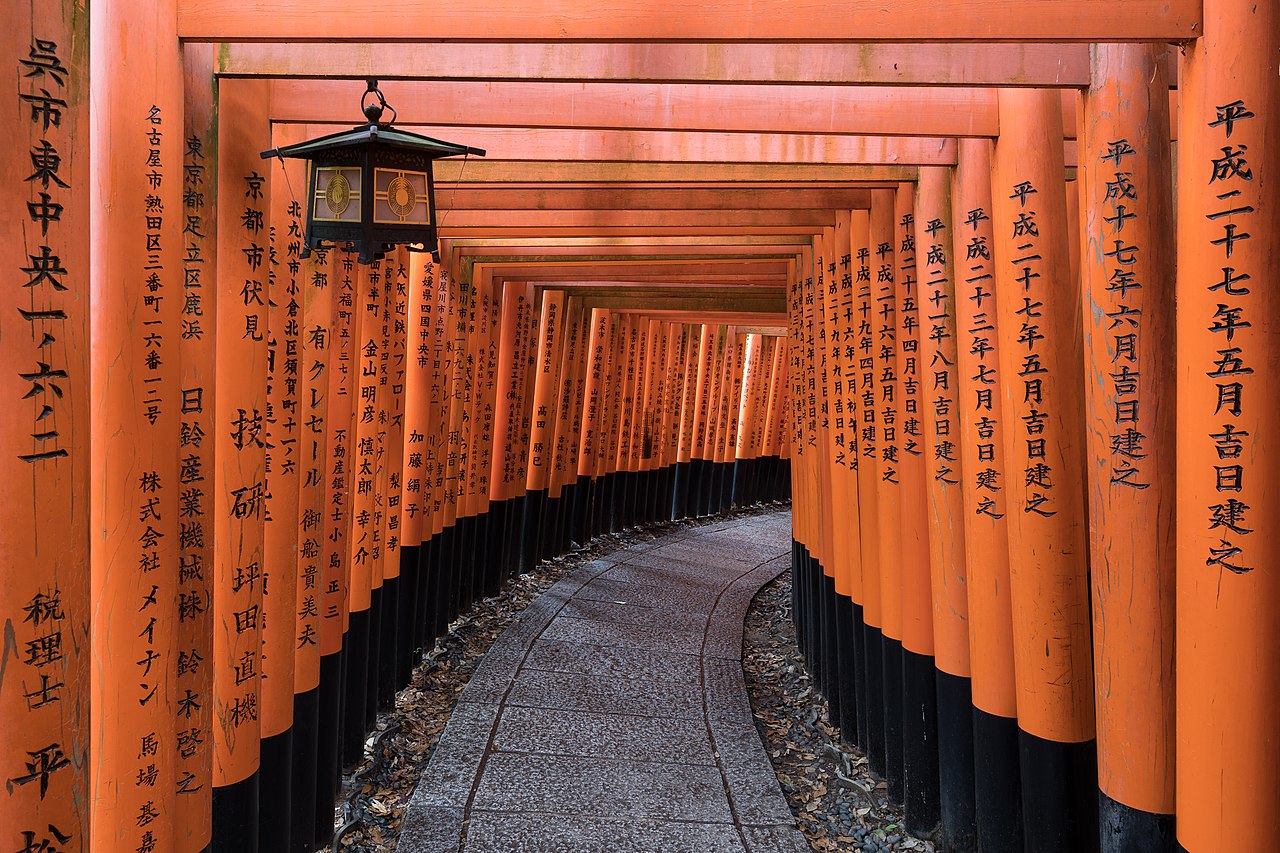
The backbone of most trips. The Hikari takes about 2h40 from Tokyo to Kyoto. Once in Kyoto, the pass also covers the JR Nara Line to Inari Station for Fushimi Inari Taisha and the JR Sagano Line to Saga-Arashiyama. In Osaka, use the JR Osaka Loop Line to get around the city centre. Our guide to the must-visit places in Osaka shows which sights are near JR stations.
Osaka to Hiroshima and Miyajima (Sanyo Shinkansen)
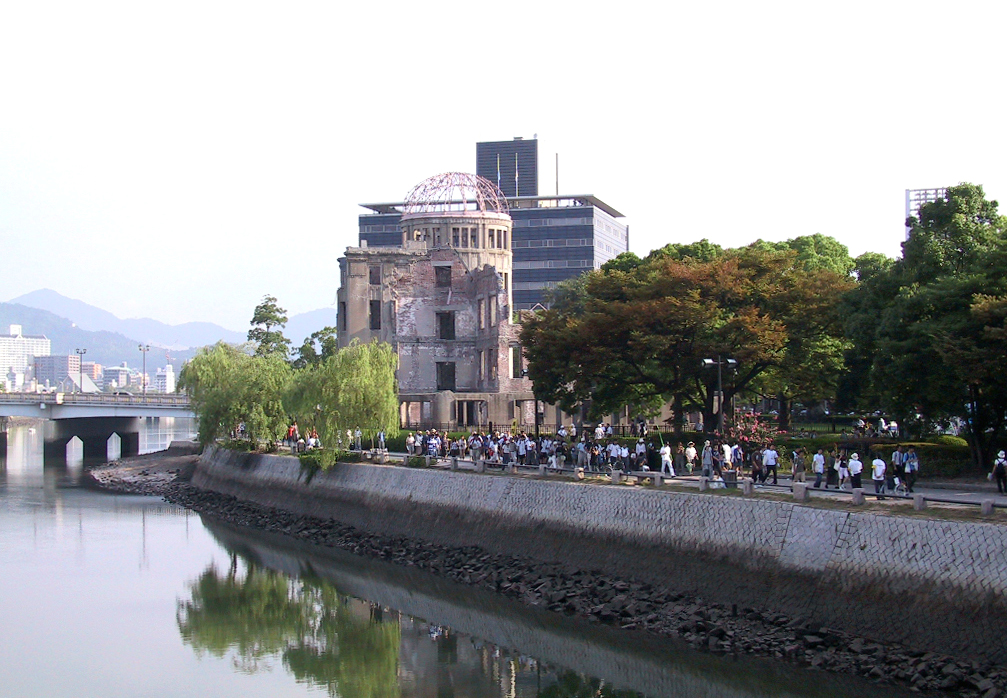
The Sakura takes about 1h30 from Shin-Osaka to Hiroshima. From Hiroshima Station, the JR Sanyo Line runs to Miyajimaguchi in about 30 minutes.
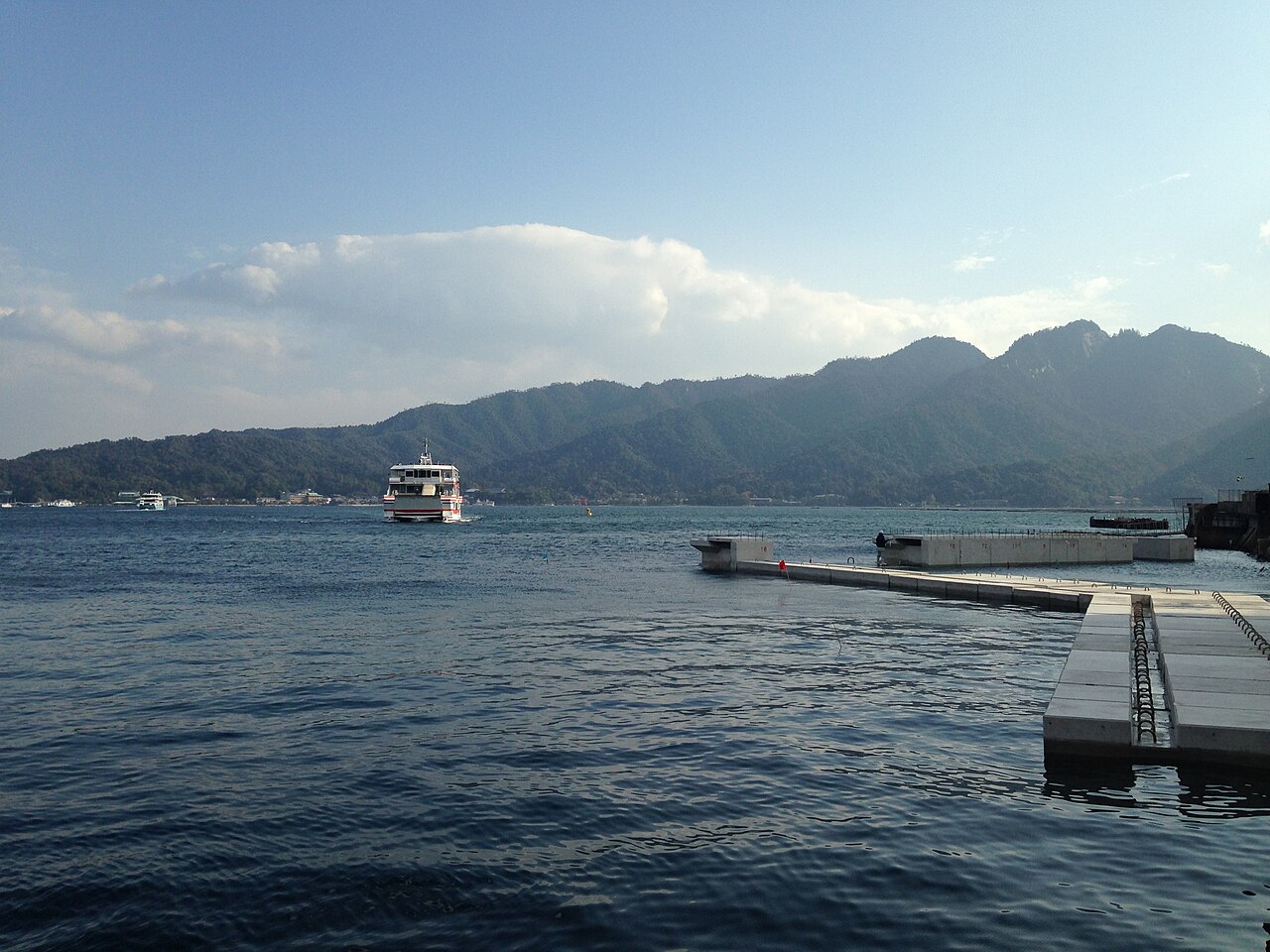
From Miyajimaguchi, take the JR ferry (not the competing Matsudai ferry) to Miyajima. It is covered by the pass, and some sailings pass close to the famous floating torii gate.
Tokyo to Kanazawa (Hokuriku Shinkansen)
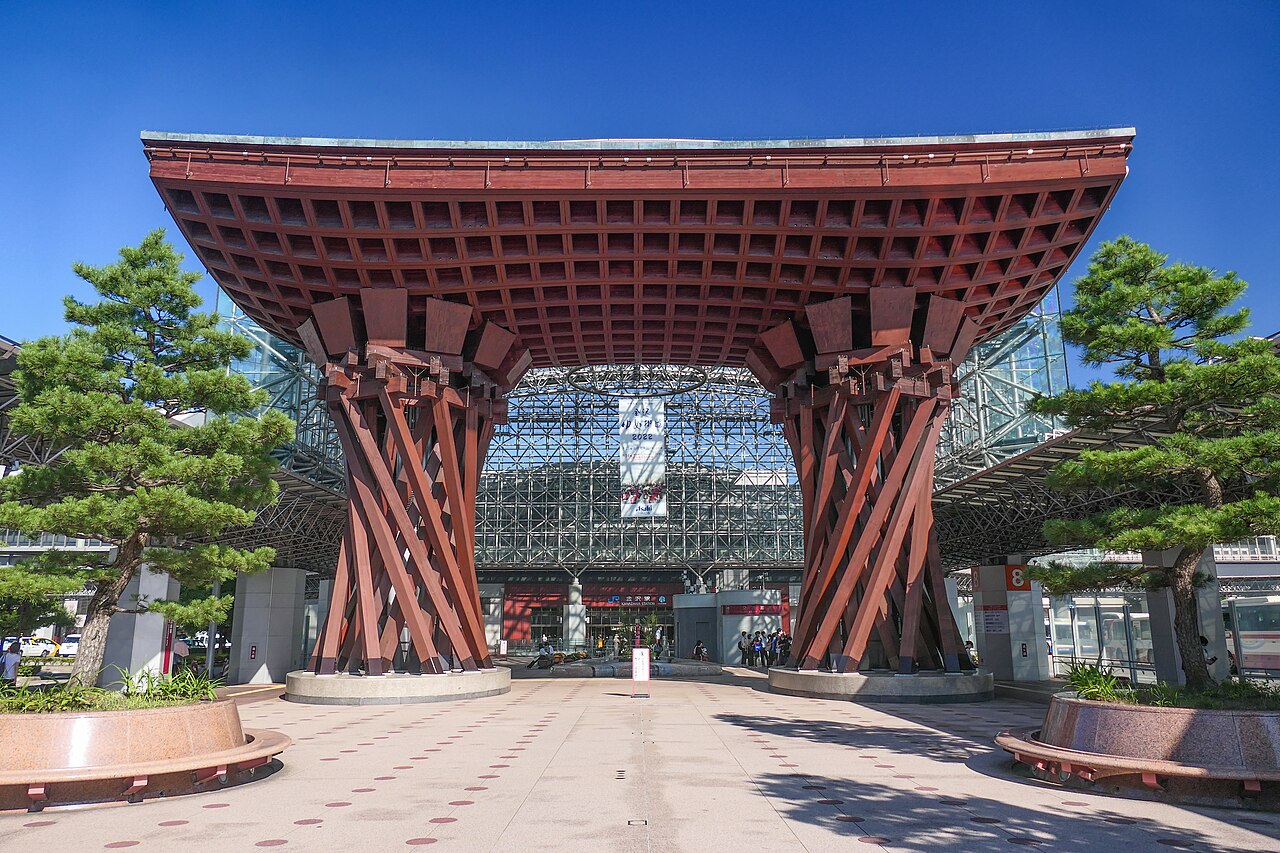
About 2h30 on the Kagayaki (reservation required). Kanazawa’s samurai and geisha districts and Kenrokuen Garden make it one of the best-value side trips on the pass. The same line stops at Nagano, the gateway to Hakuba and Nozawa Onsen.
Tokyo to Nagano for the Ski Resorts
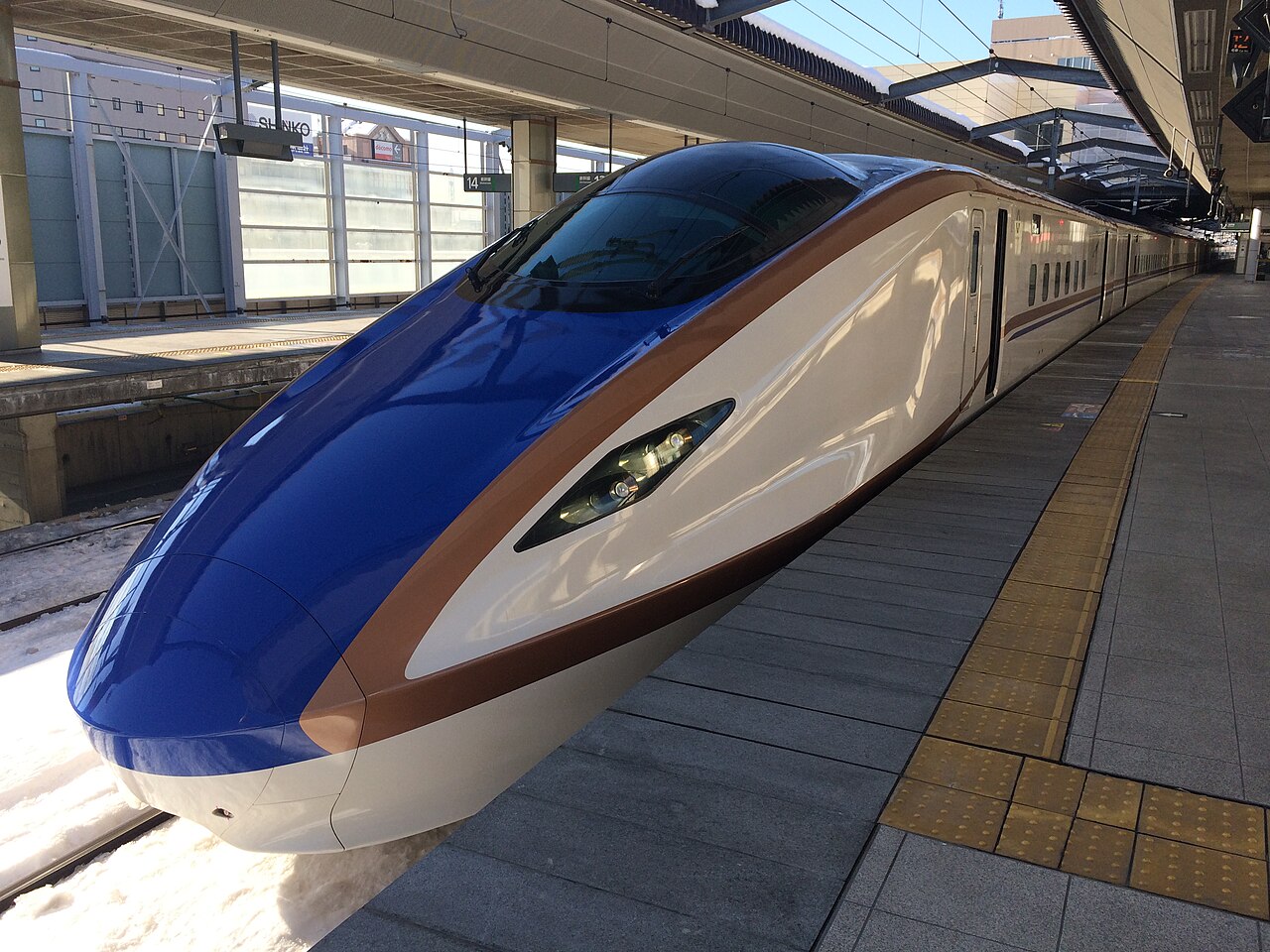
Tokyo to Nagano takes around 1h20 on the Hokuriku Shinkansen. From there, buses run to the big resorts. If you are planning a winter trip, our guide to reaching Japan’s best ski resorts by Shinkansen compares Hakuba, Nozawa Onsen and the Hokkaido resorts.
Tokyo to Sendai and Aomori (Tohoku Shinkansen)
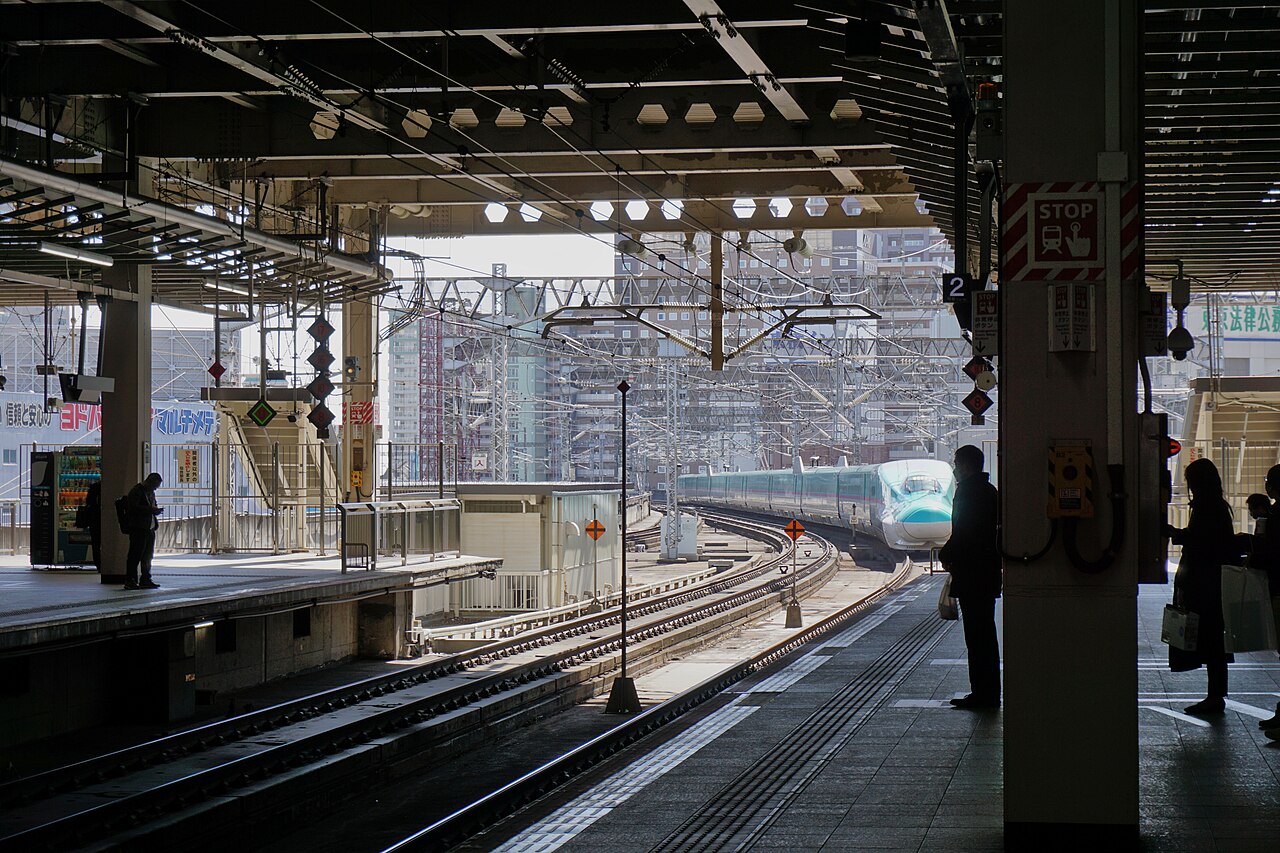
The Hayabusa reaches Sendai in about 1h30 and Shin-Aomori in about 3 hours. This is where a 7-day pass earns real money, because these are long, expensive legs. In early August, it also gets you to Aomori for the Nebuta Matsuri. See our calendar of traditional Japanese festivals for dates.
🎥 Watch the Visual Guide Here: How to ACTUALLY Use Your JR Pass in Japan (Pick-Up, Seat Reservations, Ticket Gates)
Practical Tips to Get More from Your Pass
- Start the pass on your first long trip, not on arrival day.
- Plan your longest legs inside the pass window, and use a Suica or PASMO card for city travel on the other days.
- Send big luggage ahead with a takkyubin delivery service. Shinkansen require a reservation for oversized bags (total dimensions over 160 cm) on the Tokaido, Sanyo and Kyushu lines.
- Travel season affects seat availability, not the pass price. Our month-by-month guide to the best time to visit Japan shows when trains are busiest.
- Keep the pass safe. Lost passes are not reissued or refunded.
JR Pass FAQ
Can I use the JR Pass on the Nozomi?
Only if you buy a separate Nozomi Mizuho Ticket for each ride (¥4,960 between Tokyo and Shin-Osaka). The Hikari is covered and only slightly slower.
Does the JR Pass work in automatic ticket gates?
Yes. Insert it like a normal ticket. If you have a seat reservation, insert both tickets together.
Are seat reservations free with the JR Pass?
Yes, and unlimited. You can reserve online (if you bought on the official site), at ticket machines or at JR ticket offices.
Is the JR Pass cheaper on the official website?
Yes. Since 1 October 2026, overseas agents charge more (¥53,000 for 7 days versus ¥50,000 on the official site).
Does the JR Pass cover Tokyo subways?
No. Tokyo Metro and Toei lines are not JR. Within Tokyo, the JR Yamanote Line is covered.
Can I use the JR Pass from Haneda Airport?
Yes. The Tokyo Monorail between Haneda and Hamamatsucho is covered.
Plan Your Trip Around the Pass
The JR Pass works best with a route that is mapped out before you buy. Pick your season first, decide which long-distance legs you really need, and then compare the total with the pass price. If Kansai is your base, pair this guide with our Osaka travel guide and an overnight onsen stop in Kinosaki, both linked above.
Sources checked: JAPAN RAIL PASS official site: prices, JAPAN RAIL PASS official site: Nozomi Mizuho Ticket, japan-guide.com: Japan Rail Pass. Regular fares are approximate and vary slightly by season.
4 thoughts on “How to Use the JR Pass in 2026: Prices, Nozomi Rules & Is It Worth It”