
Must-Visit Places in Osaka: 12 Best Spots + 3-Day Itinerary (2026)
Last updated: 4 October 2026.
Osaka is the city where Japan loosens its tie. People talk to strangers, shop staff shout greetings across the street, and the local motto, kuidaore, roughly means “eat until you drop”. It is also one of the most practical bases in Japan: Kyoto is 15 minutes away by shinkansen, Nara and Kobe are under an hour, and Kansai Airport has direct trains into the city.
This guide covers the 12 must-visit places in Osaka, what each one is actually like, how long to spend there and which station to use. At the end you will find a 3-day itinerary, where to stay, how to get around and the best day trips.
Osaka at a Glance
| Place | Best for | Time needed | Nearest station |
|---|---|---|---|
| Osaka Castle | History, cherry blossoms | 2–3 hours | Osakajokoen (JR), Tanimachi 4-chome (Metro) |
| Dotonbori | Street food, neon at night | 2–3 hours | Namba (Metro) |
| Kuromon Market | Seafood snacks | 1 hour | Nippombashi (Metro) |
| Shinsekai & Tsutenkaku | Retro Osaka, kushikatsu | 1.5 hours | Ebisucho (Metro), Shin-Imamiya (JR) |
| Umeda Sky Building | Sunset views | 1 hour | Osaka (JR), Umeda (Metro) |
| Abeno Harukas | Highest view in Osaka | 1 hour | Tennoji (JR, Metro) |
| Shitennoji | Japan’s oldest official temple | 1 hour | Shitennoji-mae Yuhigaoka (Metro) |
| Sumiyoshi Taisha | Ancient shrine architecture | 1 hour | Sumiyoshitaisha (Nankai) |
| Universal Studios Japan | Super Nintendo World | Full day | Universal City (JR) |
| Osaka Aquarium Kaiyukan | Whale sharks, families | 2–3 hours | Osakako (Metro) |
| Namba Yasaka Shrine | Giant lion-head stage | 20 minutes | Namba (Metro) |
| Nakanoshima | Architecture, river walks | 1–2 hours | Yodoyabashi, Kitahama (Metro) |
1. Osaka Castle
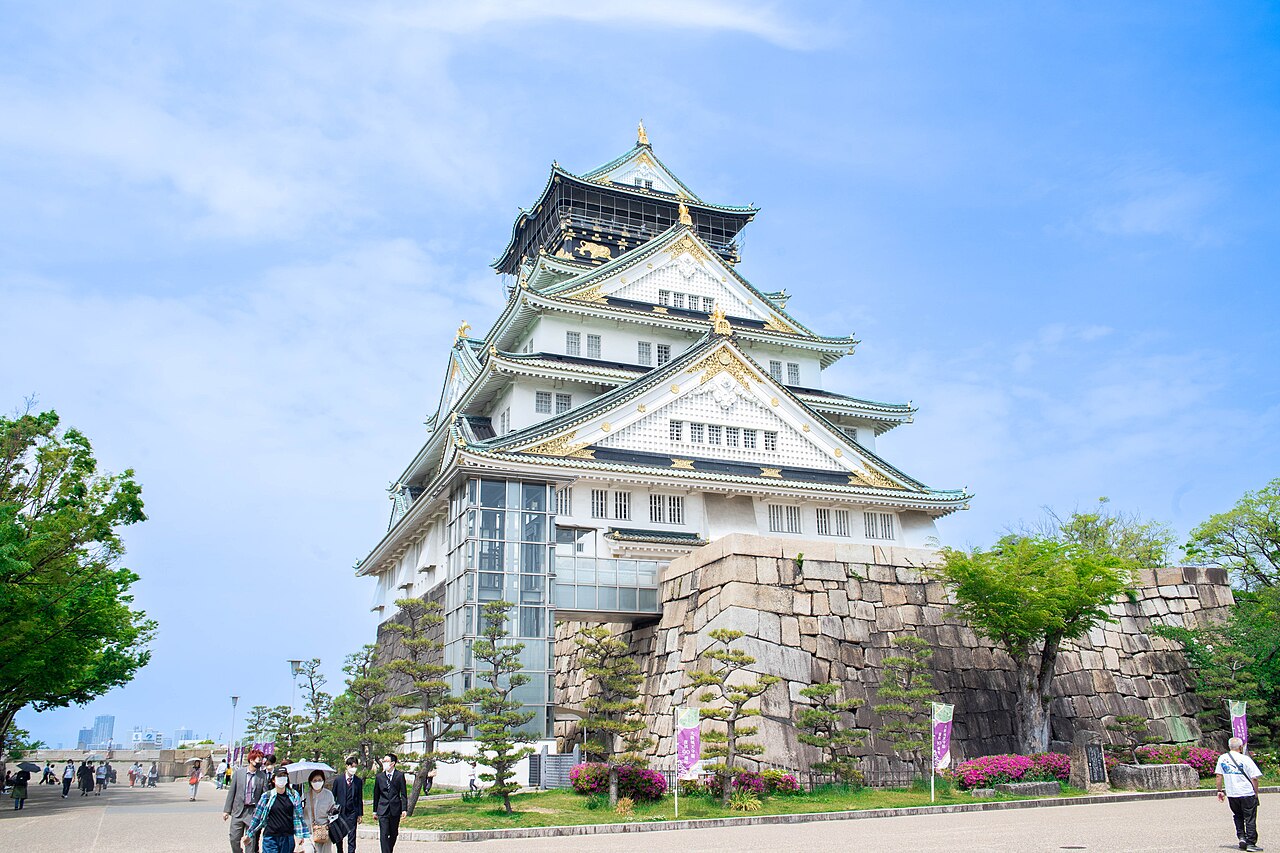
Toyotomi Hideyoshi began building Osaka Castle in 1583 as the seat of his newly unified Japan. The original was destroyed in 1615, and the tower you see today is a 1931 reconstruction in reinforced concrete, with a modern museum inside. That disappoints some visitors, but the real highlight is outside: the massive stone walls, the moats and the park around them.
- Main tower: ¥1,200 for adults. The museum covers Hideyoshi’s life and the 1615 siege, and the 8th-floor deck looks over the whole park.
- Nishinomaru Garden: around 600 cherry trees, one of the best hanami spots in the city in late March and early April.
- Gozabune boat: a short ride around the inner moat that shows the stone walls from water level.
- Tip: arrive at opening time. By late morning the tower has long queues, especially in spring.
2. Dotonbori and Hozenji Yokocho
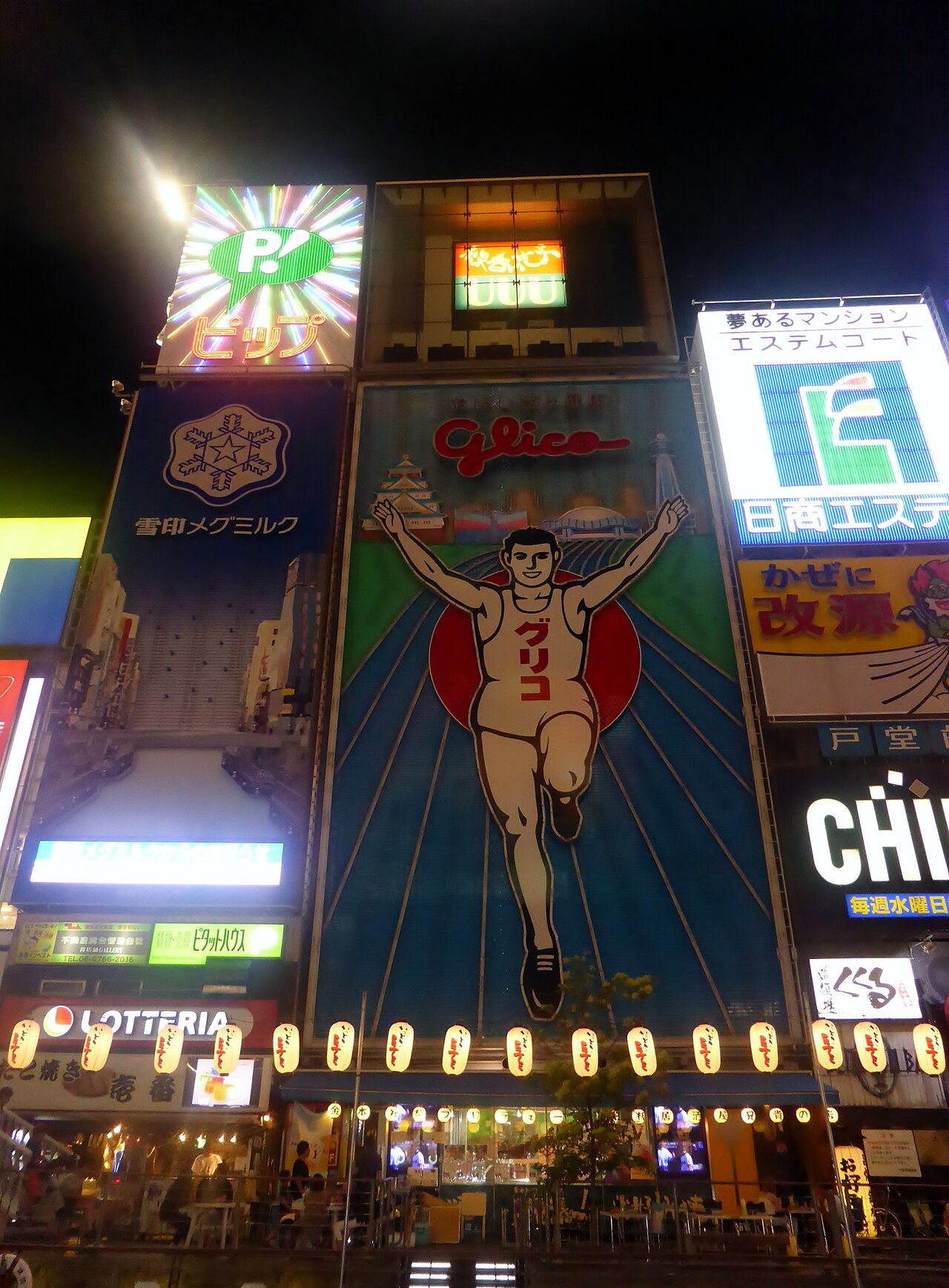
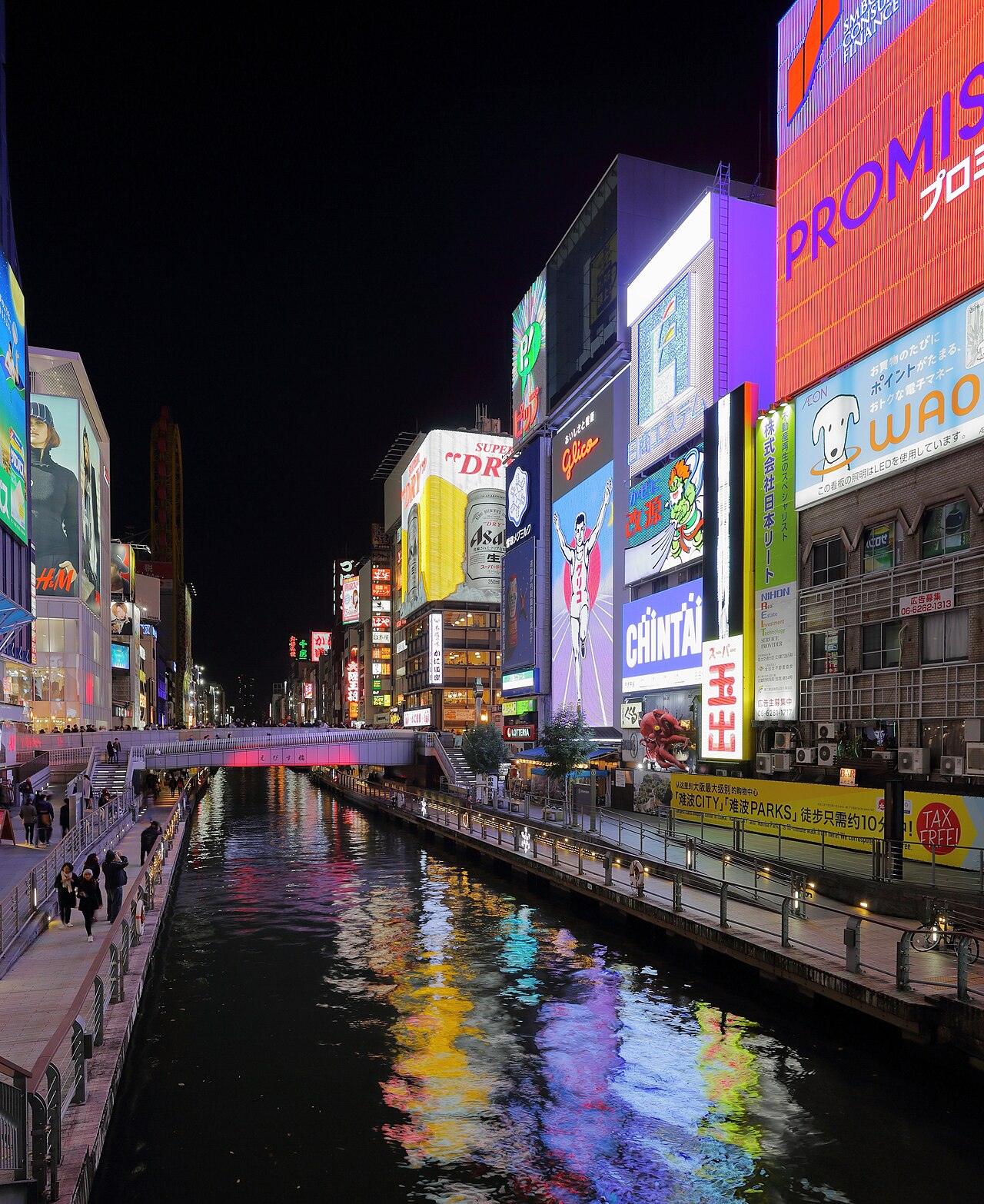
Dotonbori grew up along a canal dug in the early 1600s and has been Osaka’s entertainment district ever since. Today it is a strip of oversized signs (a giant moving crab, a pufferfish lantern, the Glico Running Man that has hung here in some form since 1935) and the best place in the city to graze on street food.
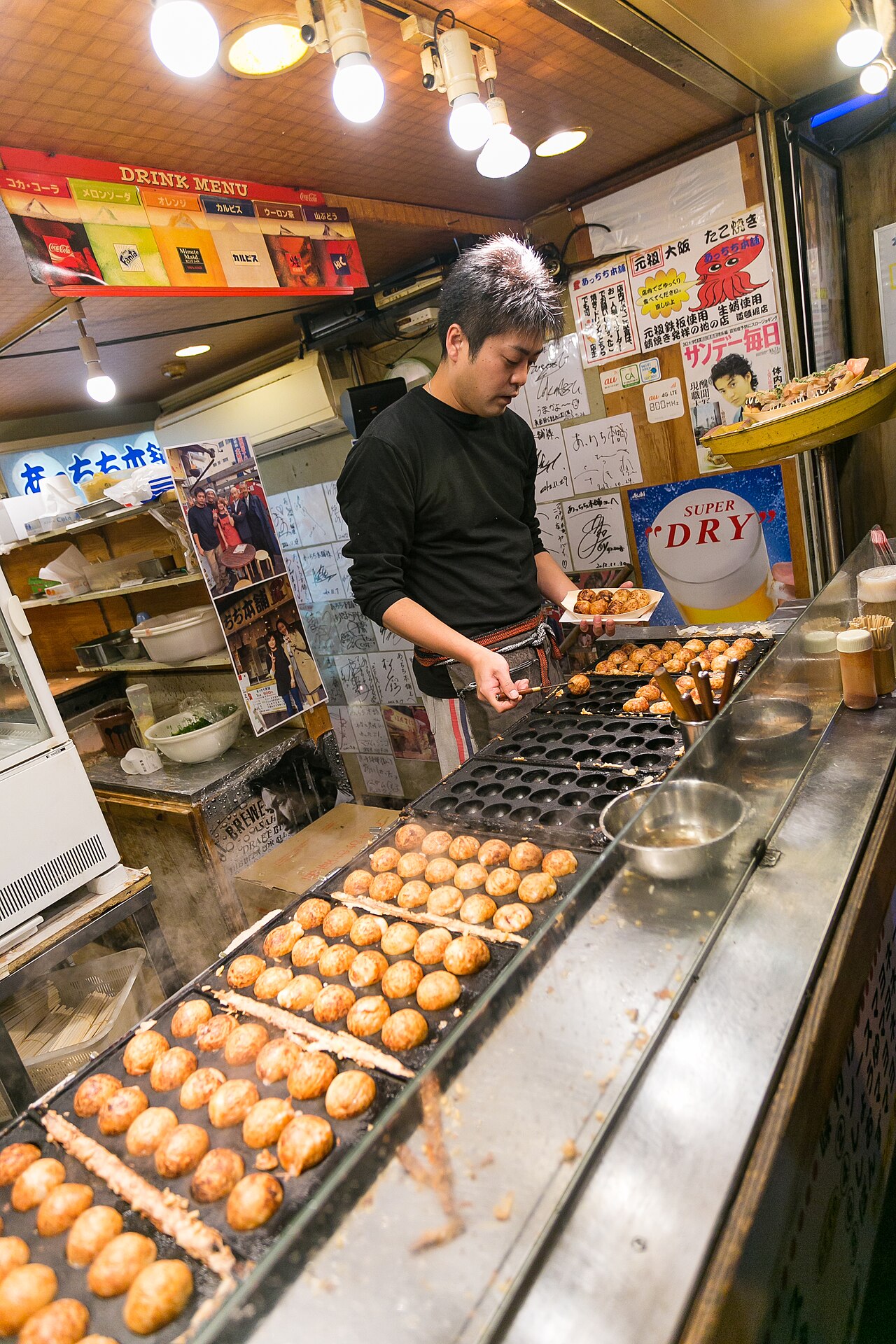
What to eat here: takoyaki from a stall with a queue, okonomiyaki cooked at your table, and gyoza or ramen in the side streets.
Getting a different view: the Tombori River Cruise runs short loops along the canal, which is a good way to see the signs without the crowds on the bridge.
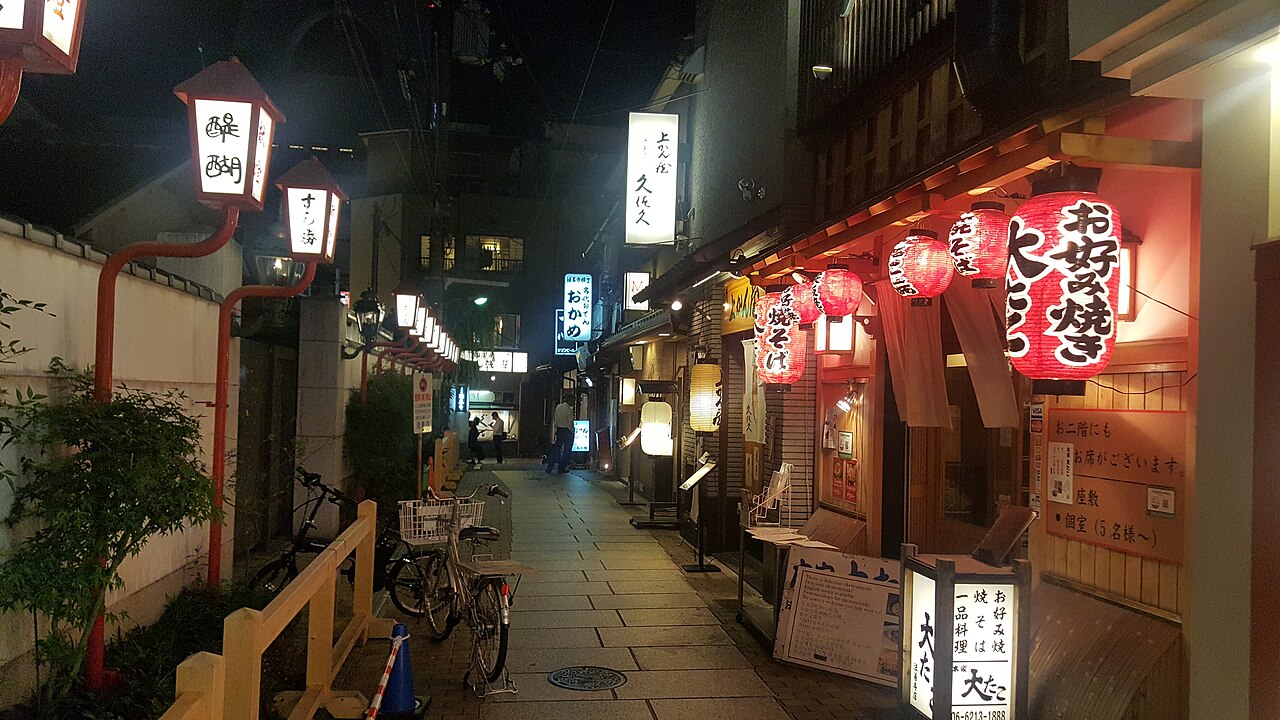
Don’t miss Hozenji Yokocho, two minutes south of the canal. This narrow stone-paved alley of small restaurants leads to Hozenji Temple, where locals splash water on the moss-covered Mizukake Fudo statue to make a wish. It feels like a different city from the neon outside.
Best time: after dark, when the signs are lit. Go before 7 pm or after 9 pm to avoid the worst crowds on Ebisubashi Bridge.
🎥 Watch the Visual Guide Here: Osaka Night Walk in Dotonbori, Japan: 4K HDR Walking Tour
3. Kuromon Ichiba Market
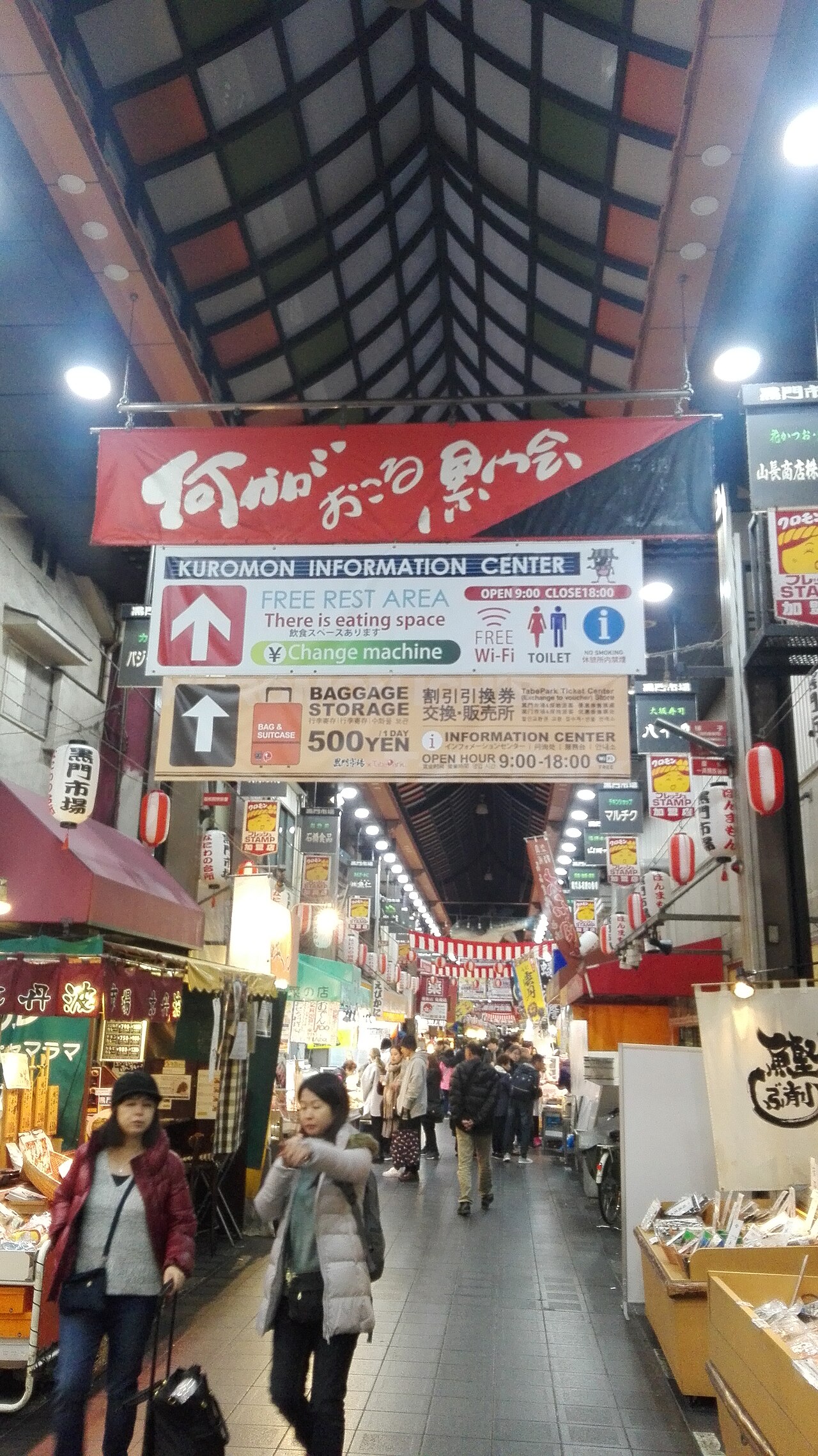
Kuromon Market, nicknamed “Osaka’s kitchen”, is a covered street of around 150 shops running for about 580 metres. Stalls sell grilled scallops, wagyu skewers, sea urchin, fresh fruit and tamagoyaki, often with a small seating area at the back.
Honest note: prices are now aimed at tourists, and a few skewers can cost as much as a restaurant meal. Treat it as a fun snacking walk rather than a cheap one. Go late morning, since many stalls close by early evening, and bring cash.
4. Shinsekai and Tsutenkaku Tower
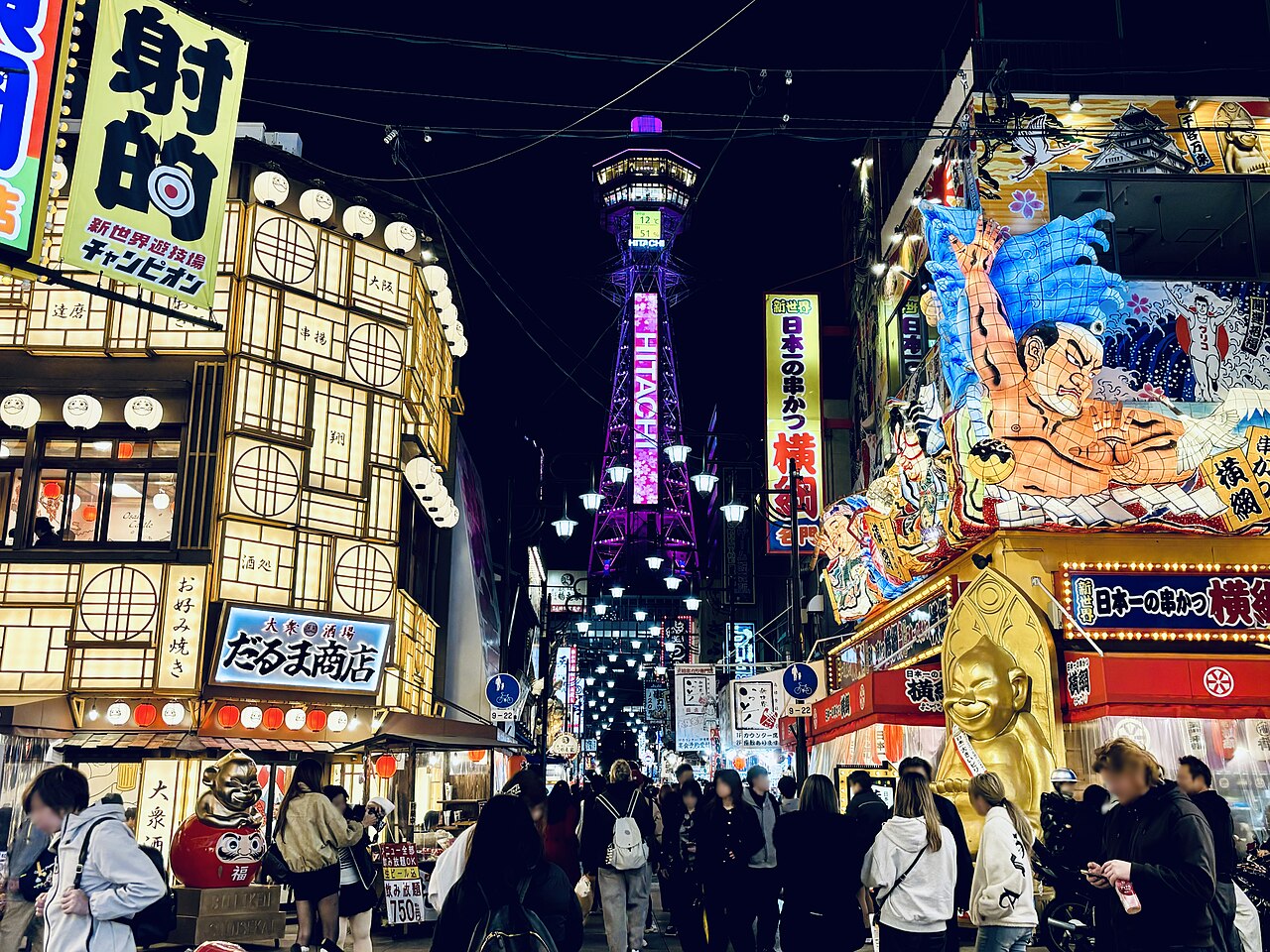
Shinsekai (“New World”) was laid out in 1912, inspired by Paris and New York’s Coney Island. It never became the glamorous district it was meant to be, and that is exactly its charm: a slightly rough, very photogenic neighbourhood of old signs, pachinko parlours and cheap restaurants.
- Tsutenkaku Tower: the current 103-metre tower dates from 1956. Inside, rub the soles of the feet of Billiken, the “god of things as they ought to be”, for luck. Thrill-seekers can ride the Tower Slider, a tube slide down the outside of the tower.
- Kushikatsu: deep-fried skewers of meat and vegetables, invented in this area. The one rule: no double dipping in the shared sauce.
5. Umeda Sky Building
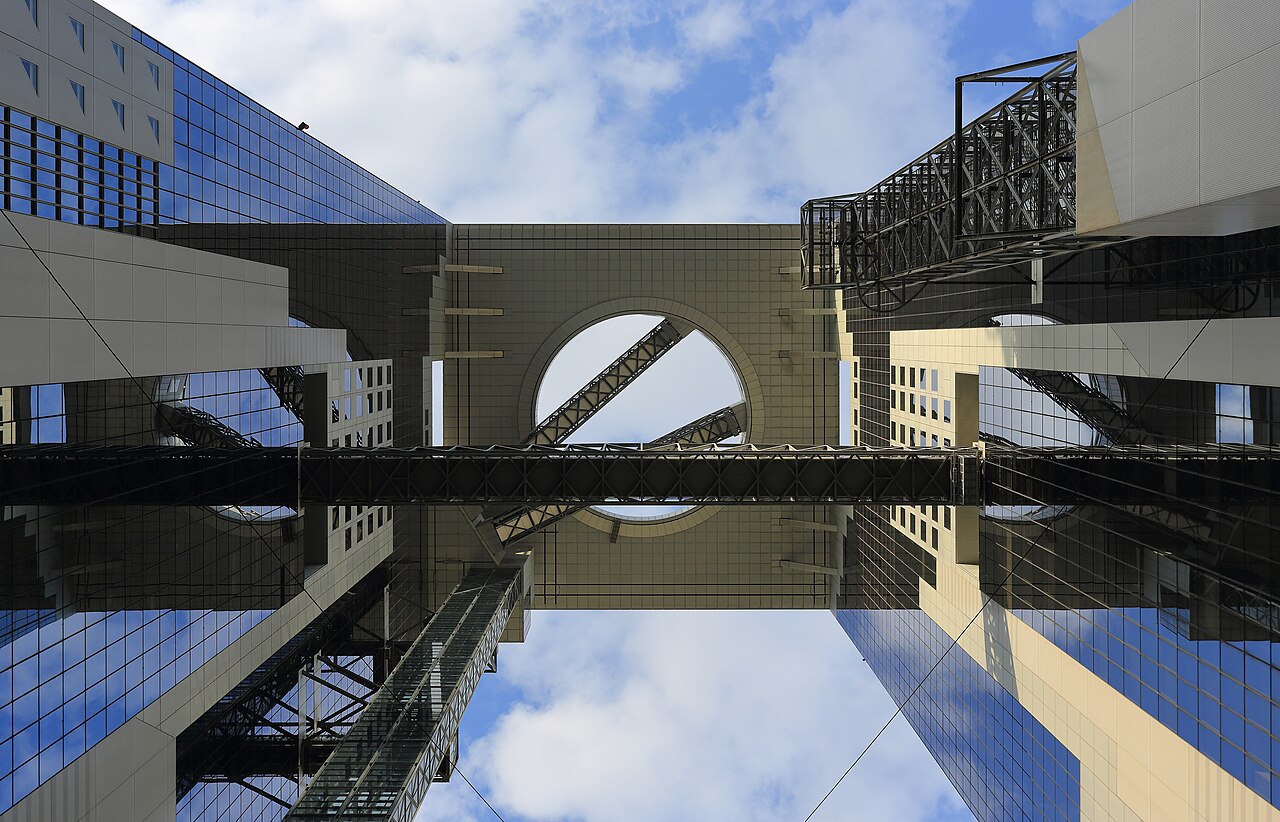
Completed in 1993, the 173-metre Umeda Sky Building is two towers joined at the top by the Floating Garden Observatory. You ride a glass-tube escalator across the gap between the towers, then walk out onto an open-air rooftop with views across the city and the Yodo River.
Best time: about 30 minutes before sunset, so you see the city in daylight and after dark. In the basement, the Takimi Koji food street recreates an early 20th-century Osaka street, with cheap okonomiyaki and kushikatsu. It is a 10-minute walk from JR Osaka Station.
6. Abeno Harukas
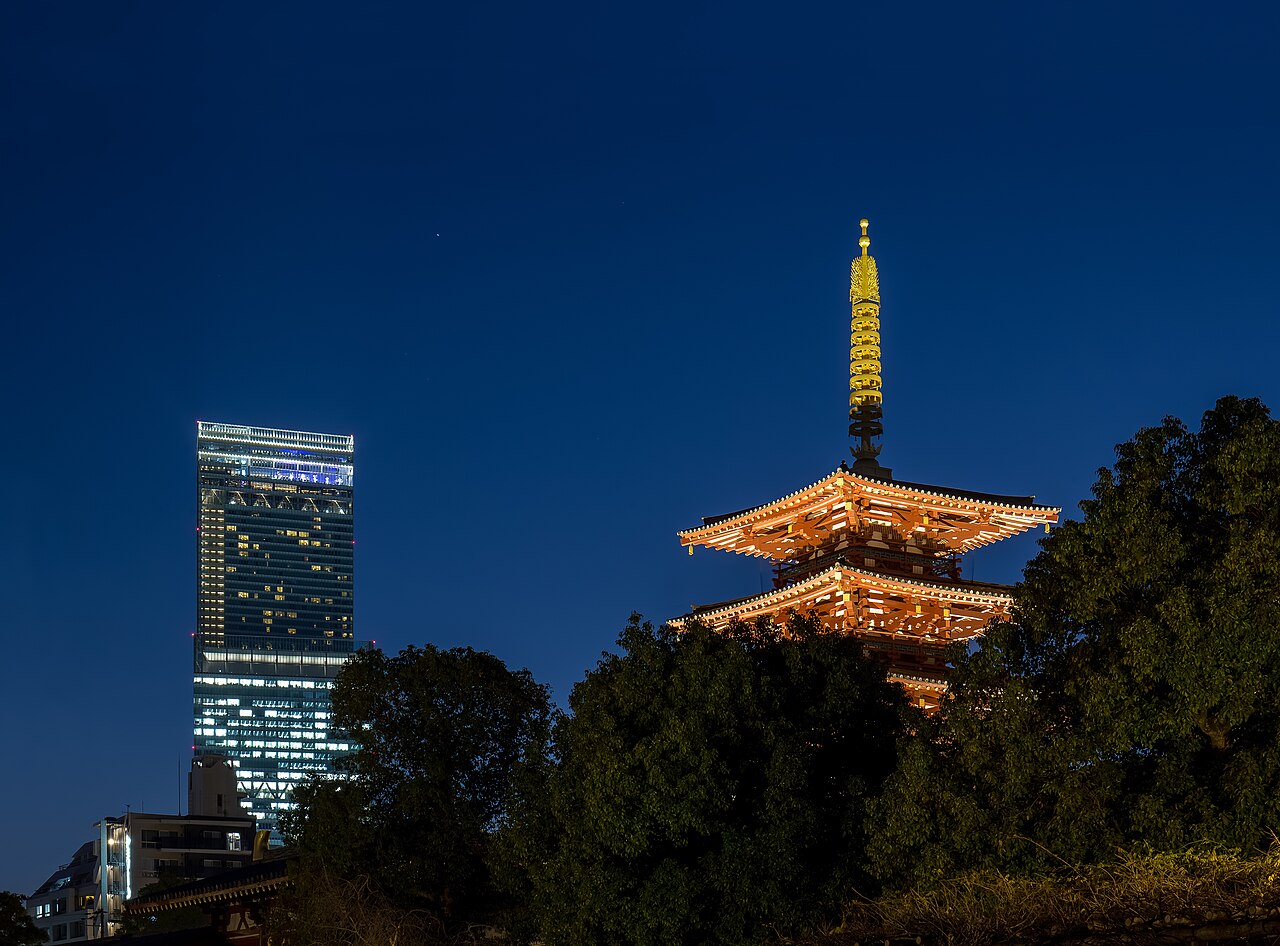
At 300 metres, Abeno Harukas was Japan’s tallest building from its opening in 2014 until Tokyo’s Azabudai Hills Mori JP Tower overtook it in 2023, and it is still the tallest in western Japan. The Harukas 300 observatory on floors 58 to 60 has floor-to-ceiling windows in every direction, and on clear days you can see Kyoto, Kobe and Awaji Island. It sits directly above Tennoji Station, so it is easy to combine with Shinsekai and Shitennoji on the same afternoon.
7. Shitennoji Temple
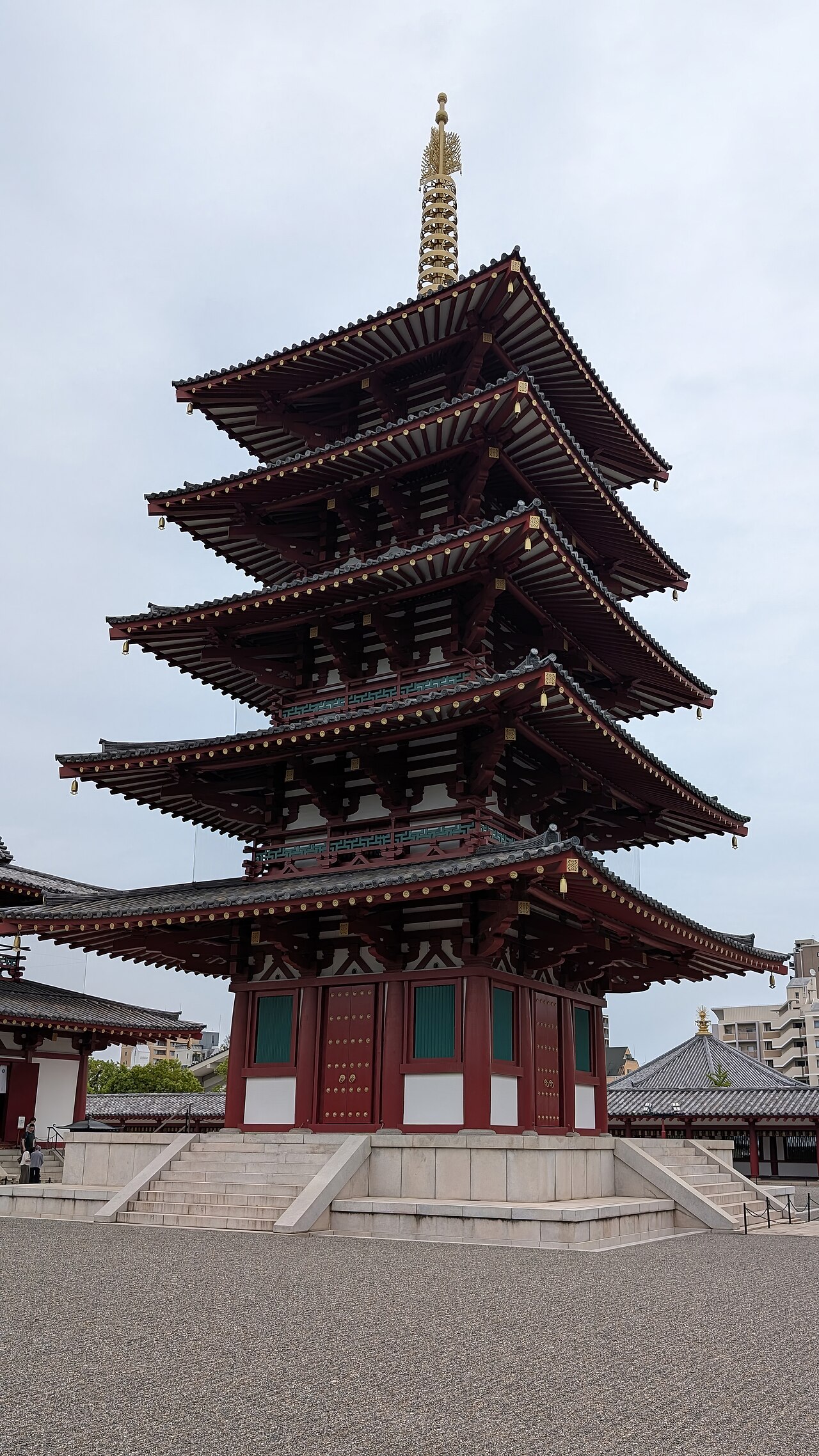
Founded in 593 by Prince Shotoku, Shitennoji is regarded as Japan’s oldest officially administered Buddhist temple. Its buildings have been rebuilt many times (the current ones are post-war reconstructions), but they follow the original layout, with the gate, pagoda and main hall in one straight line.
Visit on the 21st or 22nd of the month for the big temple market, with stalls selling antiques, old kimono, ceramics and food.
8. Sumiyoshi Taisha
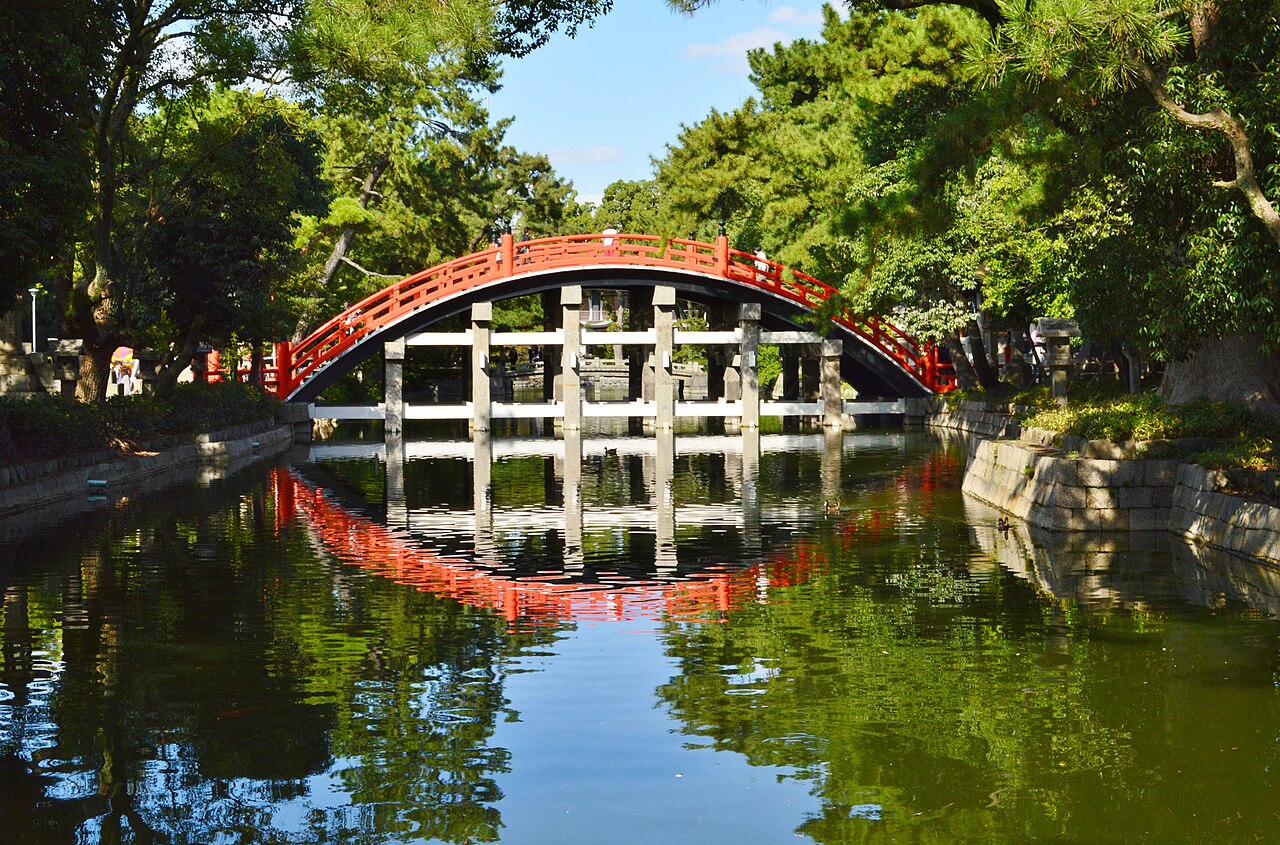
Sumiyoshi Taisha is the head shrine of around 2,300 Sumiyoshi shrines across Japan and, according to tradition, dates back to the 3rd century. Its main halls are built in the Sumiyoshi-zukuri style, one of the oldest forms of shrine architecture, with straight roofs and no Chinese influence.
The steep red Sorihashi bridge at the entrance is the classic photo. The shrine is quiet on weekdays and packed at New Year, when it draws more than two million visitors. Take the Nankai Line to Sumiyoshitaisha Station, or ride the old-fashioned Hankai tram, which stops right outside.
9. Universal Studios Japan
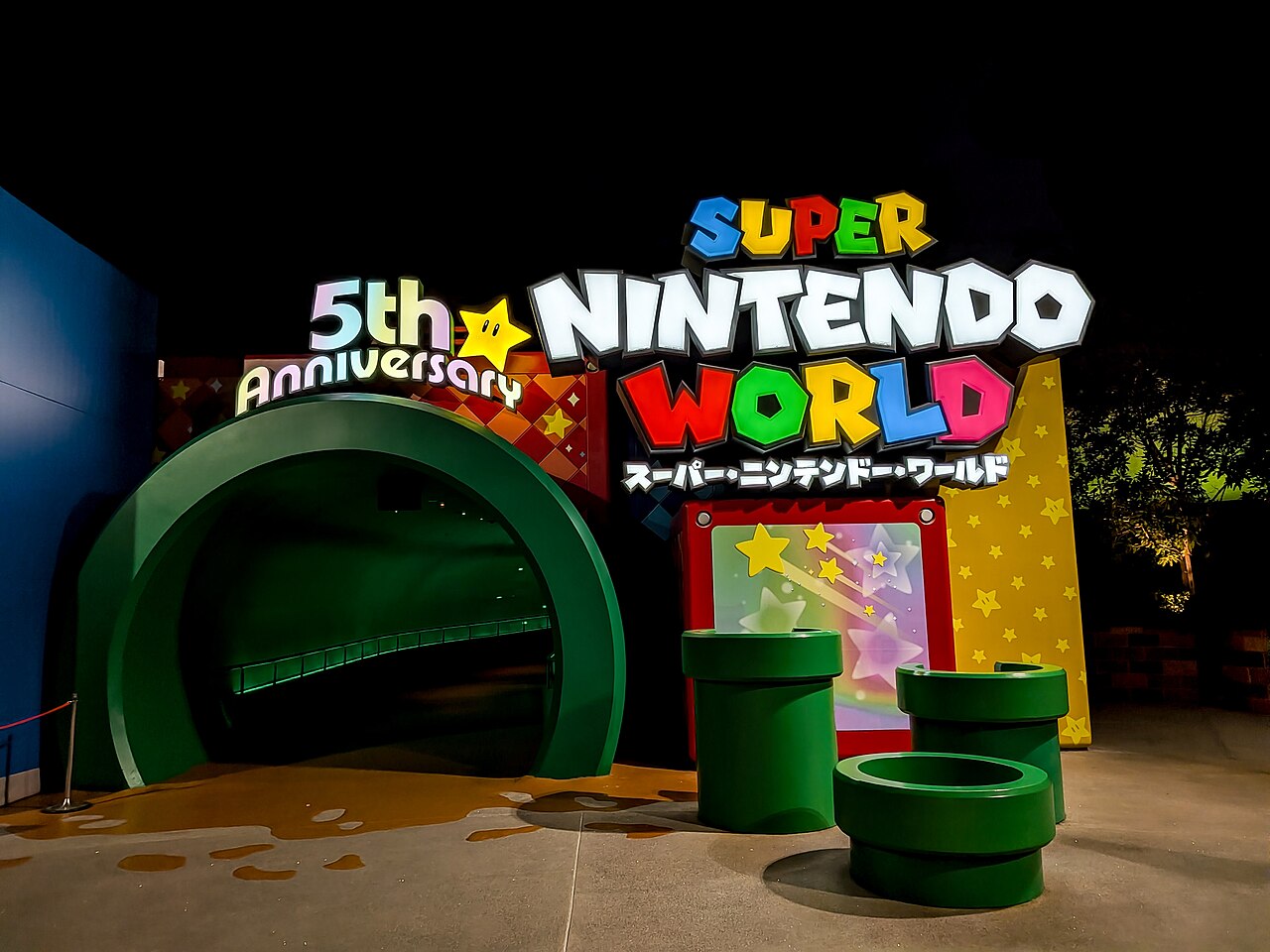
USJ is the big reason many families choose Osaka. The main draws are Super Nintendo World (opened in 2021, with Donkey Kong Country added in December 2024) and the Wizarding World of Harry Potter.
- Tickets: prices change by date, so buy online in advance. Weekdays outside school holidays are noticeably quieter.
- Super Nintendo World entry: on busy days you need a timed entry ticket, booked in the official app after you enter the park, or included with some Express Passes.
- Getting there: about 15 minutes from JR Osaka Station to Universal City on the JR Yumesaki Line, which the JR Pass covers.
10. Osaka Aquarium Kaiyukan
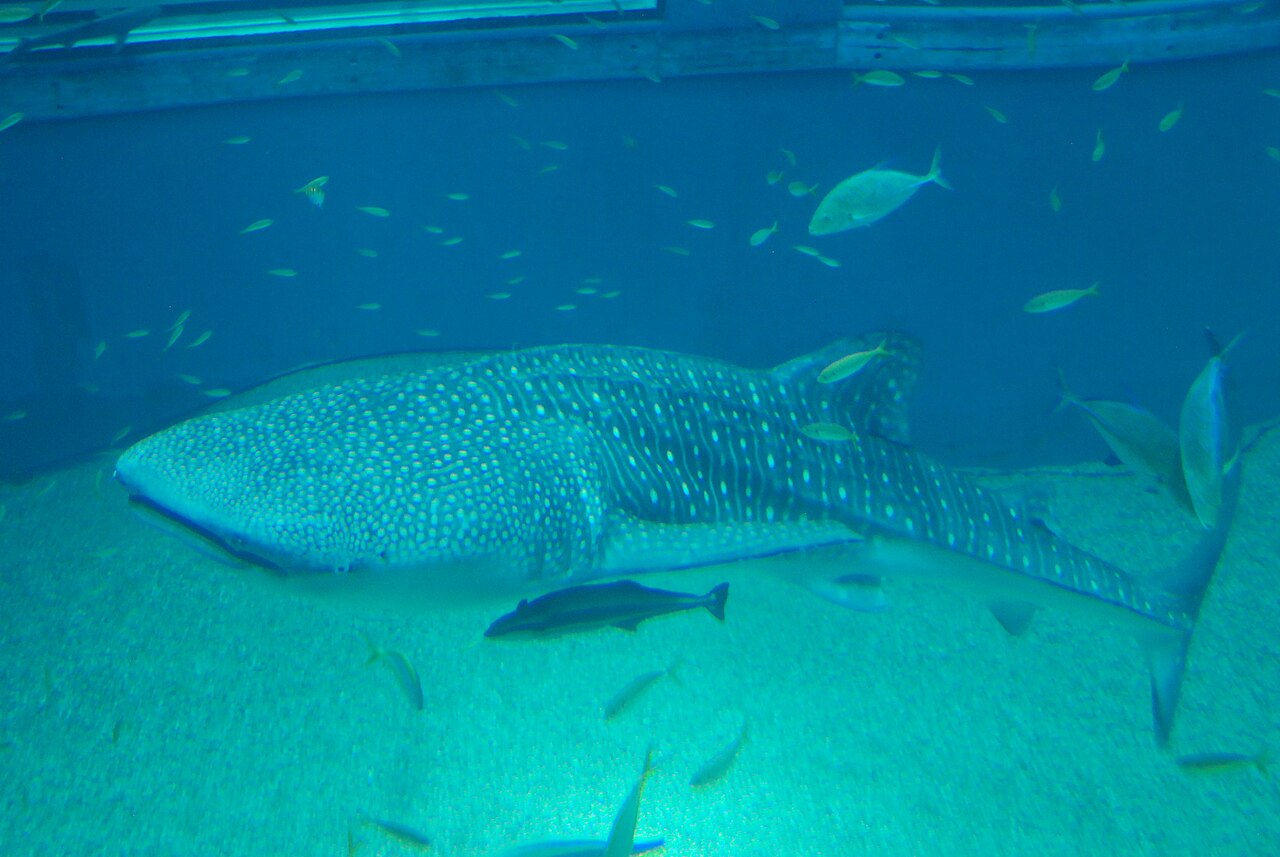
Kaiyukan is one of the largest aquariums in the world. You start at the top floor and spiral down around a central tank representing the Pacific Ocean, home to whale sharks and manta rays, passing smaller tanks for each region of the Pacific Rim. Allow 2 to 3 hours, and pair it with the Tempozan Ferris Wheel next door. It is a 5-minute walk from Osakako Station on the Chuo Line.
11. Namba Yasaka Shrine
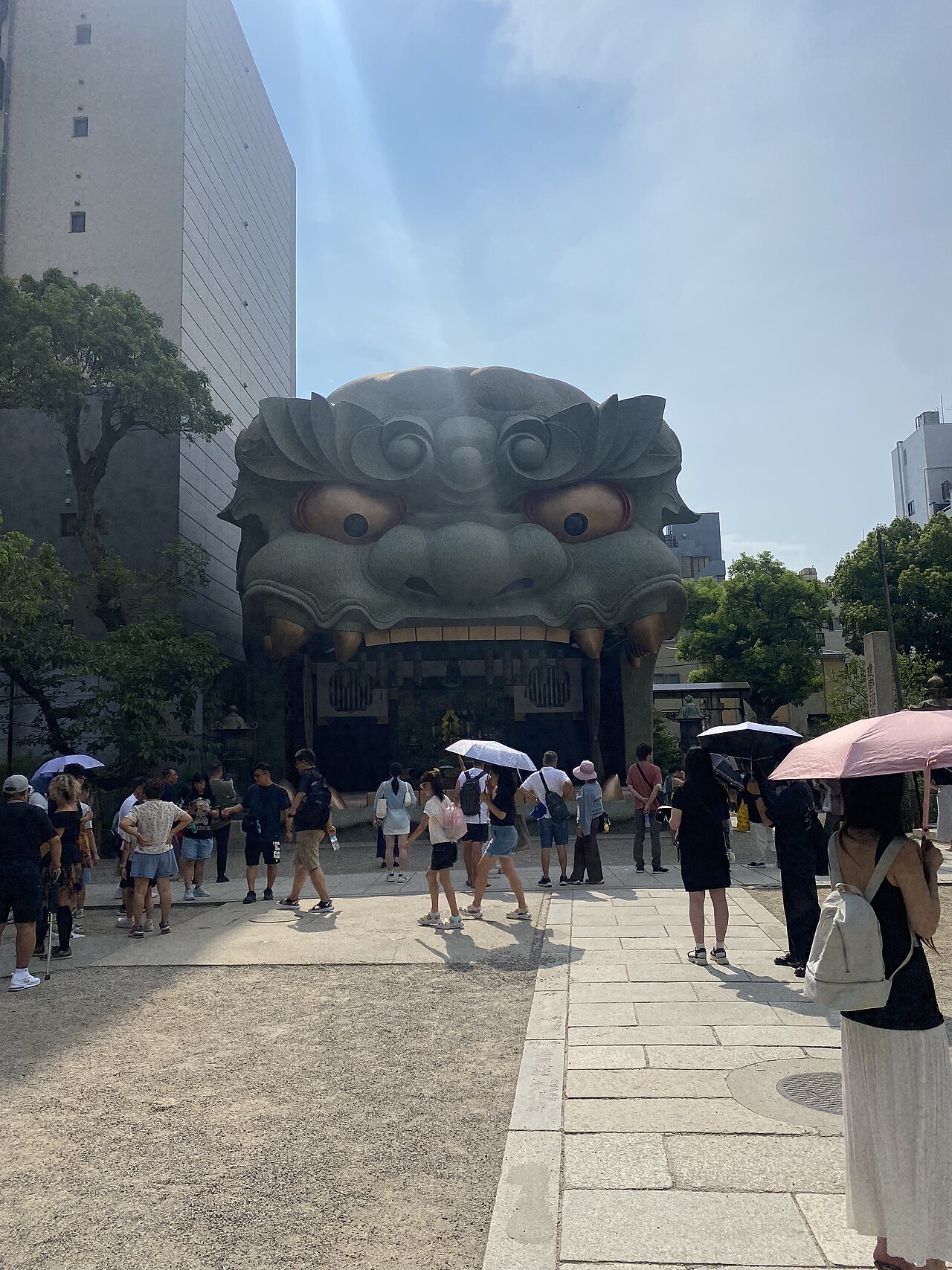
This small neighbourhood shrine, a 10-minute walk from Namba, is famous for one thing: a 12-metre-tall lion head with its mouth wide open. The lion is said to swallow evil spirits and bring luck, especially for students and businesses. It only takes 20 minutes, which makes it an easy add-on to a Dotonbori evening.
12. Nakanoshima
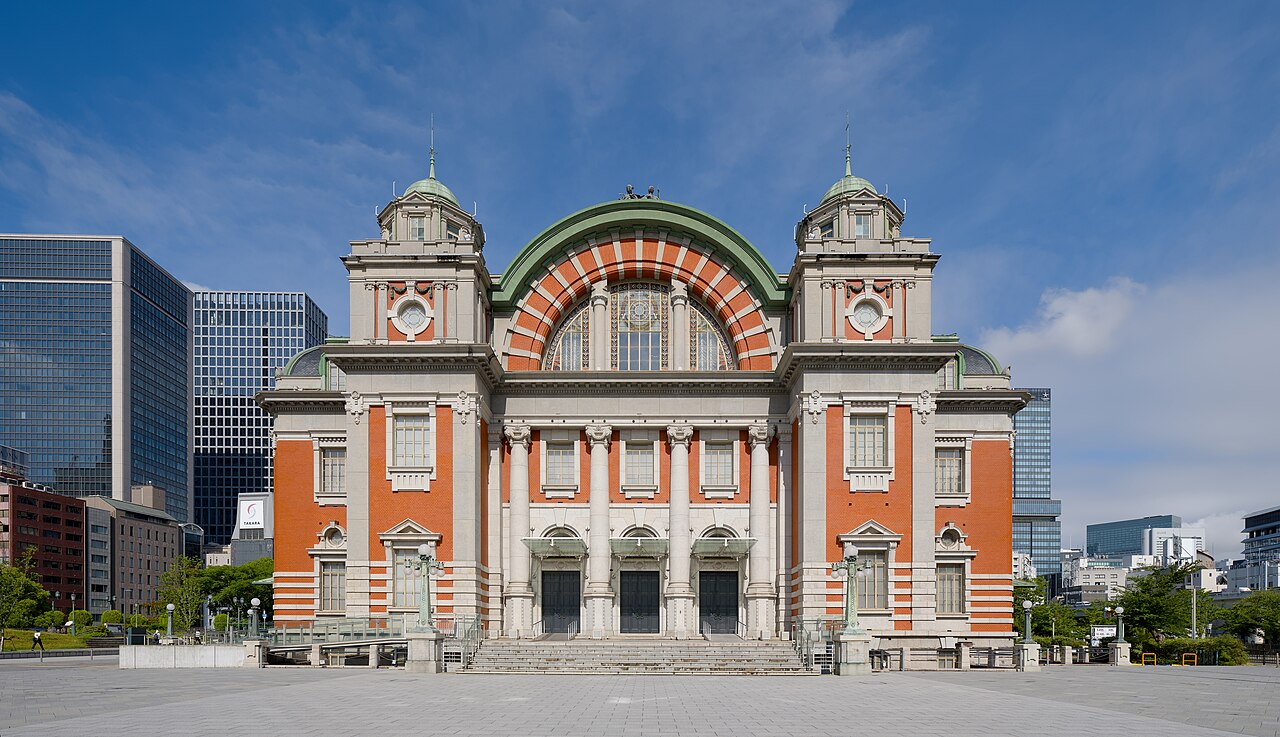
Nakanoshima is a long, narrow island between two rivers in the middle of the city, and the calmest part of central Osaka. The red-brick Osaka City Central Public Hall (1918) is its landmark, and the island also holds the Nakanoshima Museum of Art and the National Museum of Art, Osaka. Nakanoshima Park’s rose garden blooms in mid-May and again in October. It is a good place to slow down between busier sights.
3-Day Osaka Itinerary
| Day | Morning | Afternoon | Evening |
|---|---|---|---|
| Day 1: Classic Osaka | Osaka Castle at opening time | Nakanoshima walk, then Kuromon Market | Dotonbori, Hozenji Yokocho and Namba Yasaka |
| Day 2: South Osaka | Sumiyoshi Taisha by Hankai tram | Shitennoji and Abeno Harukas | Kushikatsu dinner in Shinsekai |
| Day 3: Fun day | Universal Studios Japan (full day) or Kaiyukan | (continued) | Umeda Sky Building at sunset |
With a fourth day, add a day trip from the table below.
🎥 Watch the Visual Guide Here: Ultimate 4 day Osaka Travel Guide For FIRST-timers! (2026)
What to Eat in Osaka
| Dish | What it is | Where to try it |
|---|---|---|
| Takoyaki | Batter balls with octopus, topped with sauce and bonito flakes | Dotonbori stalls |
| Okonomiyaki | Savoury cabbage pancake, cooked on a hotplate | Dotonbori, Takimi Koji |
| Kushikatsu | Deep-fried skewers with dipping sauce | Shinsekai |
| Kitsune udon | Udon with sweet fried tofu, created in Osaka | Any udon shop |
| 551 Horai butaman | Pork buns sold at stations across the city | Namba, Shin-Osaka Station |
Where to Stay in Osaka
| Area | Good for | Watch out for |
|---|---|---|
| Namba / Shinsaibashi | Food, nightlife, first-timers | Noisy at night |
| Umeda (Osaka Station) | Day trips, JR Pass users, airport trains | Station complex is confusing at first |
| Shin-Osaka | Early shinkansen departures | Little to do in the evening |
| Tennoji | Budget hotels, south Osaka sights | Further from Umeda |
Getting Around Osaka
- IC card: an ICOCA card (or Suica or PASMO from Tokyo) works on almost all trains, subways and buses. Many Osaka Metro gates also accept contactless credit cards.
- Osaka Metro: the Midosuji Line (red) links Shin-Osaka, Umeda, Namba and Tennoji, which covers most of this list.
- JR Osaka Loop Line: useful for Osaka Castle, Tennoji and the connection to USJ. If you are travelling across Japan, read whether the JR Pass pays off for a Kansai trip before you buy one.
- Osaka Amazing Pass: ¥3,500 for one day or ¥5,000 for two. It includes unlimited Osaka Metro and city buses plus free entry to more than 40 attractions, so it pays off if you plan to visit three or four paid sights in a day.
Best Day Trips from Osaka
| Destination | Travel time | Why go |
|---|---|---|
| Kyoto | 15 minutes by shinkansen from Shin-Osaka, about 30 minutes by JR Special Rapid | Temples, Gion, Arashiyama |
| Nara | About 45 minutes by JR or Kintetsu | Todaiji’s Great Buddha, deer park |
| Kobe | About 25 minutes by JR Special Rapid | Harbour, Kobe beef, Kitano district |
| Himeji | About 1 hour by JR Special Rapid | Japan’s finest original castle |
| Kinosaki Onsen | About 2 h 40 min by limited express | Seven public hot spring baths |
| Koyasan | About 2 hours by Nankai | Temple stays in the mountains |
For an overnight trip, Kinosaki Onsen, a hot spring town 2.5 hours north, is the most rewarding: you stroll between seven public baths in a yukata and stay in a traditional ryokan.
Best Time to Visit Osaka
- Spring (late March to early April): cherry blossoms at Osaka Castle and along the Okawa River. Book early.
- Summer (July to August): hot and humid, but it is festival season. The highlight is the Tenjin Matsuri on 24–25 July, with boats and fireworks on the river. See our guide to Tenjin Matsuri and other summer festivals.
- Autumn (October to November): comfortable temperatures and autumn colours at Minoo Park and Osaka Castle.
- Winter (December to February): cold but dry, with illuminations in Nakanoshima and Midosuji.
For a season-by-season breakdown, read our guide to the best months to visit Osaka and the rest of Japan.
Osaka FAQ
How many days do you need in Osaka?
Three days covers the main sights in this guide. Add a fourth day for USJ or a day trip to Nara, Kobe or Himeji.
Is Osaka better than Kyoto as a base?
For many visitors, yes. Osaka has more hotels at lower prices, better nightlife and fast trains to Kyoto, Nara and Kobe.
Is the Osaka Amazing Pass worth it?
It is worth it if you visit three or four paid attractions in one day, such as the Osaka Castle tower and observatories, and ride the subway several times. For a relaxed day of food and walking, an IC card is cheaper.
What is Osaka famous for?
Food above all, especially takoyaki, okonomiyaki and kushikatsu, plus Osaka Castle, Dotonbori’s neon signs and Universal Studios Japan.
How do I get from Kansai Airport to Osaka?
Take the Nankai Rapi:t to Namba (about 40 minutes) or the JR Haruka to Tennoji and Shin-Osaka. The JR Pass covers the Haruka.
Sources checked: Osaka Castle Main Tower official site, Osaka Amazing Pass official site, Osaka Info (official Osaka tourism site). Prices and opening hours can change, so check before you go.