
Best Ski Resorts in Japan: 8 Top Picks for Powder (2026–27 Guide)
Last updated: 4 October 2026, for the 2026–27 ski season.
The short answer: for the deepest, driest powder, go to Niseko or Rusutsu in Hokkaido. For big mountains within reach of Tokyo, choose Hakuba Valley or Shiga Kogen in Nagano. For a ski trip that also feels like old Japan, pick Nozawa Onsen. If you only have a day, GALA Yuzawa has its own Shinkansen station about 75 minutes from Tokyo.
Japan gets so much snow because cold winds from Siberia pick up moisture over the Sea of Japan and dump it on the mountains as light, dry flakes. Resorts in Hokkaido and on the Sea of Japan side of Honshu regularly see 10 to 15 metres of snowfall a season. This guide compares eight resorts that are easy for international visitors to reach, with access times, who each one suits and practical tips on passes, gear and onsen.
Japan’s Best Ski Resorts at a Glance
| Resort | Region | Best for | Getting there | Season (typical) |
|---|---|---|---|---|
| Niseko United | Hokkaido | Powder, nightlife, English services | 2–2.5 hrs by bus from New Chitose Airport | Late Nov to early May |
| Rusutsu | Hokkaido | Tree runs, fewer crowds | About 2 hrs by bus from New Chitose Airport | Late Nov to early Apr |
| Furano | Hokkaido | Dry snow, families, quiet town | About 1 hr by bus from Asahikawa Airport | Late Nov to early May |
| Hakuba Valley | Nagano | Big terrain, variety, Alps views | Shinkansen to Nagano + 70 min bus | Dec to early May |
| Nozawa Onsen | Nagano | Onsen village, culture | Shinkansen to Iiyama + 25 min bus | Dec to early May |
| Shiga Kogen | Nagano | Huge lift network, high altitude | Shinkansen to Nagano + 70 min bus | Late Nov to early May |
| Zao Onsen | Yamagata | Snow monsters, sulphur onsen | Shinkansen to Yamagata + 40 min bus | Dec to early May |
| GALA Yuzawa | Niigata | Day trips from Tokyo | Shinkansen direct, about 75 min | Mid-Dec to early May |
Snow is most reliable from mid-January to late February. December can be thin on lower slopes, and spring skiing in March and April is sunnier but heavier. For how the ski season fits with the rest of the calendar, see our guide to when the powder season peaks.
🎥 Watch the Visual Guide Here: Top 5 Ski Resorts in Japan
Hokkaido: The Powder Capital
Hokkaido is Japan’s northernmost main island and has the coldest, driest snow. Most visitors fly into New Chitose Airport near Sapporo, then take a resort bus or rent a car with winter tyres.
1. Niseko United
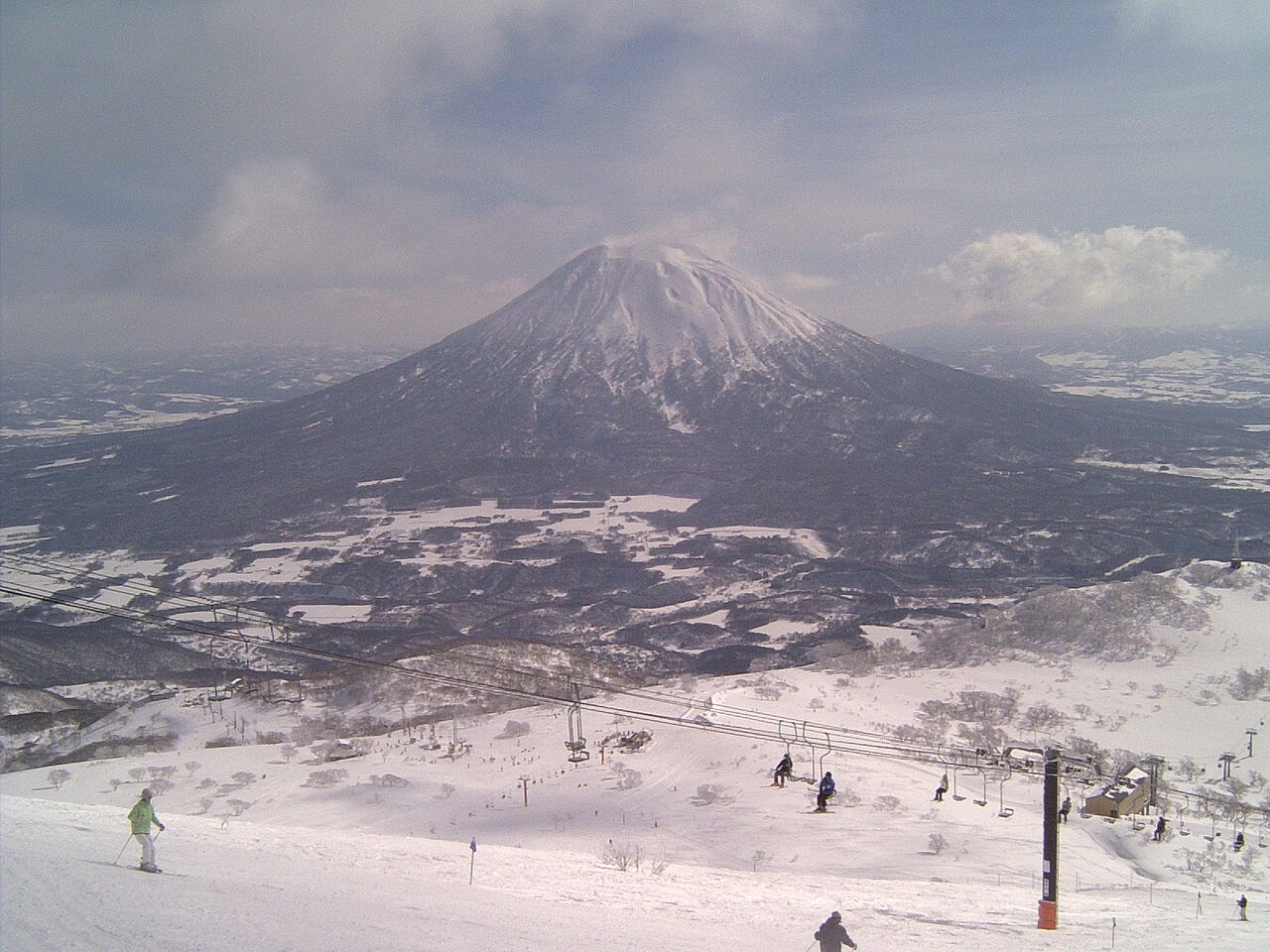
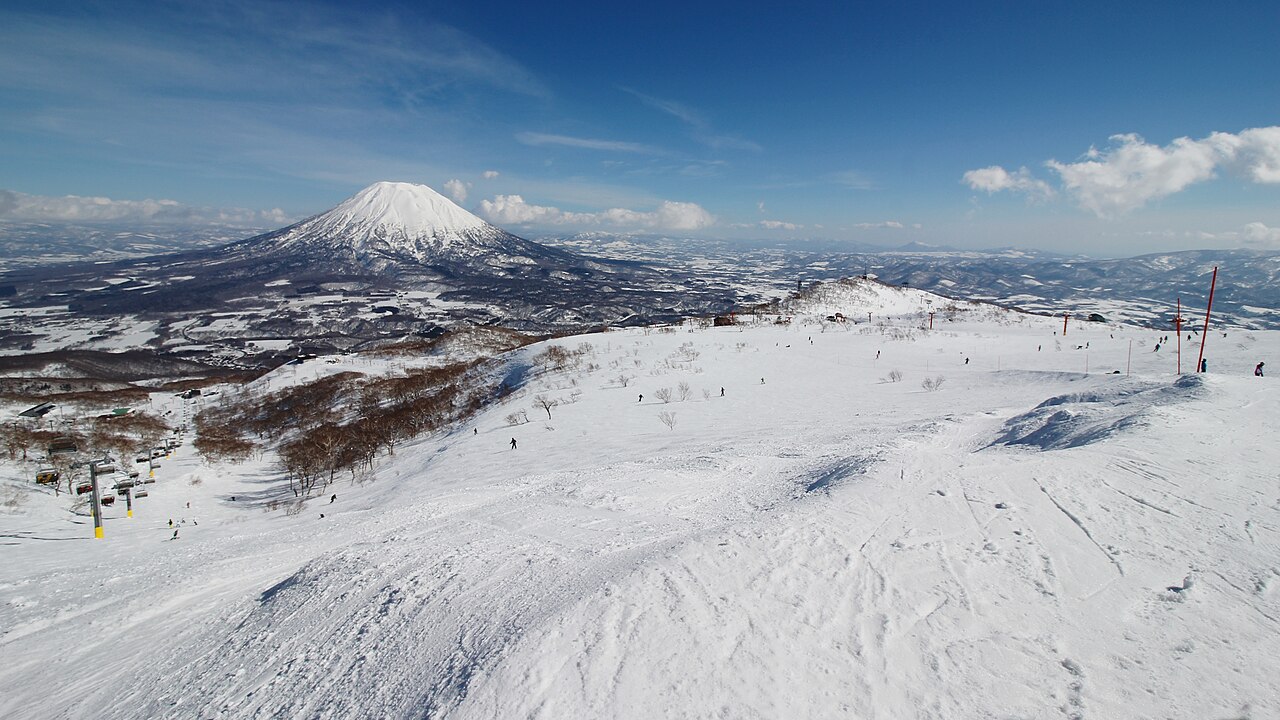
Niseko United is four linked resorts on one mountain, Niseko Annupuri: Grand Hirafu, Hanazono, Niseko Village and Annupuri. A single all-mountain pass covers all four, and on clear days you ski with the near-perfect cone of Mount Yotei across the valley.
- Why go: consistent powder, night skiing on lit runs at Grand Hirafu, and the most English-friendly ski town in Japan.
- Backcountry: off-piste is only allowed through the marked gates under the Niseko Rules. Gates close when avalanche risk is high, and riding outside them is dangerous and banned.
- Downside: it is also Japan’s most expensive and international resort. Peak-season lift passes cost well over ¥10,000 a day and accommodation sells out months ahead for Christmas and Chinese New Year.
Tip: if Grand Hirafu is busy, Annupuri on the far side of the mountain is usually quieter and cheaper to stay in.
2. Rusutsu
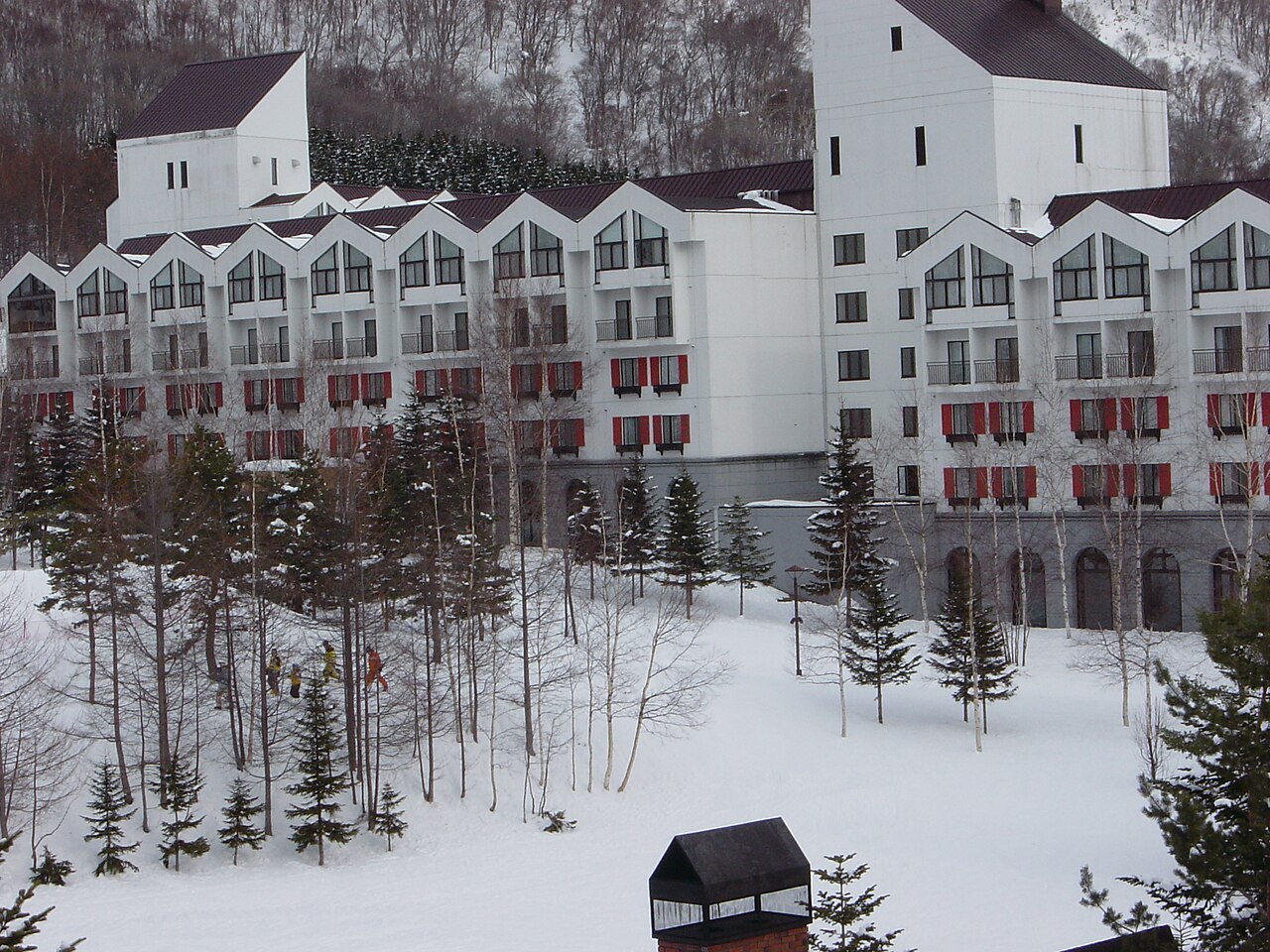
About 40 minutes’ drive from Niseko, Rusutsu spreads across three mountains: West Mountain, East Mountain and Mount Isola. It is famous for well-spaced tree runs that stay soft days after a storm, because there are far fewer people tracking them out.
- Why go: some of the best tree skiing in Japan, short lift queues, and ski-in ski-out stays at the main resort hotel.
- Good to know: Rusutsu is a self-contained resort rather than a town, so dining options outside the resort are limited.
3. Furano
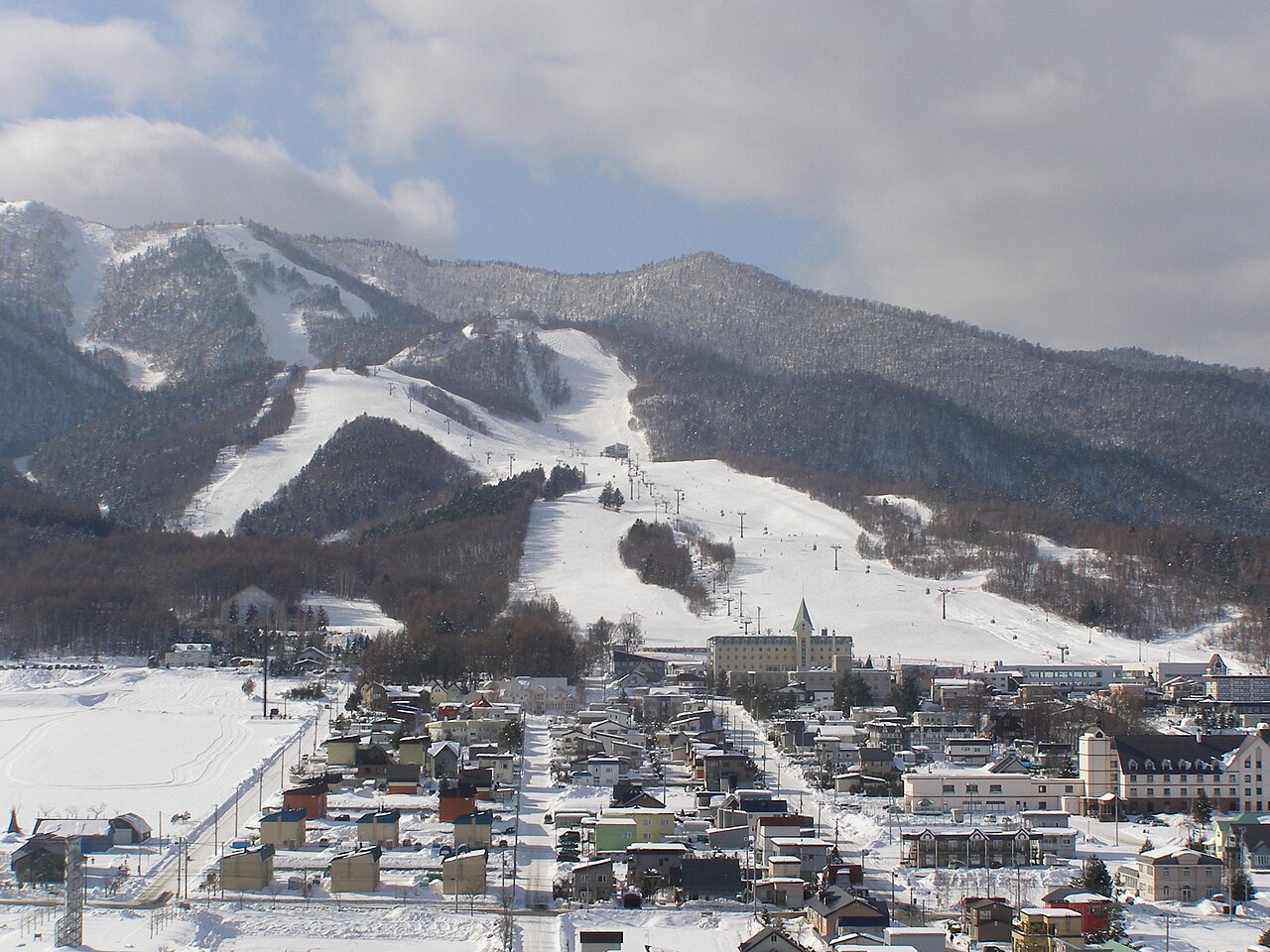
Furano sits in central Hokkaido, inland and colder than Niseko, so the snow is often even lighter. The ski area has two zones, Furano Zone and Kitanomine Zone, with long cruising runs and views over the Tokachi mountain range.
- Why go: dry snow, relaxed atmosphere, good value, and a real farming town with restaurants and izakaya at the base.
- Good to know: Furano is a good base for families and intermediates. Expert terrain is more limited than Niseko or Hakuba.
Nagano and Honshu: Big Mountains Near Tokyo
The resorts in Nagano, Niigata and Yamagata are where you combine skiing with the rest of a Japan trip. Most are reached by Shinkansen from Tokyo plus a short bus ride, so they work well with a rail pass. Read how to ride the Shinkansen with a Japan Rail Pass before you book, because the JR Pass covers the train but not the private resort buses.
4. Hakuba Valley
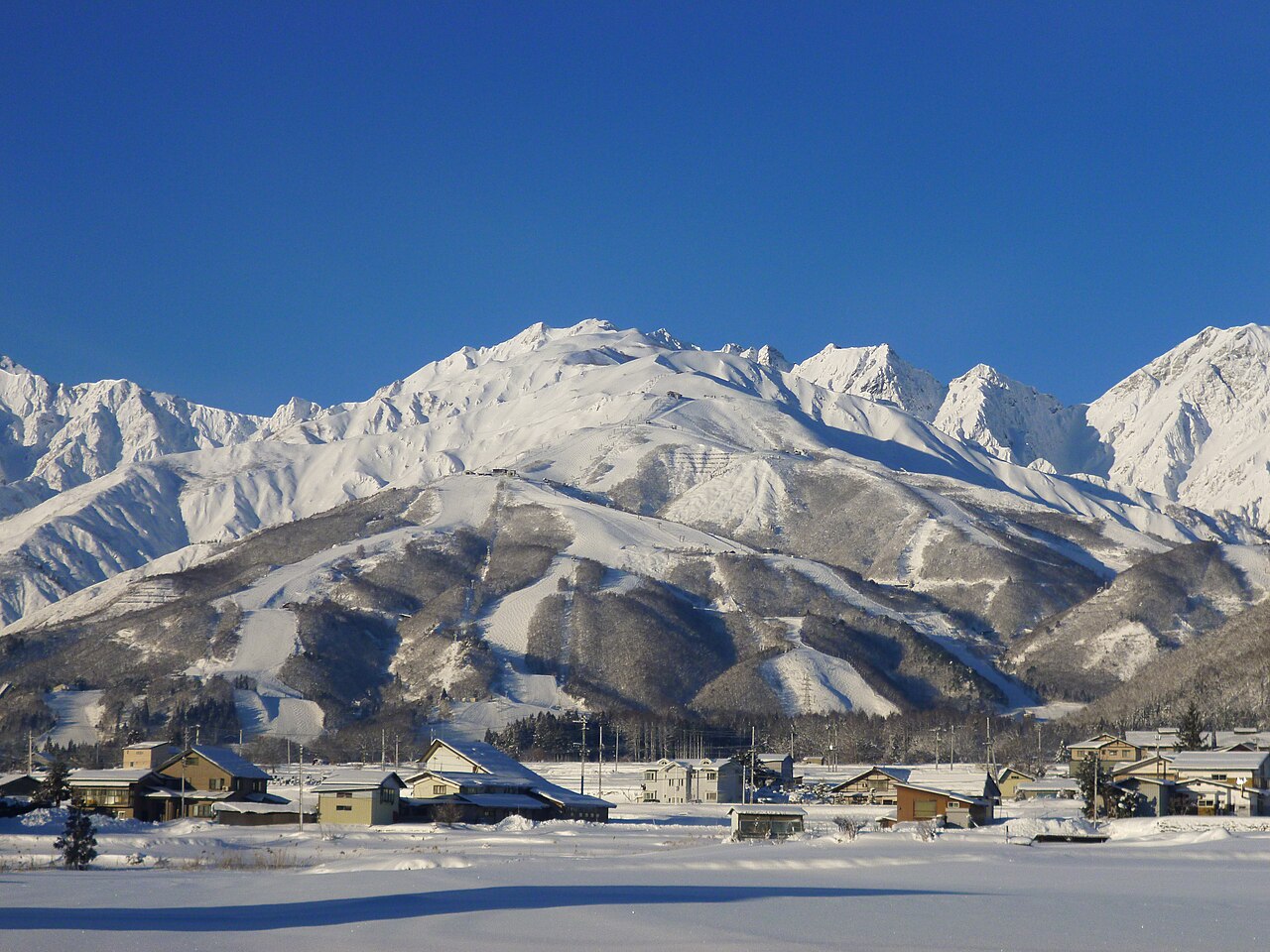
Hakuba Valley is a group of around ten ski resorts in the Northern Japan Alps that hosted the alpine and ski-jumping events of the 1998 Nagano Winter Olympics. Happo-one is the best-known, with long, steep runs and the Olympic downhill course. Goryu and Hakuba47 are linked and good for mixed groups, and Tsugaike Kogen suits beginners.
- Why go: the most varied terrain in Japan, dramatic Alps scenery and a lively village with plenty of English spoken.
- Getting around: the resorts are spread out along the valley. Free shuttle buses link them, and the Hakuba Valley ticket covers every resort.
- Access: Hokuriku Shinkansen from Tokyo to Nagano (about 80 to 100 minutes), then the Alpico express bus to Hakuba (about 70 minutes).
5. Nozawa Onsen
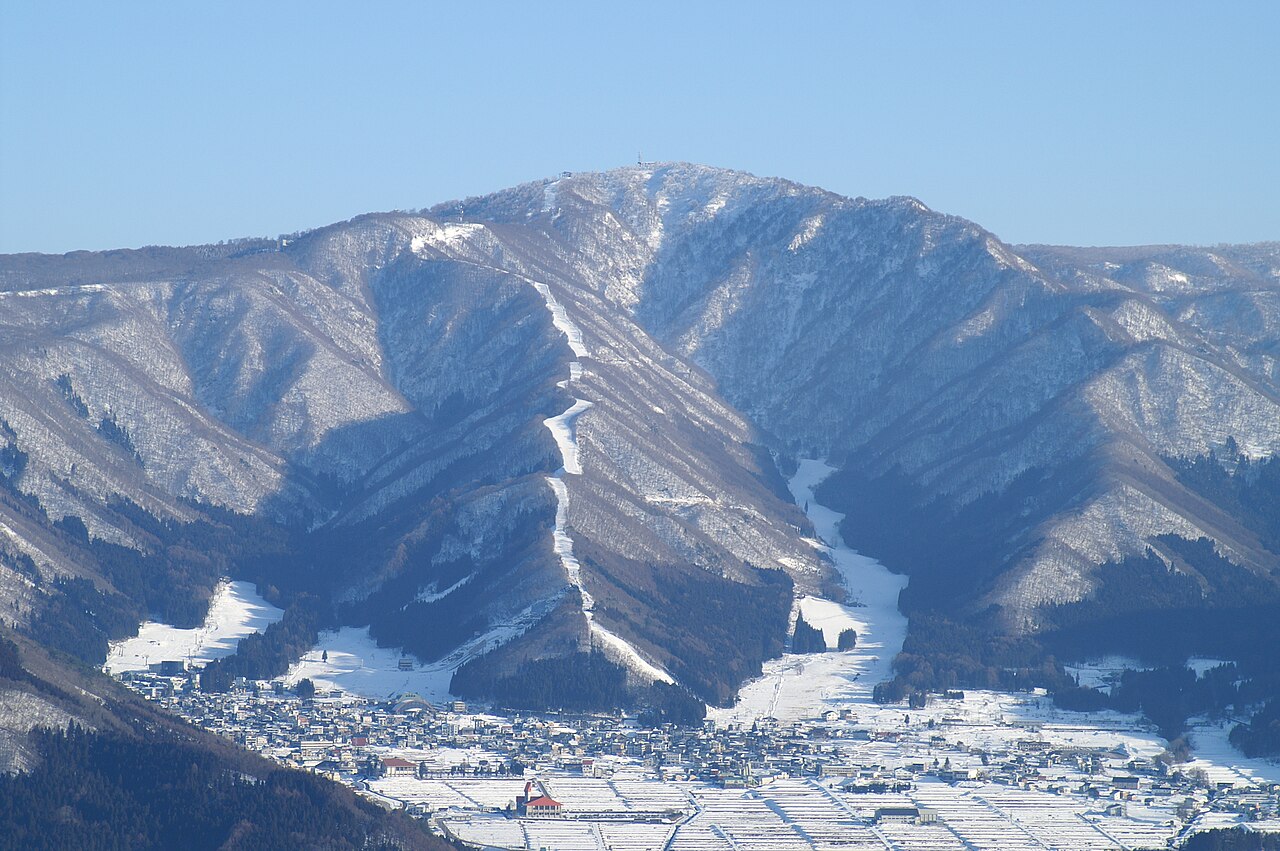
Nozawa Onsen is a real hot spring village with ski runs above it. Narrow streets are lined with ryokan, sake shops and steaming drains, and the village keeps 13 free public bathhouses (soto-yu) that locals still use every day. The most photographed is Oyu, with its wooden temple-style roof.
- Why go: Japanese culture as much as skiing, good snow and a compact, walkable village.
- Festival: on 15 January the village holds the Dosojin Fire Festival, one of Japan’s three great fire festivals, where villagers defend a wooden shrine against burning torches.
- Onsen etiquette: the soto-yu are community-run, so leave a coin in the donation box, wash before getting in and keep towels out of the water.
- Access: Hokuriku Shinkansen from Tokyo to Iiyama (about 1 hr 45 min), then the Nozawa Onsen Liner bus (about 25 minutes).
🎥 Watch the Visual Guide Here: Nozawa Onsen Ski Resort Guide
6. Shiga Kogen
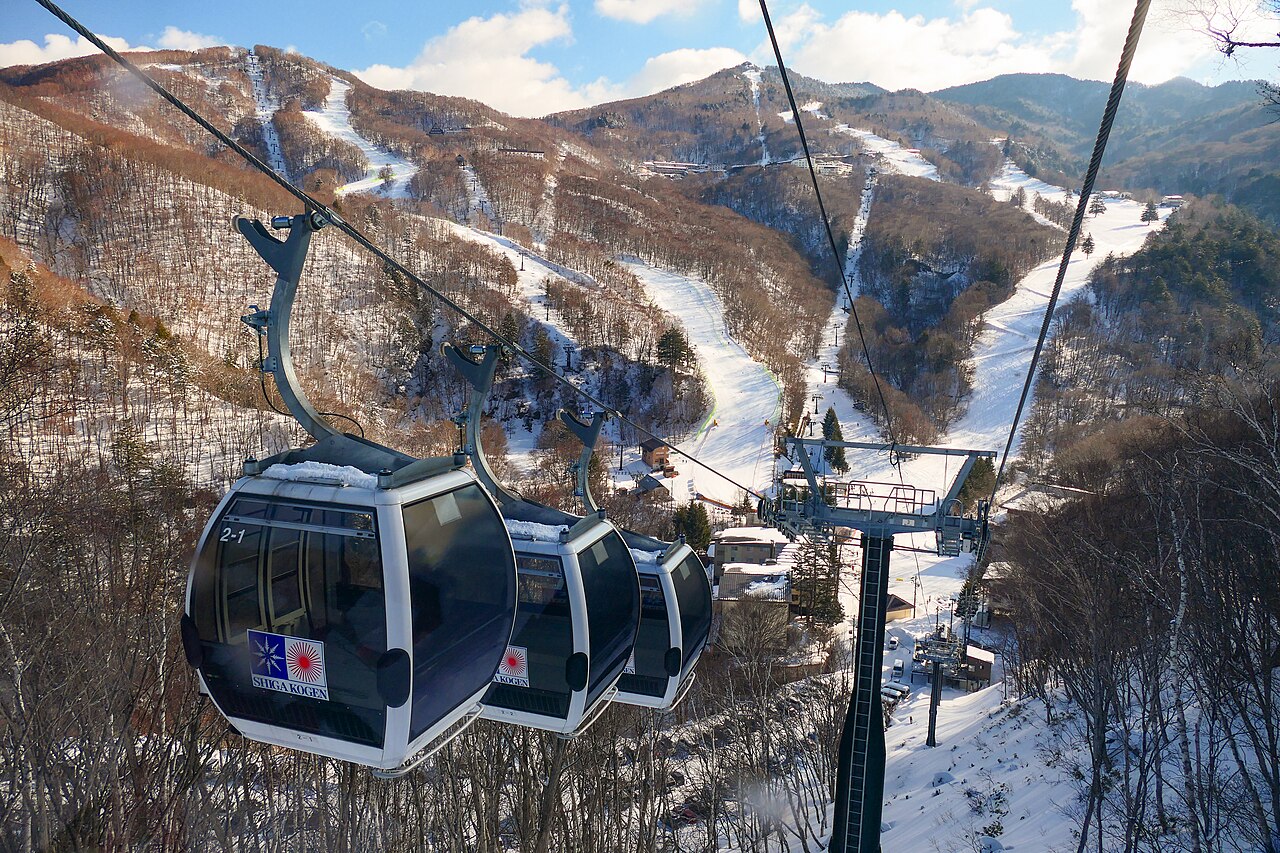
Shiga Kogen is one of Japan’s largest ski areas, with around 18 linked areas sharing one lift pass. Its high point, Yokoteyama, reaches 2,307 metres, so the snow lasts well into spring.
- Why go: a huge network to explore, reliable snow at altitude and fewer foreign visitors than Hakuba.
- Side trip: the snow monkeys of Jigokudani Monkey Park are about 30 minutes away by bus, so you can see them on a rest day.
- Good to know: the areas are a mix of old and new lifts, and some links need a short shuttle bus.
7. Zao Onsen
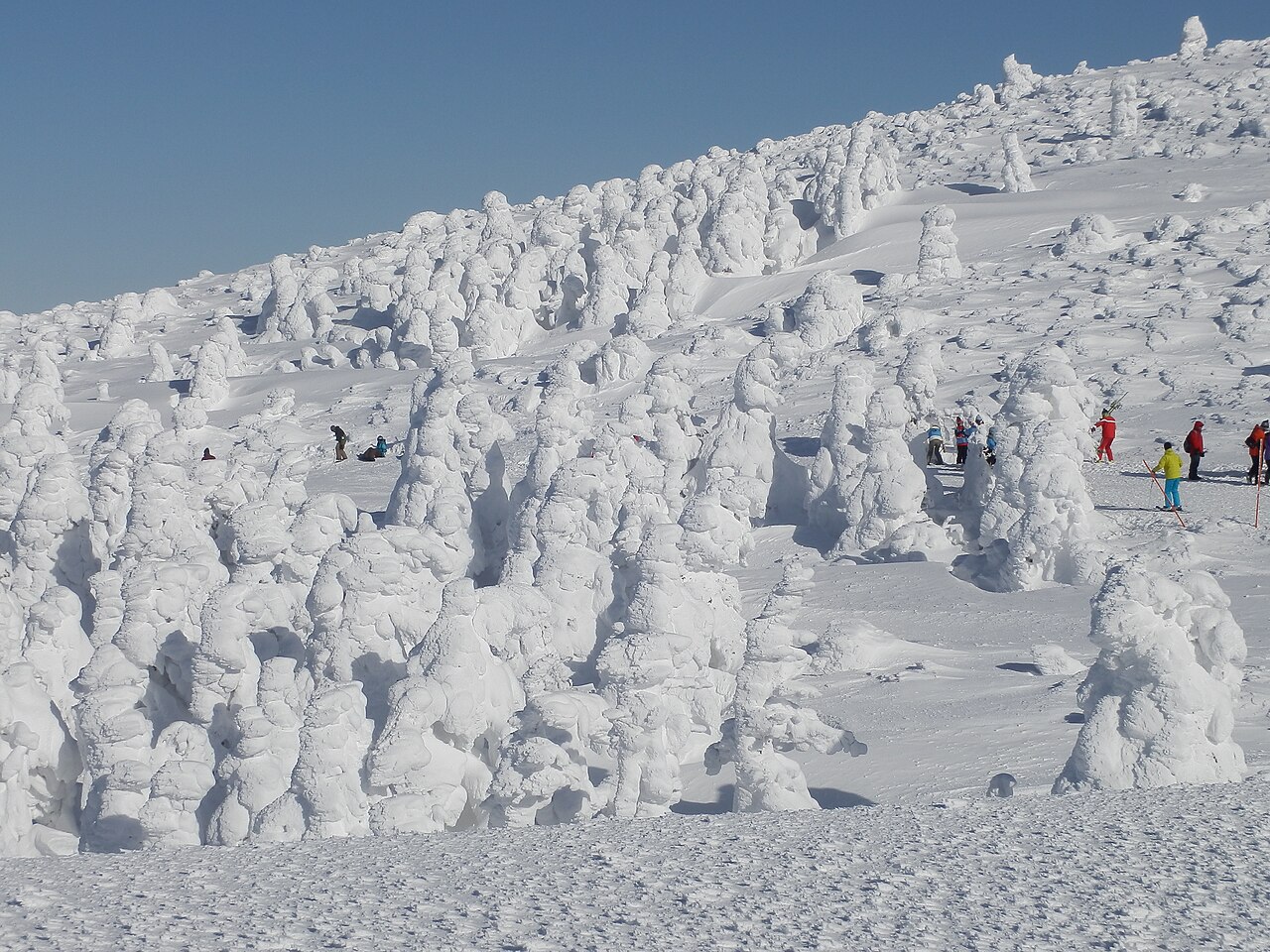
Zao Onsen in Yamagata is known for its juhyo, or “snow monsters”: fir trees coated in thick layers of rime ice and snow by freezing winds. They are best from late January to late February, and on some evenings they are lit up after dark.
- Why go: a landscape you will not see anywhere else, plus a hot spring town with very acidic, sulphur-rich water.
- Access: Yamagata Shinkansen from Tokyo to Yamagata (about 2 hrs 45 min), then a bus to Zao Onsen (about 40 minutes).
8. GALA Yuzawa
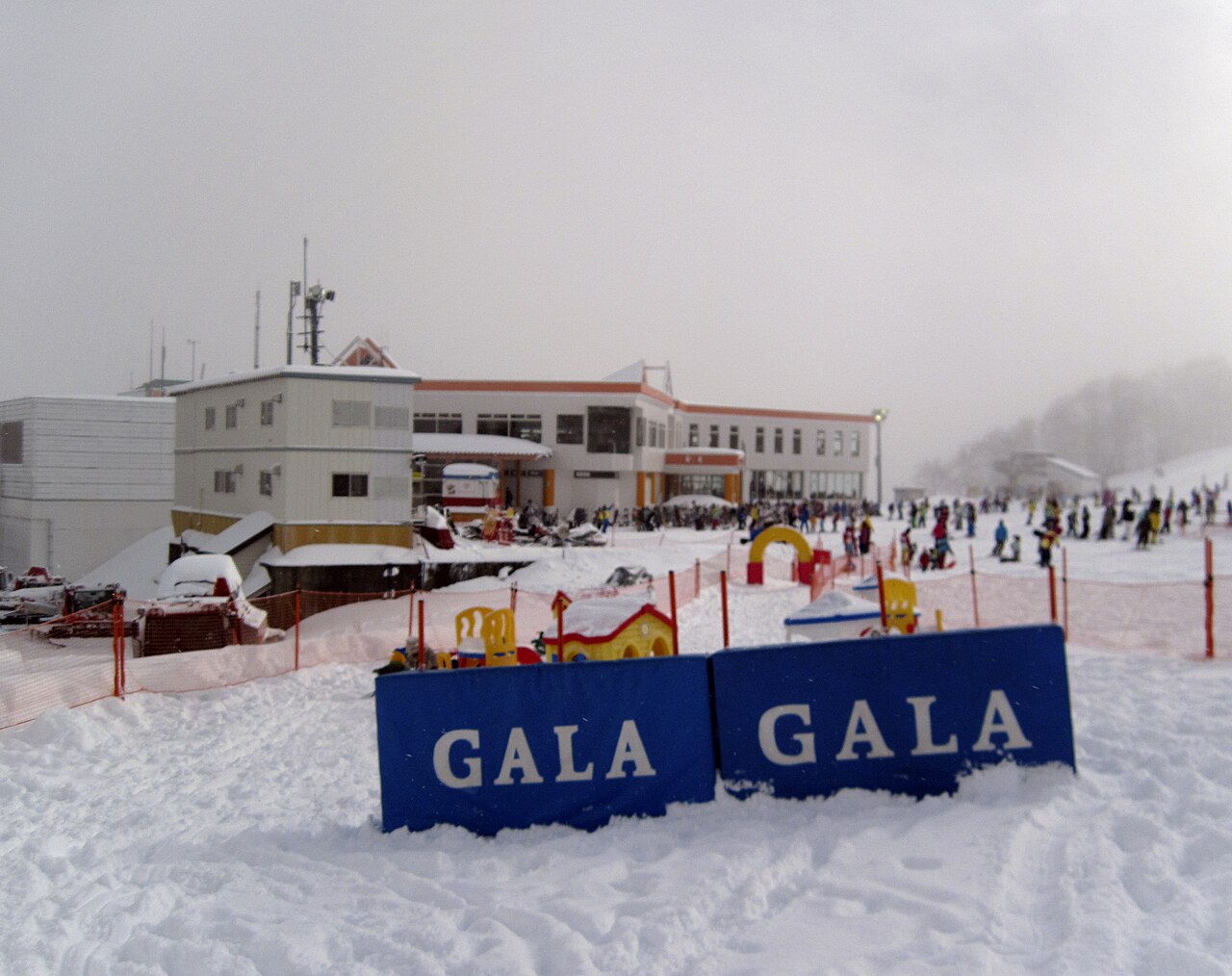
GALA Yuzawa is the easiest ski day trip from Tokyo. The Joetsu Shinkansen stops at GALA Yuzawa Station inside the resort building in winter, so you step off the train, rent your gear and get on the gondola.
- Why go: no buses or transfers, rental shops and lockers in the station building, and wide runs for beginners and intermediates.
- Good to know: the station only operates during the ski season, and slopes can be busy at weekends with skiers from Tokyo. Go on a weekday if you can.
How to Choose a Japanese Ski Resort
| If you are… | Go to | Why |
|---|---|---|
| A powder hunter | Niseko, Rusutsu | Deepest, driest snow and tree runs |
| An advanced skier | Hakuba Valley | Steep terrain and guided backcountry |
| A beginner or family | Furano, GALA Yuzawa, Tsugaike Kogen | Gentle runs, ski schools, easy access |
| Short on time | GALA Yuzawa | Direct Shinkansen from Tokyo |
| Into culture and onsen | Nozawa Onsen, Zao Onsen | Real hot spring villages |
| On a tighter budget | Furano, Shiga Kogen | Lower lodging prices than Niseko or Hakuba |
Practical Tips for Skiing in Japan
- Book early: Christmas, New Year and the Chinese New Year week (late January or February) fill up first. For January and February, book by September or October.
- Lift passes: major resorts usually charge around ¥7,000 to over ¥10,000 for a day pass, with discounts for multi-day passes bought online. Check the resort’s official site, as prices rise most seasons.
- Rentals: every resort on this list rents skis, snowboards and clothing. Book online in advance if you need large boot sizes, which run out fast.
- Luggage: send your bags or ski bag ahead from the airport or your hotel with a luggage delivery service such as Yamato (takkyubin). It saves dragging them onto trains and buses.
- Insurance: make sure your travel insurance covers skiing and off-piste if you plan to use backcountry gates. Helicopter rescue in Japan can cost a lot without it.
- Cash: smaller lodges, onsen and village restaurants may still be cash only.
Après-Ski: Onsen and Food
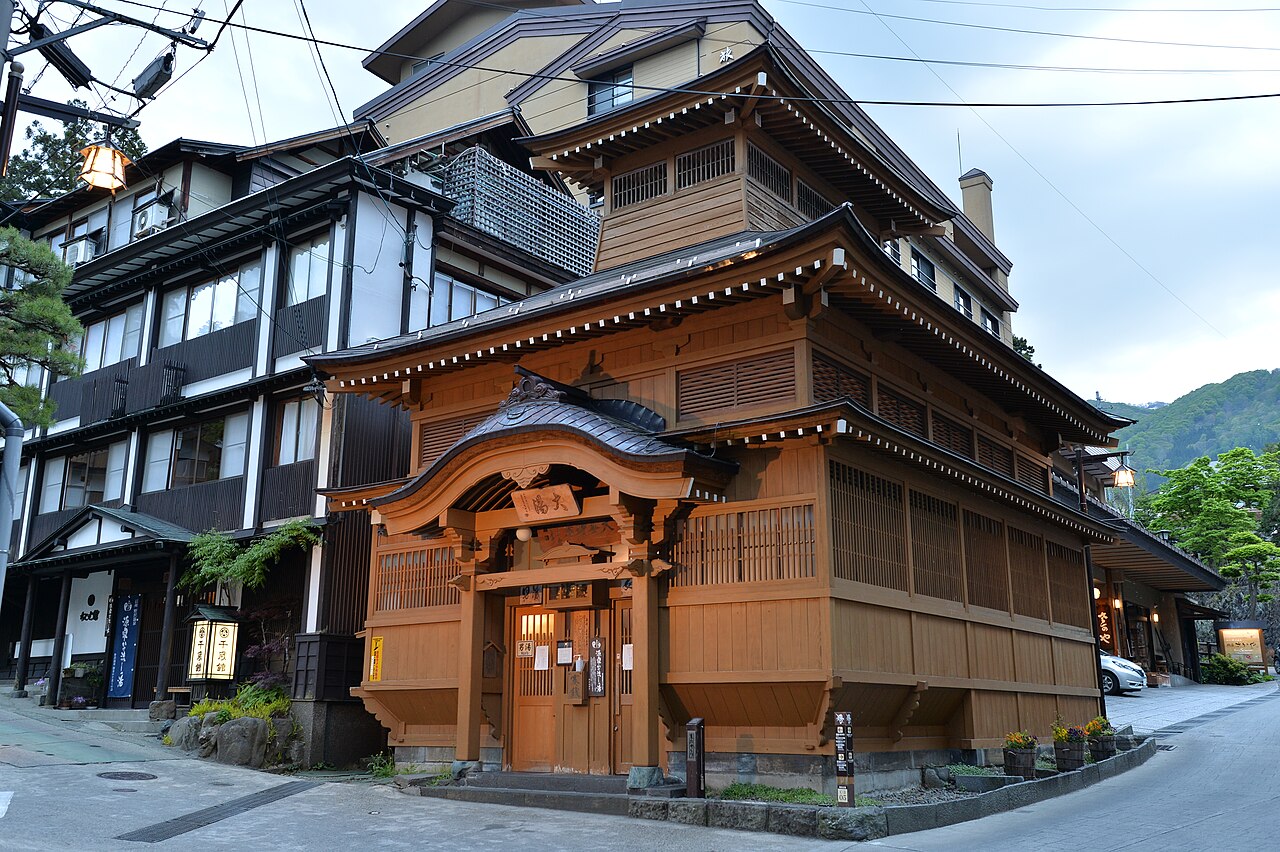
Ending the day in a hot spring is the best part of skiing in Japan. Most resort hotels have their own onsen, and towns like Nozawa and Zao have public baths on every corner. Many baths still restrict guests with large tattoos, so look for ones that are tattoo-friendly or offer private baths (kashikiri).
If you want a slower finish to your trip, add an onsen town break after your ski days in Kinosaki, which has seven public baths and crab season from November to March.
For food, look out for jingisukan (grilled lamb) and soup curry in Hokkaido, and oyaki dumplings, soba and nozawana pickles in Nagano.
Best Ski Resorts in Japan FAQ
Which is the best ski resort in Japan?
For powder and services, Niseko United is the best-known. For terrain variety, Hakuba Valley. For a traditional village feel, Nozawa Onsen. The best choice depends on your level and whether you start from Tokyo or Sapporo.
When is the ski season in Japan?
Most resorts open in December and close between late March and early May. The best powder is usually from mid-January to late February.
Can I ski in Japan as a day trip from Tokyo?
Yes. GALA Yuzawa has its own Shinkansen station about 75 minutes from Tokyo Station, with rentals inside the station building.
Is Niseko or Hakuba better?
Niseko has drier, more consistent powder and an easy-to-navigate mountain. Hakuba has steeper, more varied terrain, Alps scenery and easier access from Tokyo.
Does the Japan Rail Pass cover travel to ski resorts?
It covers JR trains such as the Hokuriku, Joetsu and Yamagata Shinkansen, but not most resort buses or private railways.
Are Japanese ski resorts good for beginners?
Yes. Most have gentle beginner areas and ski schools with English-speaking instructors. Furano, GALA Yuzawa and Tsugaike Kogen in Hakuba are especially easy.
Sources checked: Niseko United, Hakuba Valley, Nozawa Onsen Snow Resort, japan-guide.com: Jigokudani Monkey Park, GALA Yuzawa. Opening dates, lift prices and bus schedules change every season, so confirm them on each resort’s official site before you book.