
Best Time to Visit Japan: Month-by-Month Guide (2027 Update)
Last updated: 4 October 2026, for trips in 2027.
The short answer: the best time to visit Japan is late March to early April for cherry blossoms, or mid-November to early December for autumn leaves. Both have mild weather and Japan at its most beautiful, but also the biggest crowds and highest hotel prices.
The longer answer depends on what you want. Skiers should come in January or February, festival lovers in July or August, and budget travellers in mid-January, early June or early December. This guide walks through the year month by month, with typical temperatures, what is on, how busy it gets and which months to avoid.
Japan Month by Month at a Glance
Temperatures below are Tokyo’s average daily highs from the Japan Meteorological Agency. Hokkaido is much colder, and Okinawa much warmer.
| Month | Tokyo avg high | Highlights | Crowds & prices |
|---|---|---|---|
| January | 10°C | New Year shrine visits, powder snow, winter illuminations | Low after 4 Jan |
| February | 11°C | Sapporo Snow Festival, plum blossoms, snow monkeys | Low (except Hokkaido) |
| March | 14°C | Plum blossoms, first cherry blossoms late in the month | Rising fast |
| April | 19°C | Cherry blossoms in early April, Golden Week from 29 April | Very high |
| May | 24°C | Fresh greenery, Kanda and Sanja festivals | High until 6 May, then low |
| June | 26°C | Rainy season, hydrangeas, Hokkaido at its best | Low |
| July | 30°C | Gion Matsuri, Fuji climbing season, fireworks | Medium |
| August | 31°C | Nebuta, Awa Odori, Obon holidays mid-month | High mid-month |
| September | 28°C | Typhoon peak, early autumn colour in Hokkaido | Low |
| October | 22°C | Comfortable weather, autumn festivals | Medium |
| November | 17°C | Autumn leaves peak in Tokyo and Kyoto late in the month | Very high in Kyoto |
| December | 12°C | Last autumn leaves, illuminations, ski season starts | Low until Christmas |
For festival dates in each month, see our festival calendar by month.
🎥 Watch the Visual Guide Here: When to Visit Japan: A Local’s Guide to the BEST & WORST Seasons
Spring (March to May): Cherry Blossom Season
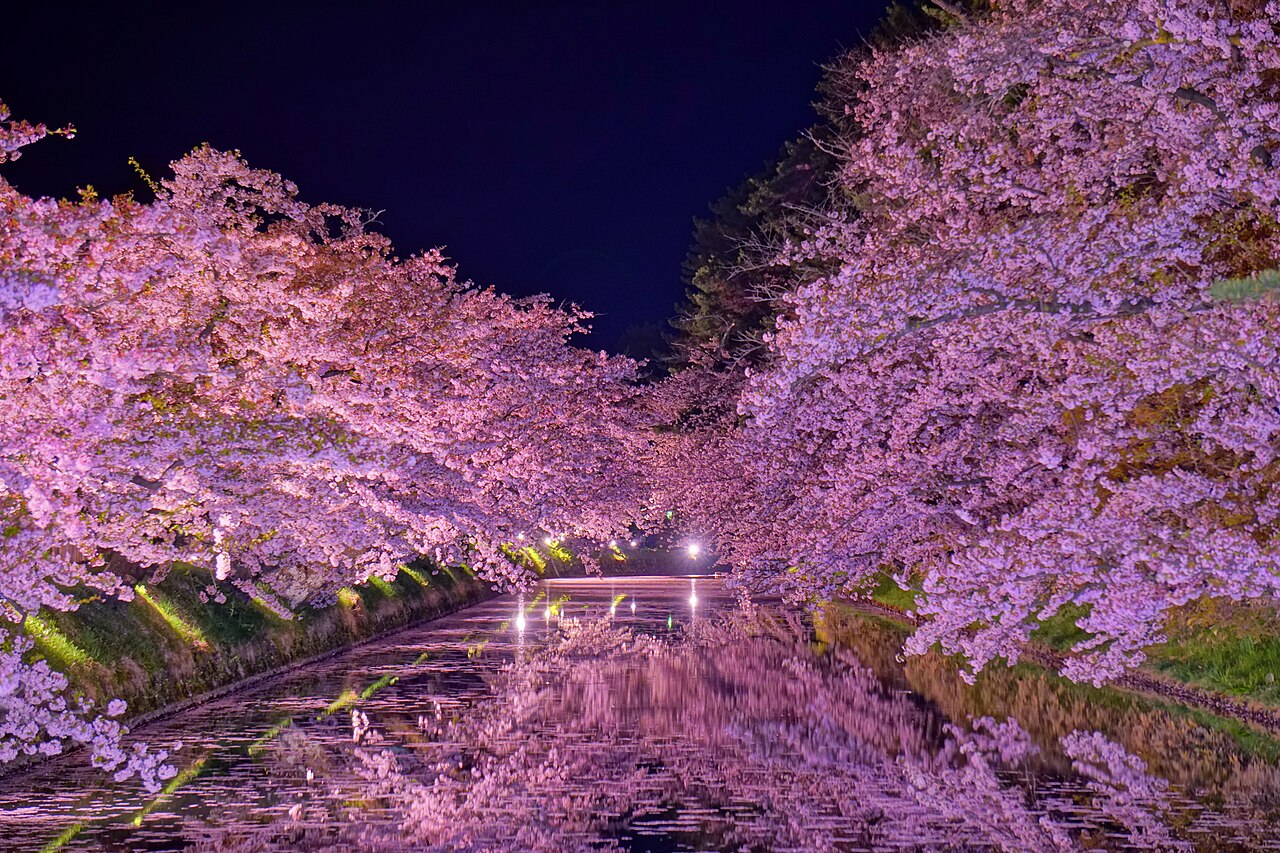
Cherry blossoms move up Japan from south to north like a slow wave. Each tree is in full bloom for only about a week, so timing matters more than anything else.
| Region | Typical full bloom |
|---|---|
| Fukuoka, Kyushu | Late March to early April |
| Tokyo | Late March to early April |
| Kyoto and Osaka | Early April |
| Kanazawa | Early to mid-April |
| Hirosaki (Tohoku) | Late April |
| Sapporo (Hokkaido) | Early May |
How to use this: if your dates are fixed and you miss the blossoms in Tokyo or Kyoto, head north. A trip from Tokyo to Hirosaki in late April can still catch full bloom. This is also where a rail pass earns its price, so look at planning your route with a Japan Rail Pass if you plan to follow the blossoms north.
Golden Week warning: from 29 April to 5 May, a cluster of public holidays sends most of Japan on holiday at once. Trains are full and prices spike. Arrive after 6 May and you get warm weather, fresh green maples and some of the quietest weeks of the year.
Where to go: Ueno Park and Chidorigafuchi in Tokyo, the Philosopher’s Path and Maruyama Park in Kyoto, Hirosaki Castle in late April, and Chureito Pagoda near Mount Fuji.
Early Summer (June): Rainy Season
The rainy season, tsuyu, usually runs from early June to mid or late July across Honshu, Shikoku and Kyushu. It does not rain all day every day. Expect grey skies, drizzle and high humidity, with some sunny breaks.
Why June is underrated:
- Hotels are cheaper and big sights are quieter than at any time in spring or autumn.
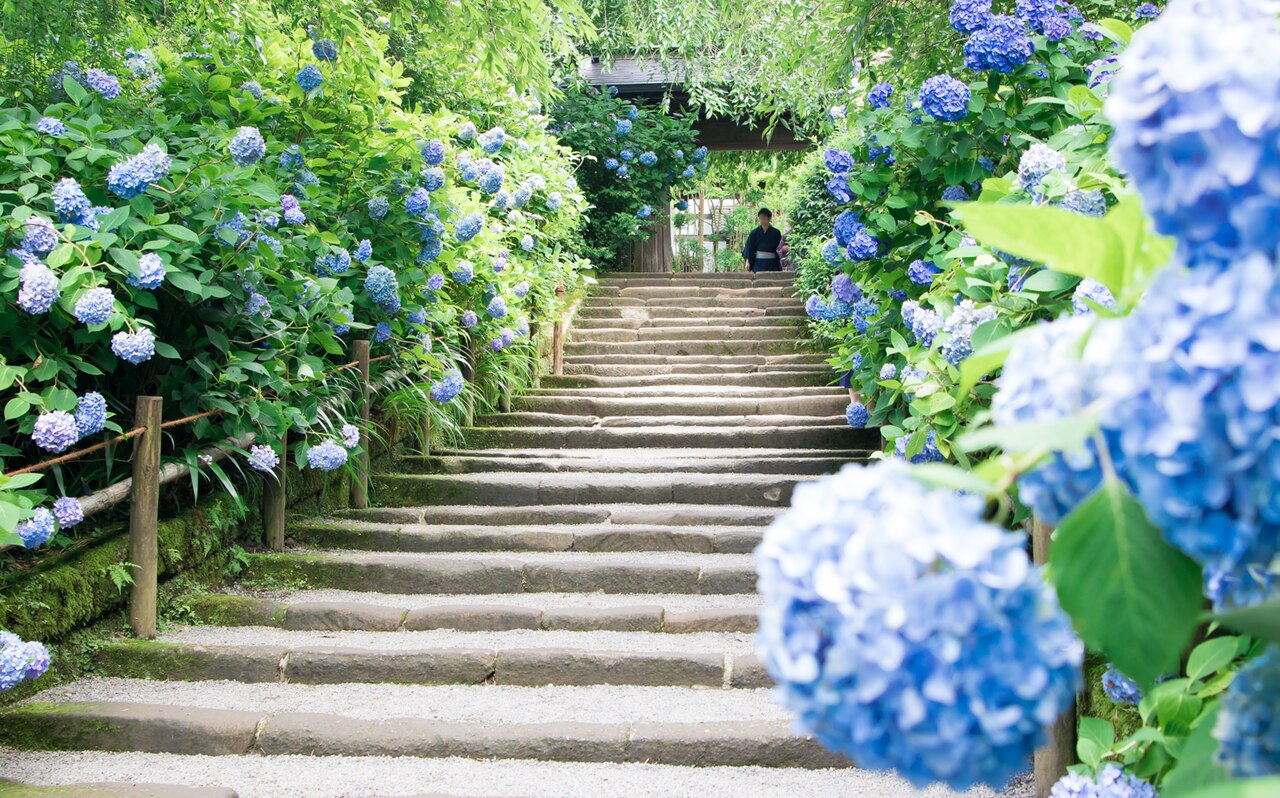
- Hydrangeas bloom at temples such as Meigetsuin in Kamakura and Mimuroto-ji near Kyoto.
- Hokkaido has almost no rainy season, so June is one of its best months, with early flowers and cool, dry weather.
Pack a small umbrella and plan indoor backups such as museums, onsen and food tours.
Summer (July to August): Festivals, Fuji and Okinawa
Japanese summers are hot and humid. Tokyo regularly passes 35°C in August, and Kyoto is often hotter. In exchange you get the year’s biggest festivals, fireworks displays almost every weekend, and the only window to climb Mount Fuji.
- Festivals: Gion Matsuri in Kyoto (all July), Tenjin Matsuri in Osaka (24–25 July), Aomori Nebuta (2–7 August) and Awa Odori in Tokushima (12–15 August).
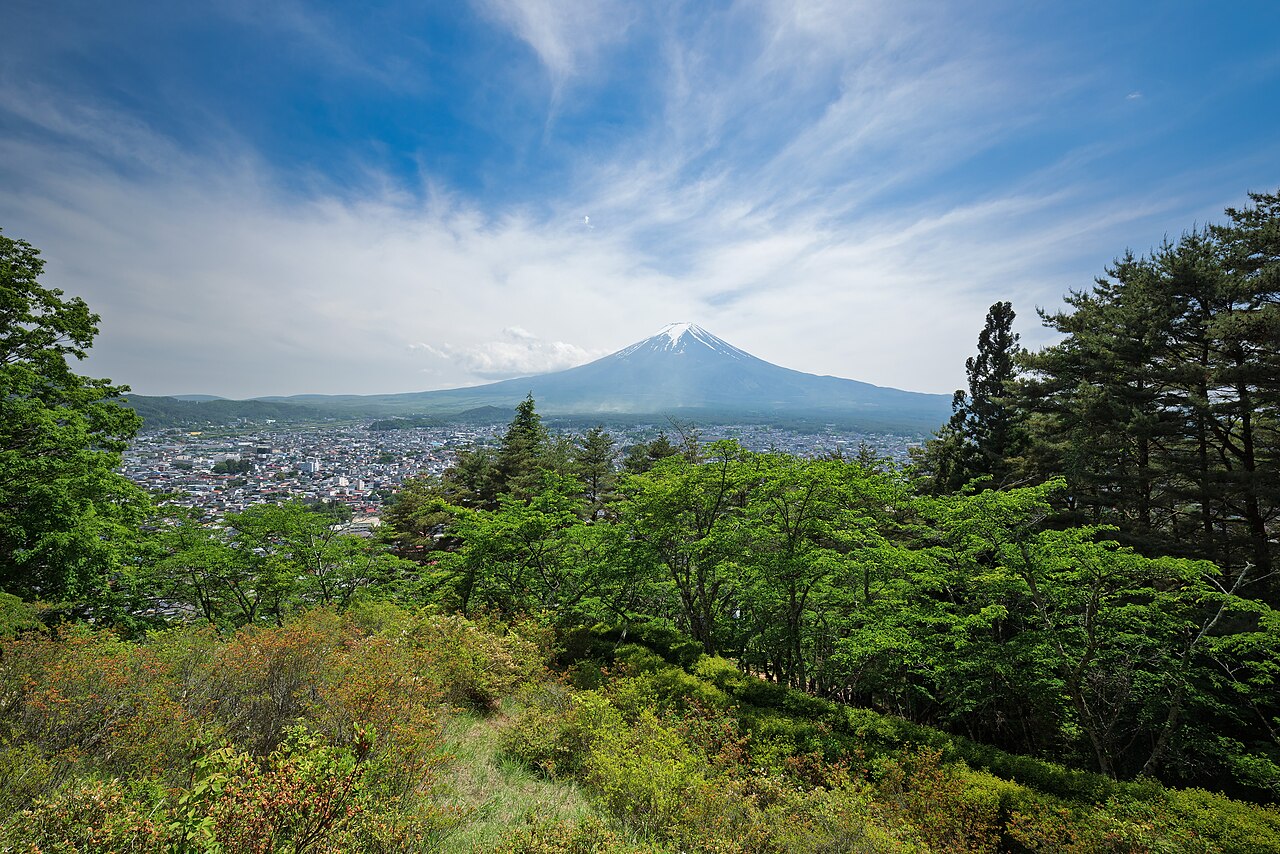
- Mount Fuji: the official climbing season runs from 1 July (10 July on the Shizuoka trails) to 10 September. All four trails now charge a ¥4,000 fee, and the Yoshida Trail requires an advance reservation.
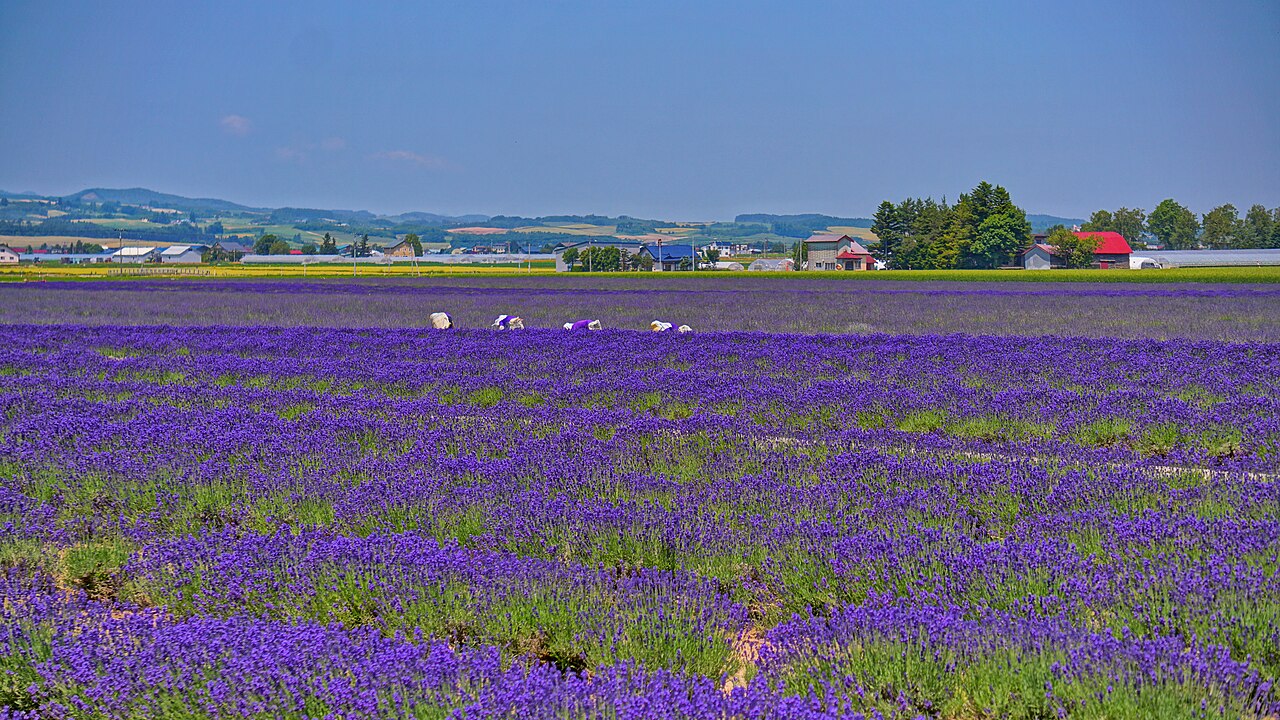
- Hokkaido: the lavender at Farm Tomita in Furano peaks from early to late July, and temperatures stay in the mid-20s.
- Obon (around 13–16 August): domestic travel peaks, so book trains and hotels early.
Okinawa: The Exception
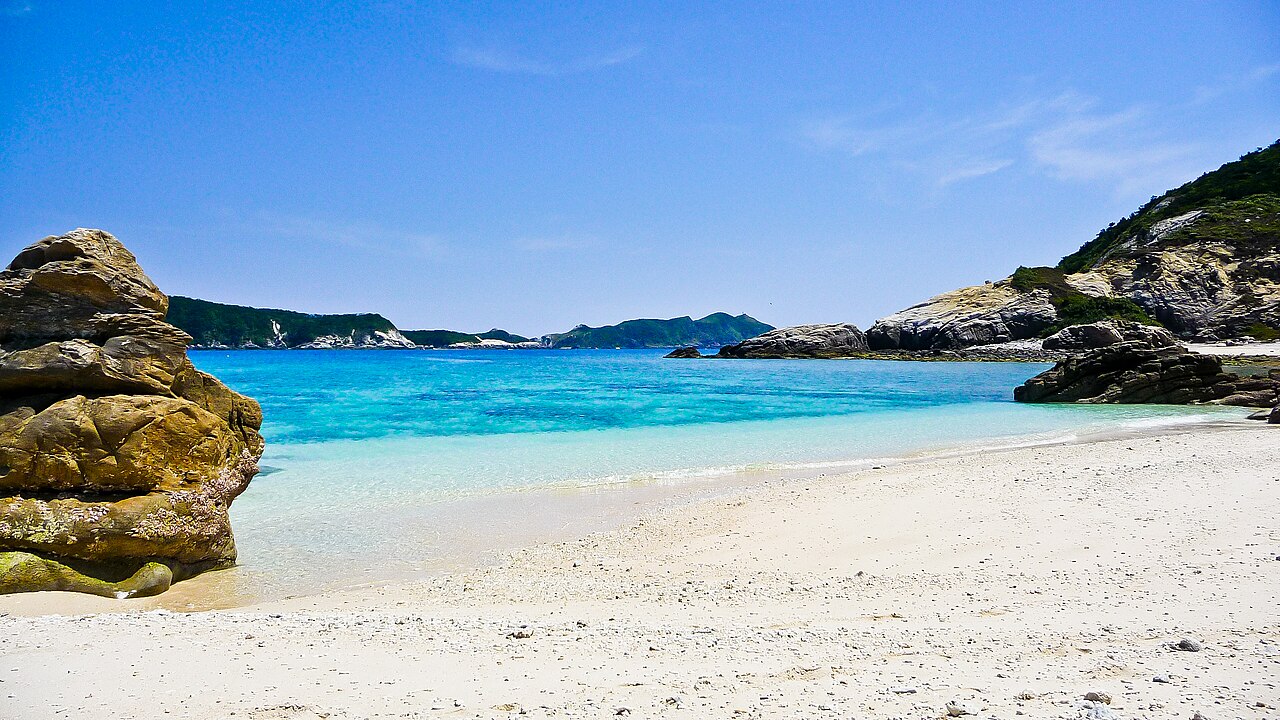
Okinawa runs on its own calendar. Its rainy season ends in late June, about a month before Tokyo’s, so early July is a sweet spot for beaches. August and September are the main typhoon months, when ferries to the outer islands can be cancelled at short notice. Winter (January to March) is mild, around 20°C, and the season for whale watching.
Autumn (September to November): Autumn Leaves
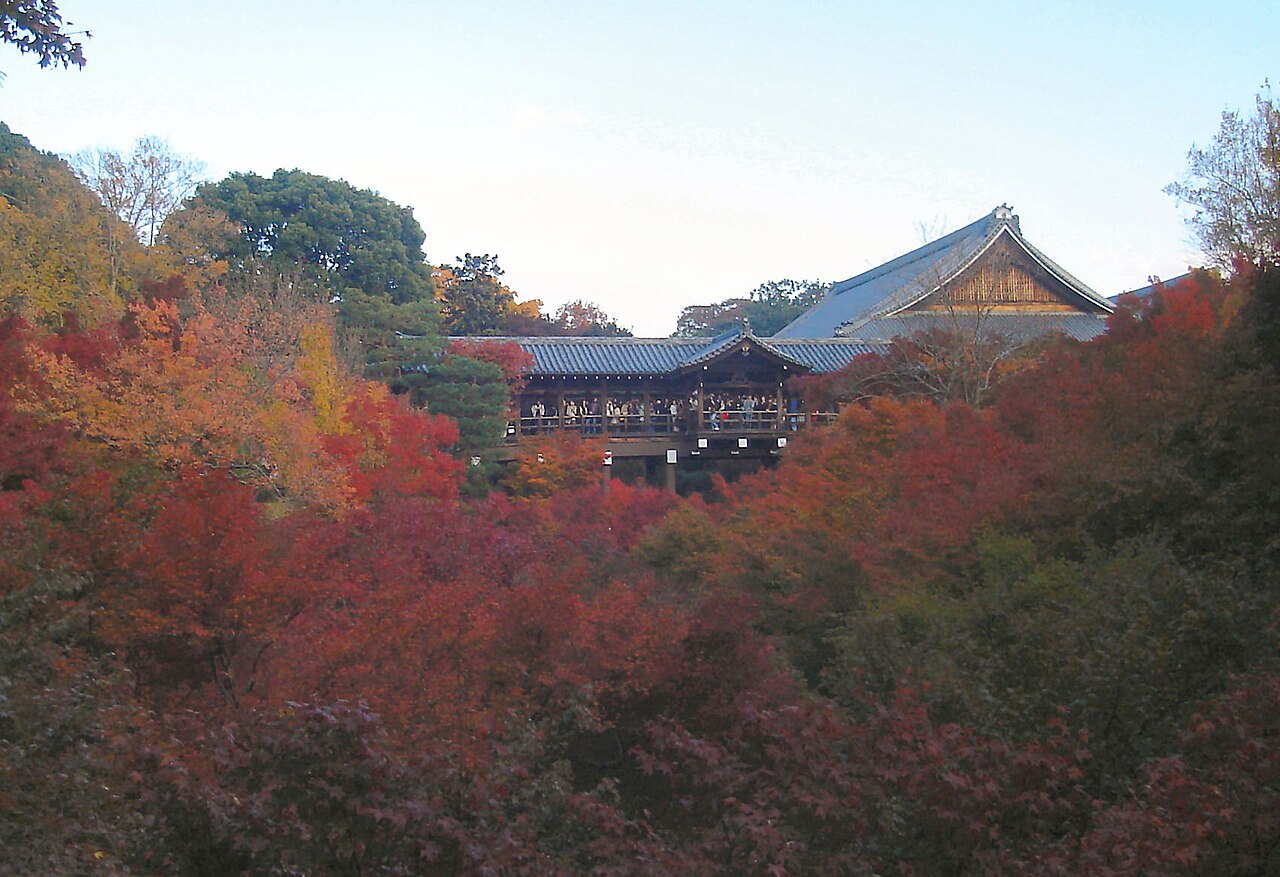
September is still hot in most of Japan and is the peak typhoon month, so it is usually the weakest month of autumn. From October, the air turns dry and clear, and by November autumn colour (koyo) spreads south from the mountains.
| Region | Typical peak colour |
|---|---|
| Daisetsuzan, Hokkaido | Mid to late September |
| Nikko (Irohazaka, Lake Chuzenji) | Mid to late October |
| Hakone and Fuji Five Lakes | Early to mid-November |
| Tokyo | Late November to early December |
| Kyoto and Osaka | Mid-November to early December |
Kyoto tip: Tofukuji, Eikando and Kiyomizu-dera are extremely crowded in the last two weeks of November. Visit right at opening time, or choose quieter spots such as Ohara, Kurama or Arashiyama’s back streets.
Winter (December to February): Snow, Onsen and Low Prices
Winter is the most underrated season for first-time visitors. Tokyo, Kyoto and Osaka are cold but mostly sunny and dry, flights and hotels are cheaper (outside the New Year week and Chinese New Year), and the country has two of its best experiences on offer: powder snow and hot springs.
- Skiing: the season runs from December to March, with the deepest powder in January and February. Our guide to where to ski in Japan from December to March compares Niseko, Hakuba, Nozawa Onsen and more.
- Onsen and crab: the snow country along the Sea of Japan is at its best now. Try soaking in Kinosaki’s seven public baths during crab season, which runs from November to March.
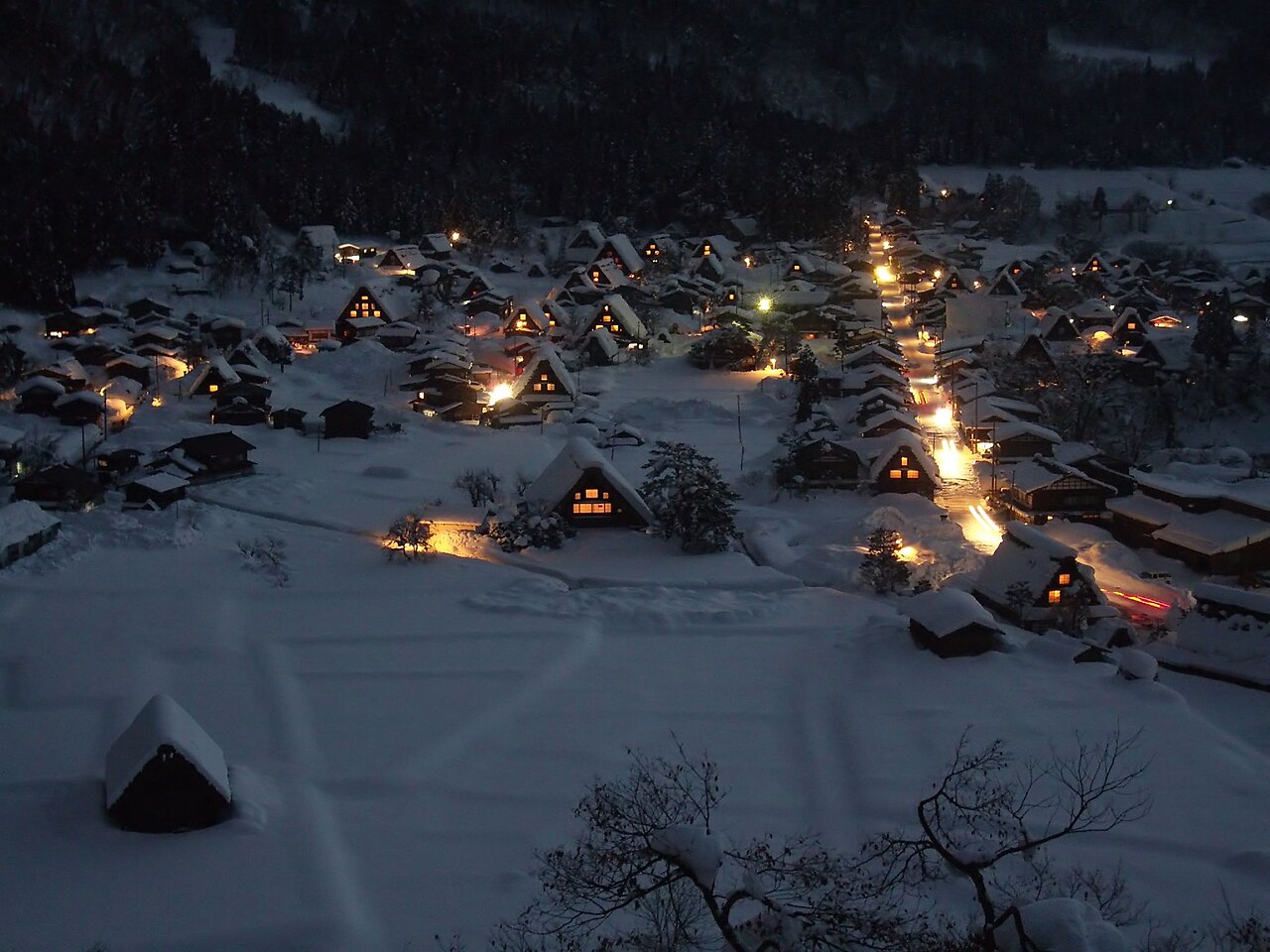
- Shirakawa-go: the thatched-roof village is lit up on a few winter evenings each year, and the viewing slots must be reserved in advance.
- New Year (29 December to 3 January): many shops, museums and restaurants close for a few days, while shrines are packed for hatsumode, the first shrine visit of the year.
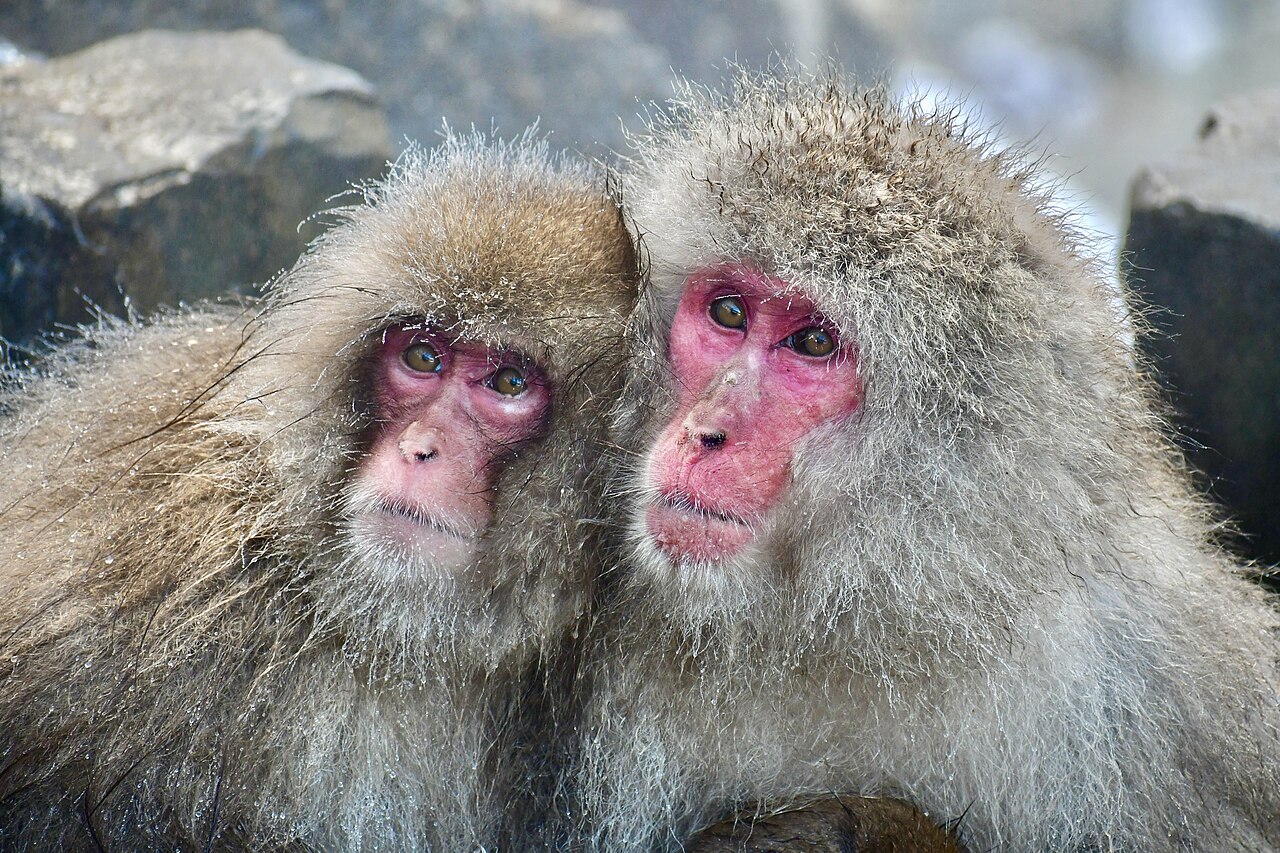
Snow monkeys: at Jigokudani Monkey Park in Nagano, wild Japanese macaques bathe in a hot spring. They are there all year, but snowy January and February give the classic photos. It is easy to combine with skiing in Shiga Kogen or Nozawa Onsen.
Best Time to Visit Japan by Travel Style
| You want… | Go in… | Why |
|---|---|---|
| Cherry blossoms | Late March to early April (late April in the north) | Peak sakura |
| Autumn leaves | Mid-November to early December | Peak koyo in Kyoto and Tokyo |
| The lowest prices | Mid-January to February, June, early December | Off-season for both domestic and foreign visitors |
| Skiing | January to February | Deepest powder |
| Festivals | July to August | Gion, Tenjin, Nebuta, Awa Odori |
| Beaches | Late June to July (Okinawa) | After the rainy season, before typhoon peak |
| Comfortable sightseeing | Mid-May, October, early December | Mild weather and smaller crowds |
When to Avoid Japan
- Golden Week (29 April to 5 May): full trains, high prices, crowded sights.
- Obon (around 13–16 August): domestic travel peak, combined with peak heat.
- New Year (29 December to 3 January): many places closed and transport full.
- Late August to September in Okinawa and Kyushu: highest typhoon risk.
None of these are reasons to cancel a trip, but if your dates are flexible, shifting them by a week can make a big difference to cost and comfort.
🎥 Watch the Visual Guide Here: WHEN TO VISIT JAPAN (and when NOT to!): seasons, dates, advice
Best Time to Visit Japan FAQ
What is the best month to visit Japan?
April and November are the most popular months, for cherry blossoms and autumn leaves. For good weather with fewer crowds, mid-May, October and early December are excellent.
What is the cheapest time to visit Japan?
Mid-January to February (outside ski resorts and Sapporo), June and the first half of December usually have the lowest hotel prices.
When is the rainy season in Japan?
Usually from early June to mid or late July on Honshu, Shikoku and Kyushu, and from early May to late June in Okinawa. Hokkaido has almost no rainy season.
When do cherry blossoms bloom in Japan?
In Tokyo and Kyoto, usually from late March to early April. Northern areas such as Hirosaki bloom in late April, and Hokkaido in early May.
When is typhoon season in Japan?
From roughly July to October, with the highest risk in August and September, especially in Okinawa and southern Japan.
Is winter a good time to visit Japan?
Yes. Tokyo, Kyoto and Osaka are cold but often sunny, prices are low after New Year, and it is the best season for skiing, onsen and snow scenery.
Sources checked: Japan Meteorological Agency, japan-guide.com: When to travel, japan-guide.com: Cherry blossom reports. Bloom and foliage dates shift by a week or more depending on the year’s weather, so check forecasts closer to your trip.
2 thoughts on “Best Time to Visit Japan: Month-by-Month Guide (2027 Update)”