
Muslim-Friendly Travel in Japan: Halal Food & Prayer Rooms (2027)
Last updated: 4 October 2026. Restaurants and prayer rooms checked against 2026 listings.
The short answer: yes, Japan is very doable for Muslim travellers. Tokyo, Kyoto and Osaka now have dozens of halal-certified restaurants, from wagyu ramen to Kobe beef, and you can find prayer rooms at all three major international airports, inside big department stores and near the main stations. The thing to plan around is not finding food but timing your prayers on busy sightseeing days, and reading labels in convenience stores.
This guide covers where to eat and pray in each city, which Japanese words to look for on food labels, Muslim-friendly hotels and what to know about Ramadan in Japan. It is written with travellers from Indonesia and Malaysia in mind, but works for anyone.
Muslim-Friendly Japan at a Glance
| City | Halal food hotspots | Where to pray | Main mosque |
|---|---|---|---|
| Tokyo | Asakusa, Ueno, Shibuya, Shinjuku | Restaurant prayer rooms, mosques near Asakusa, Okachimachi and Shin-Okubo | Tokyo Camii (Yoyogi-Uehara) |
| Kyoto | Around Kyoto Station, Gion, Arashiyama | Kyoto Tower 3F prayer room, restaurant prayer rooms | Kyoto Muslim Mosque (Kamigyo) |
| Osaka | Dotonbori, Namba, Shinsaibashi | Namba City, Daimaru Shinsaibashi 7F, Osaka Station City | Osaka Masjid (Nishiyodogawa), Osaka Ibaraki Mosque |
A note on certification: Japan has several halal certifiers, including the Japan Halal Foundation, the Japan Islamic Culture Center and Malaysia Halal Corporation. Some shops are “whole kitchen” certified, others only certify part of the menu, and a “Muslim-friendly” sign (no pork, no alcohol, but not certified) is different again. Look for the certificate on the wall if this matters to you.
Tokyo
Tokyo has the biggest Muslim community in Japan and the widest choice of halal food. Most visitors base themselves around Asakusa and Ueno, where halal restaurants and mosques are within walking distance of each other.
Tokyo Camii: Japan’s Largest Mosque
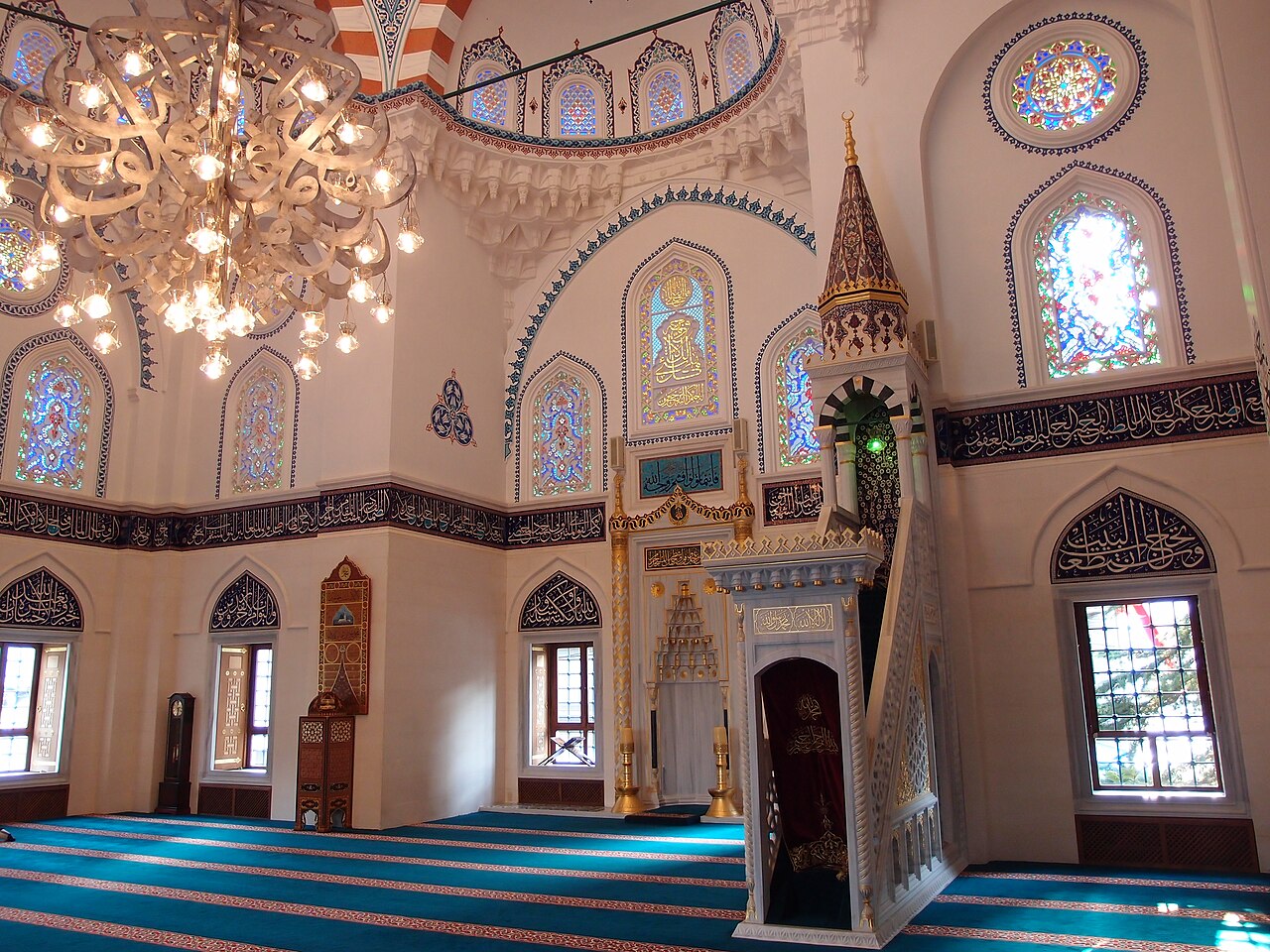
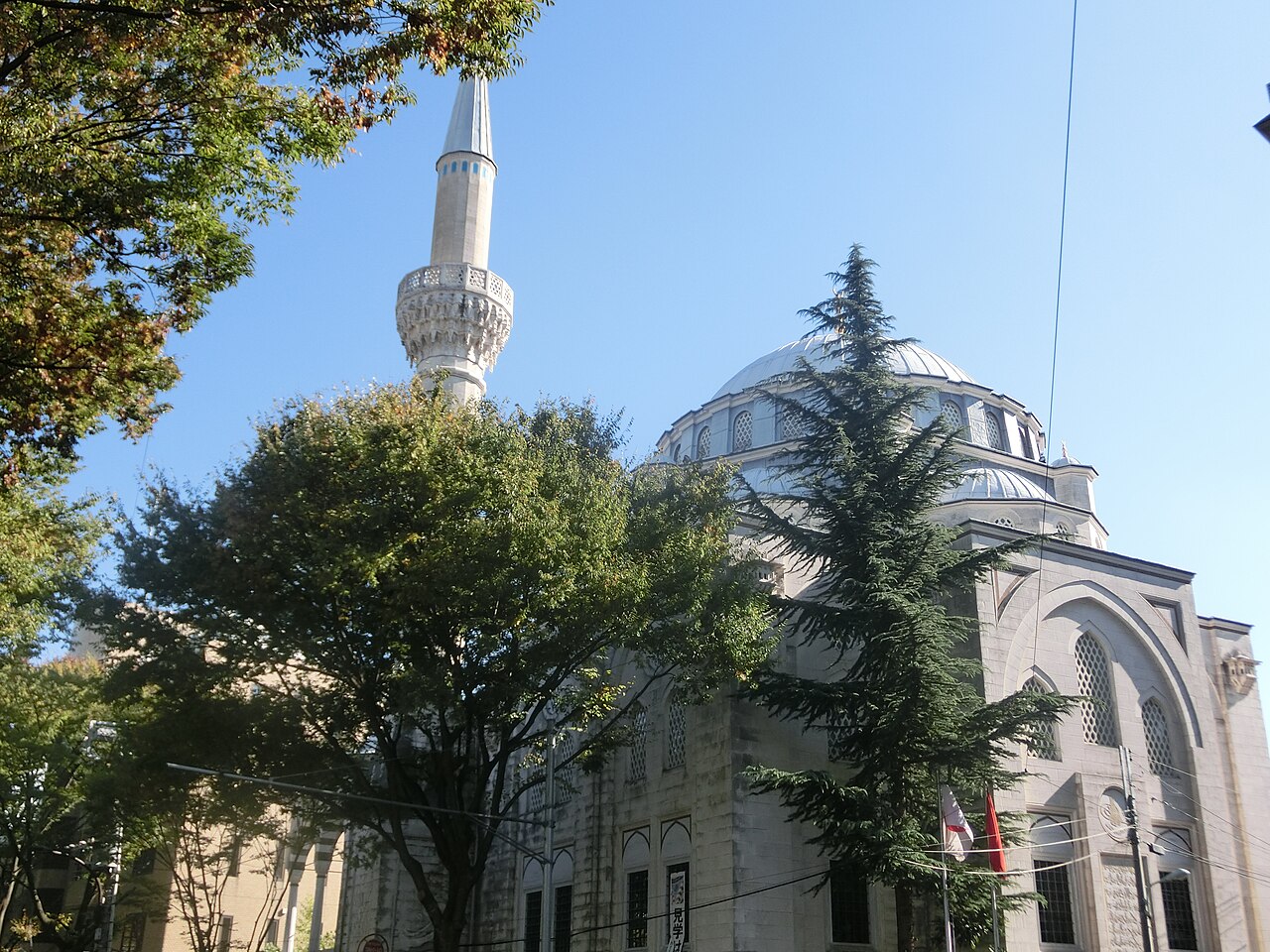
Tokyo Camii, a 5-minute walk from Yoyogi-Uehara Station, is the largest mosque in Japan and one of the most beautiful buildings in Tokyo. It was built in Ottoman style with materials and craftsmen from Turkey, and the prayer hall is full of light from stained-glass windows.
- Opening hours: daily 10:00 to 18:00. On Fridays, general visits start from 14:00 after the congregational prayer.
- Friday prayer: adhan around 12:30, prayer around 13:00. The upper floor of the prayer hall is for women.
- Visitors: non-Muslims are welcome. Free guided tours run at 14:30 on weekends and holidays. Women need a headscarf in the prayer hall, which can be borrowed at the entrance.
- Bonus: the ground floor has a halal grocery shop, handy for snacks before a long day out.
Asakusa and Ueno: The Halal Food Hub
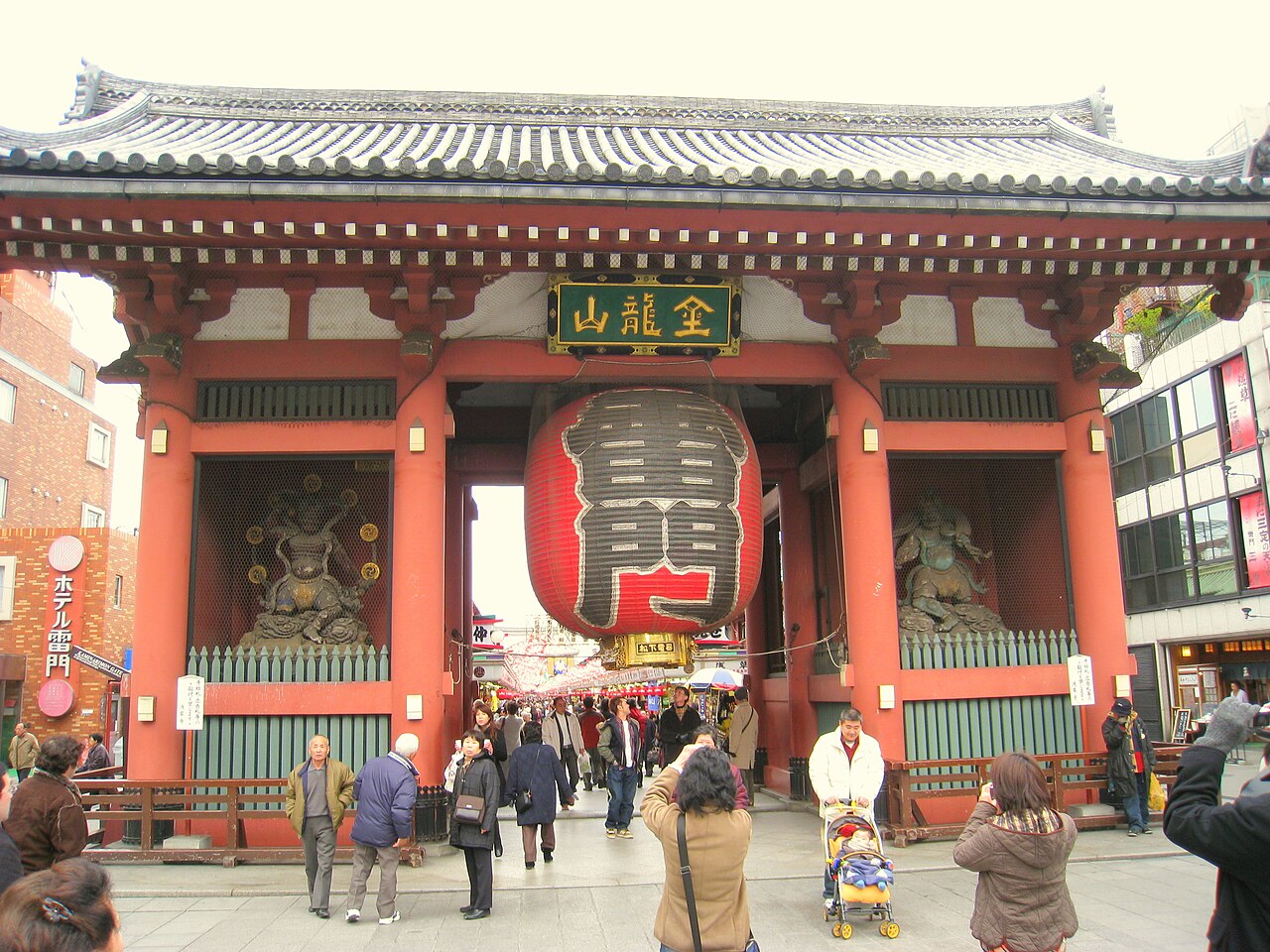
Asakusa, home to Senso-ji Temple, and nearby Ueno have the densest cluster of halal restaurants in Tokyo. Good starting points:
| Restaurant | Area | Food | Notes |
|---|---|---|---|
| Ayam-ya Halal Ramen | Moto-Asakusa | Chicken-broth ramen | Japan Halal Foundation, whole menu halal |
| Halal Ramen Honolu Premier Asakusa | Asakusa | Ramen | Very popular, near Senso-ji |
| Halal Ramen Ueno | Ueno | Ramen | Whole-kitchen certified |
| Sankyu Halal Ramen | Nishi-Asakusa | Ramen and Japanese dishes | Halal menu certified |
Where to pray: Darul Arqam Mosque in Higashi-Asakusa has separate floors for men and women, and As-Salaam Masjid is near Okachimachi Station, one stop from Ueno.
Heads-up: Naritaya, the halal ramen shop many older guides list in Asakusa, has closed permanently.
Shibuya and Shinjuku
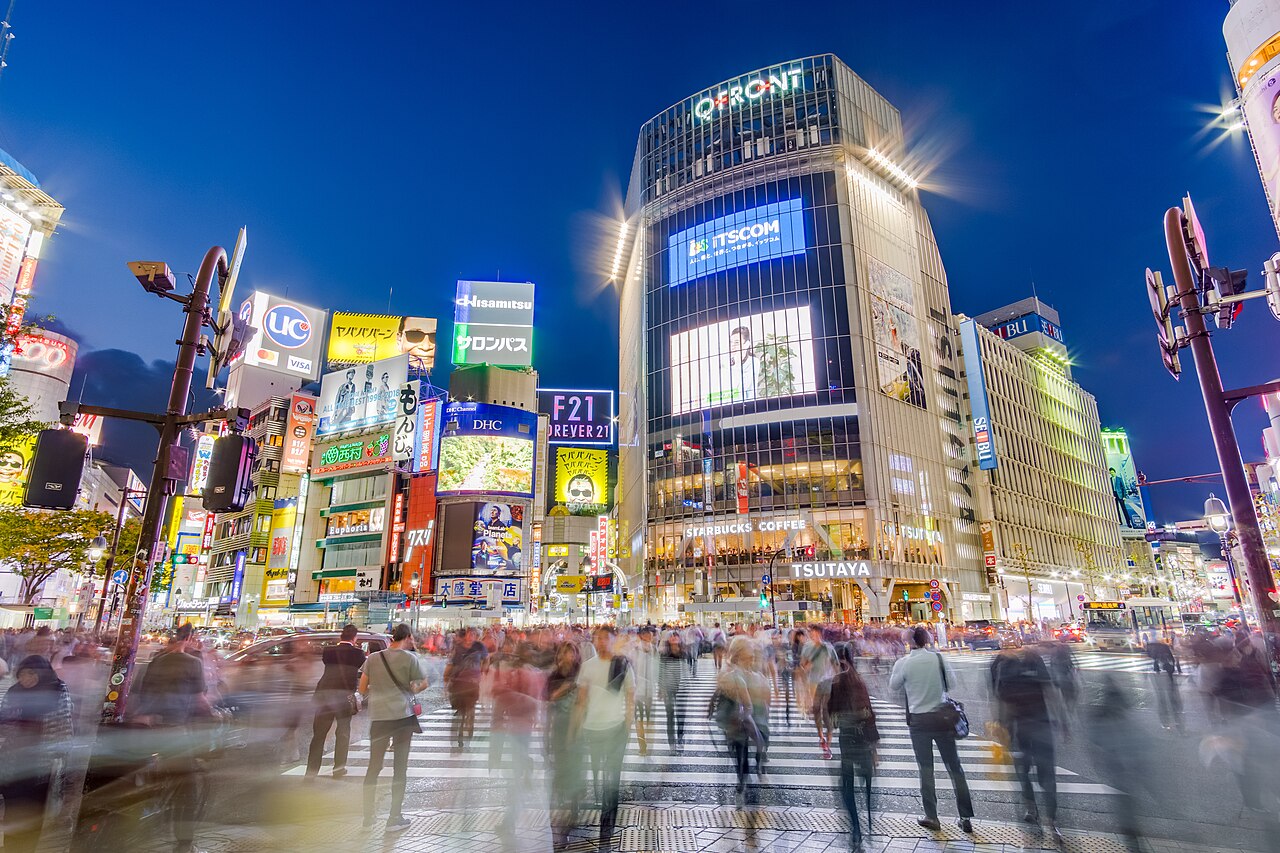
- GYUMON Halal Wagyu Ramen Shibuya is whole-kitchen certified by Malaysia Halal Corporation and has its own prayer room, which is rare in central Tokyo.
- Honolu has certified branches near Shinjuku Gyoen and in Ebisu.
- Masjid Shin-Okubo is 2 minutes from Shin-Okubo Station, one stop from Shinjuku, with separate floors for women and men. Shin-Okubo also has halal grocery stores selling Indonesian and South Asian products.
🎥 Watch the Visual Guide Here: Japan Halal Guide: Ramen, Wagyu & Prayer Solved!
Kyoto
Kyoto is full of temples and shrines, so prayer space takes a little more planning. The good news is that most halal options are clustered around Kyoto Station, which you will pass through anyway. If you are travelling between cities, our guide on using the Japan Rail Pass for the Tokyo–Kyoto–Osaka route explains whether the pass pays off.
Around Kyoto Station and Kyoto Tower
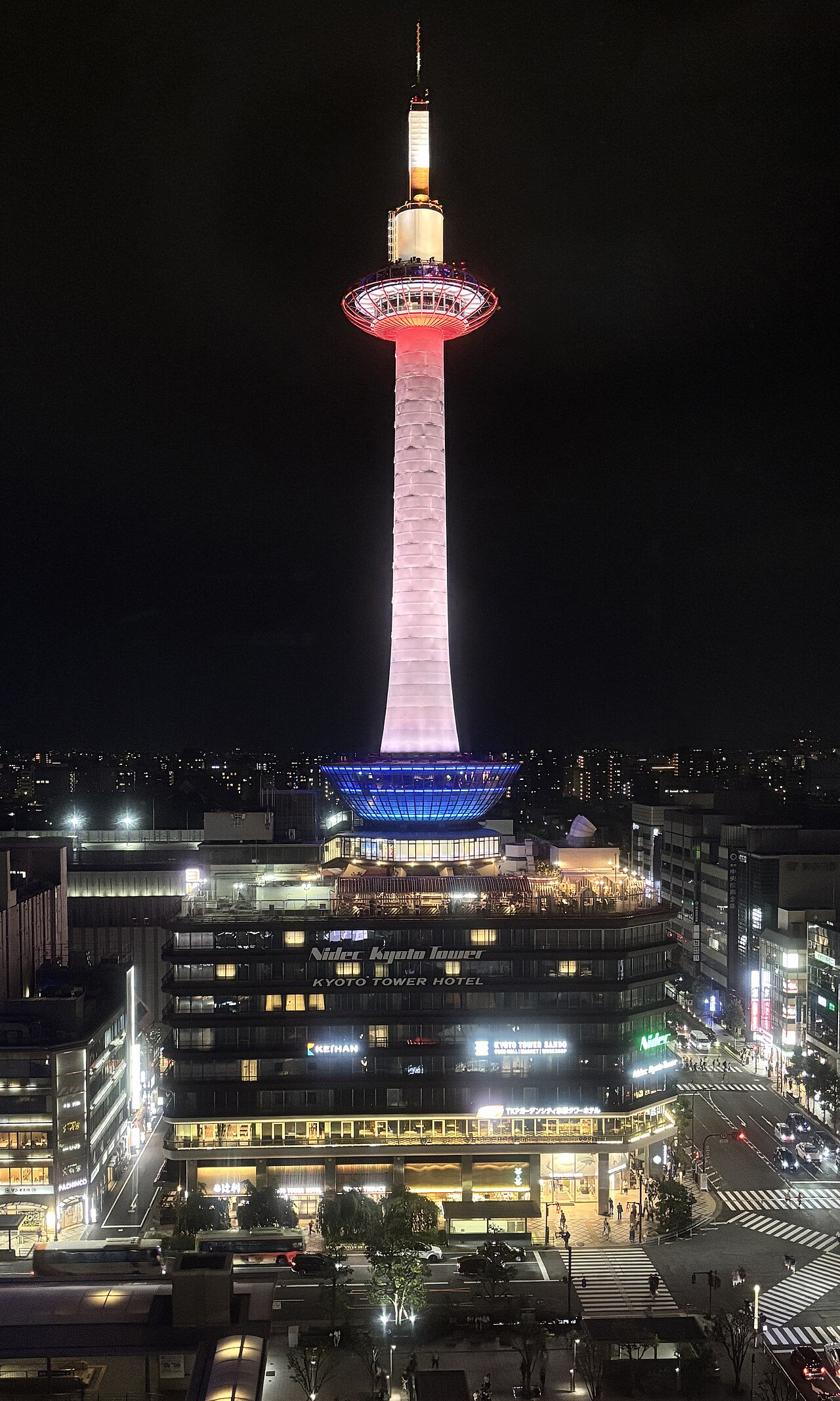
- Prayer room at Kyoto Tower: the Kansai Tourist Information Center on the 3rd floor of Kyoto Tower, 2 minutes from the station, has a prayer room with separate wudu areas for men and women. Ask the staff and fill in a short form, and they will show you in.
- Halal Ramen Ayam-Ya Karasuma: chicken ramen, certified by the Japan Halal Foundation.
- GYUMON Kyoto Station and Honolu Kyoto Station South: halal wagyu and ramen, both with prayer space for guests.
- Hotel Granvia Kyoto: the hotel above the station serves certified halal breakfast and kaiseki meals, which is a good way to try Kyoto’s traditional multi-course cuisine.
Arashiyama
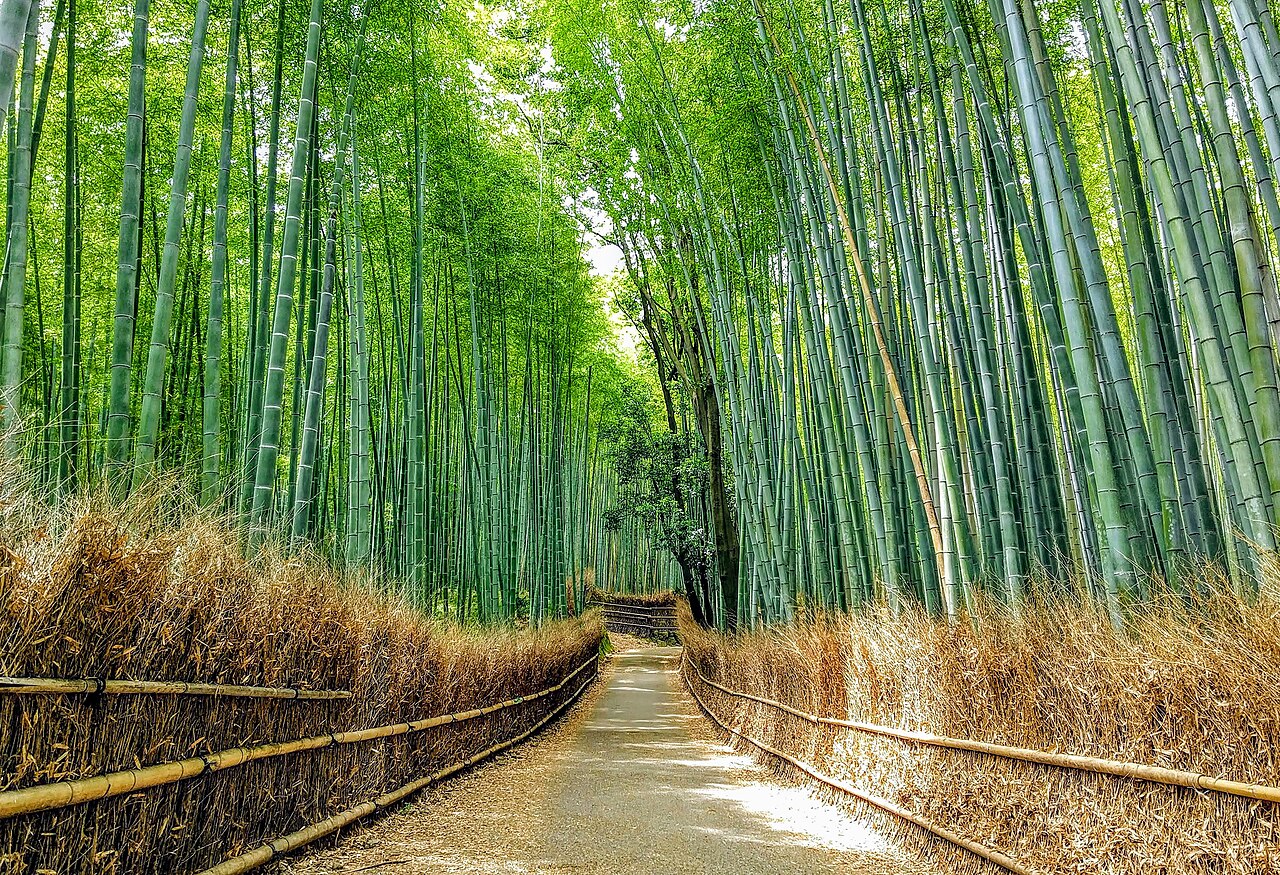
Arashiyama, with its bamboo grove and riverside temples, is a 15-minute train ride from central Kyoto. Yoshiya Arashiyama serves halal Japanese food certified by the Kyoto Halal Council and has a prayer room with ablution facilities, which makes it the easiest place to pray on a day out in western Kyoto.
Friday prayer in Kyoto: the Kyoto Muslim Mosque (Kyoto Islamic Cultural Center) in Kamigyo Ward is the main mosque for the city.
Osaka
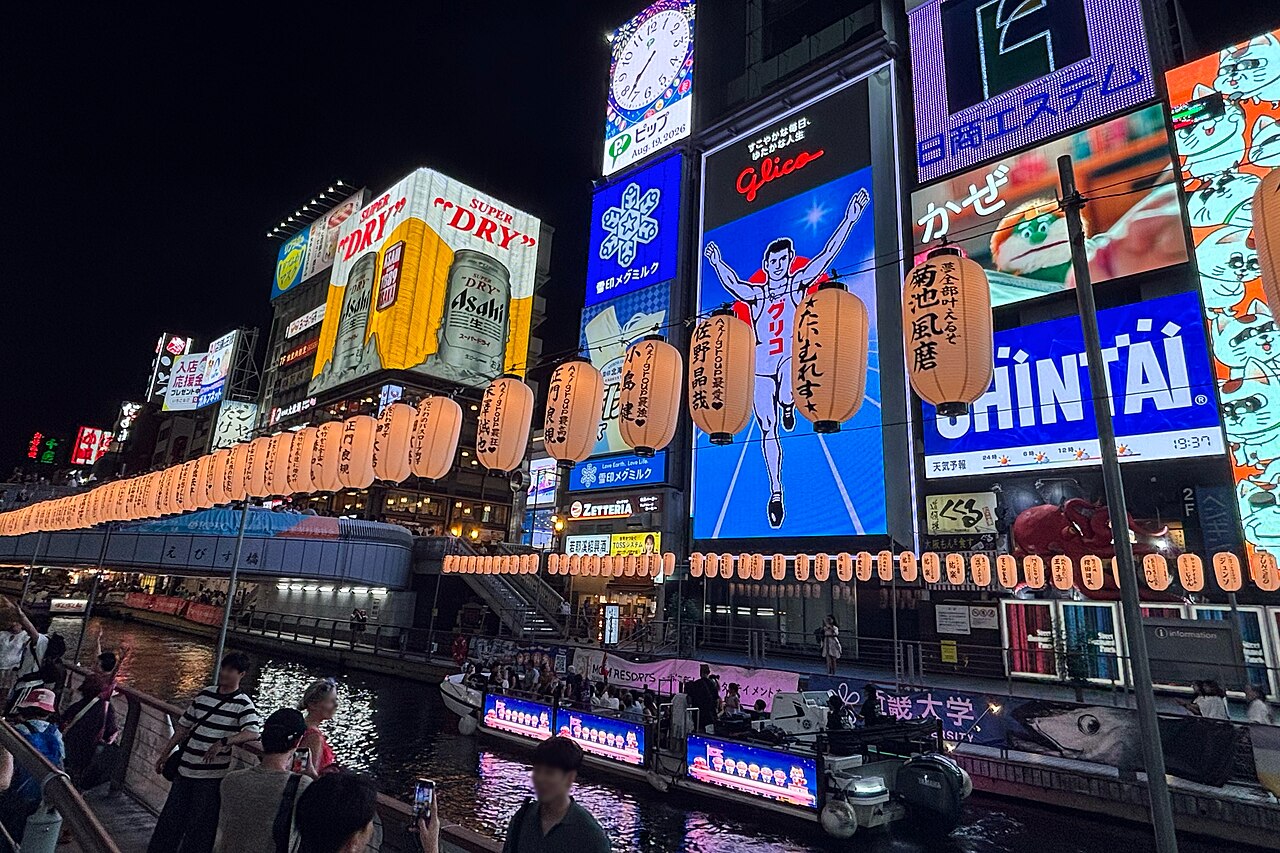
Osaka’s food scene is famous, and halal travellers are well covered too, especially around Dotonbori. For the city’s main sights and a 3-day plan, see our guide to the must-visit places in Osaka.
Dotonbori, Namba and Shinsaibashi
| Restaurant | Area | Food | Notes |
|---|---|---|---|
| GYUMON Osaka Dotonbori | Dotonbori | Halal wagyu and vegan ramen | Malaysia Halal Corporation; the most-reviewed halal restaurant in Japan |
| Wagyu Sukiyaki GYUMON | Higashi-Shinsaibashi | Wagyu sukiyaki | Same group, certified |
| Kobe Beef WANOMIYA Namba Midosuji | Namba | Halal Kobe beef | Near Namba Station |
| Halal Ramen Naniwaya | Nishi-Shinsaibashi | Ramen | Long-running halal ramen near Namba |
| Bagus Indonesian Kitchen | Nakatsu (north Osaka) | Indonesian food | A taste of home for Indonesian travellers |
Where to pray: there are prayer rooms in Namba City (ask at the B2 information centre), on the 7th floor of Daimaru Shinsaibashi (separate rooms for men and women), and at Osaka Station City South Gate Building (ask at the 3rd-floor information desk). Universal Studios Japan also lets guests use a prayer space through Guest Services.
Heads-up: there is currently no verified halal okonomiyaki in Osaka, so check carefully before ordering it.
Osaka’s mosques: for Friday prayer, Osaka Masjid in Nishiyodogawa Ward is the main city mosque, and Osaka Ibaraki Mosque, about 7 minutes’ walk from Toyokawa monorail station, serves the wider Kansai region.
🎥 Watch the Visual Guide Here: Delicious Halal Street Food Tour in Dotonbori, Osaka!
Prayer Rooms at Japan’s Airports
| Airport | Where | Notes |
|---|---|---|
| Narita (Tokyo) | Terminals 1, 2 and 3, both before and after passport control | Wudu facilities, qibla marker, separate areas |
| Haneda (Tokyo) | Terminal 3 (international) and Terminal 2 | No prayer room in Terminal 1 |
| Kansai (Osaka) | Terminal 1, 3rd floor (north side) and near Gate 16 after security | Open 24 hours, separate rooms for men and women |
Convenience Stores and Supermarkets: Words to Check
Konbini (7-Eleven, FamilyMart, Lawson) are everywhere, but most of their food is not halal. Onigiri with salmon (sake / 鮭), tuna mayo or kelp are common choices, but many travellers prefer to check every label. These are the words to look for in the ingredients list (原材料):
| Japanese | Reading | Meaning |
|---|---|---|
| 豚 / ポーク | buta / pōku | Pork |
| ラード | rādo | Lard |
| ベーコン / ハム | bēkon / hamu | Bacon / ham |
| ゼラチン | zerachin | Gelatin (often pork) |
| 酒 / アルコール | sake / arukōru | Alcohol |
| みりん | mirin | Sweet rice wine, used in many sauces |
| 洋酒 | yōshu | Western liquor, common in sweets |
| 乳化剤 / ショートニング | nyūkazai / shōtoningu | Emulsifier / shortening (source often unclear) |
Tip: Gyomu Super and some Don Quijote branches stock halal-certified meat and snacks. A translation app with camera mode (Google Translate or similar) makes label-reading much faster.
Muslim-Friendly Hotels
A few hotels now hold halal or Muslim-friendly certification for their kitchens and provide prayer mats, qibla direction and halal breakfast:
- Kyoto: Hotel Granvia Kyoto, above Kyoto Station.
- Osaka: Richmond Hotel Namba Daikokucho, Hotel Vischio Osaka by Granvia (near Osaka Station) and Sheraton Miyako Hotel Osaka.
Even at hotels without certification, most staff will happily tell you the qibla direction if you ask. Many Japanese inns also offer private family baths (kashikiri), which suit travellers who prefer not to use shared public baths. Our guide to Kinosaki Onsen explains how onsen etiquette works.
Travelling to Japan During Ramadan
- Ramadan 2027: expected to run from around 8 February to 9 March 2027 (exact dates depend on the moon sighting). Days are short and cool then, with sunset around 17:30 in Tokyo, so fasting is easier than in summer.
- What is on: this is ski season, plum blossom season and the Sapporo Snow Festival, and well before the cherry blossom crowds.
- Iftar: halal restaurants in Asakusa, Shibuya and Dotonbori get busy at sunset during Ramadan, so book ahead where you can. Tokyo Camii and larger mosques often hold community iftar.
- Planning: to compare seasons and crowds, see our month-by-month guide to the best time to visit Japan.
Useful Apps and Tips
- Halal restaurant apps: Halal Navi and the Japan Muslim Guide website list certified restaurants and prayer spaces with maps.
- Qibla and prayer times: download a prayer-time app before you fly, as times change noticeably between Hokkaido and Okinawa.
- Carry a compact prayer mat: shrines and temples have no prayer space, and some days you may pray in a quiet corner of a park or a hotel lobby.
- Ask politely: Japanese staff are rarely familiar with halal rules, but a simple card in Japanese saying “I cannot eat pork or alcohol” (豚肉とアルコールが食べられません) gets a helpful answer almost everywhere.
Muslim-Friendly Travel in Japan FAQ
Is Japan Muslim-friendly?
Yes. Japan has hundreds of halal and Muslim-friendly restaurants, prayer rooms at major airports and many shopping centres, and mosques in every big city. Tokyo, Kyoto and Osaka are the easiest places to start.
Where can I find halal food in Tokyo?
Asakusa and Ueno have the largest cluster of halal restaurants, followed by Shibuya and Shinjuku. Halal ramen and halal wagyu are the most popular choices.
Is there a prayer room at Kyoto Station?
The nearest dedicated prayer room is at the Kansai Tourist Information Center on the 3rd floor of Kyoto Tower, 2 minutes’ walk from the station. Several halal restaurants near the station also have prayer space.
Do Japanese airports have prayer rooms?
Yes. Narita has prayer rooms in all three terminals, Haneda in Terminals 2 and 3 (not Terminal 1), and Kansai International Airport in Terminal 1.
Is food at Japanese convenience stores halal?
Most is not certified. Check the ingredients for pork (豚), lard (ラード), gelatin (ゼラチン), alcohol (酒) and mirin (みりん), or buy from halal grocery stores.
Is Japan a good destination for Indonesian Muslims?
Yes. Indonesian e-passport holders can register for Japan’s visa waiver, direct flights run from Jakarta and Bali, and Osaka even has an Indonesian restaurant. Halal options are easy to find in all the main cities.
Sources checked: Tokyo Camii: For Visitors, Halal Navi: Halal ramen in Tokyo, Halal Navi: Kyoto, Halal Navi: Osaka. Restaurants open, close and renew certification often, so check the latest status before you go.