
Traditional Japanese Festivals: 12 Best Matsuri by Month (2027 Guide)

Last updated: 4 October 2026, with dates for the 2027 festival year.
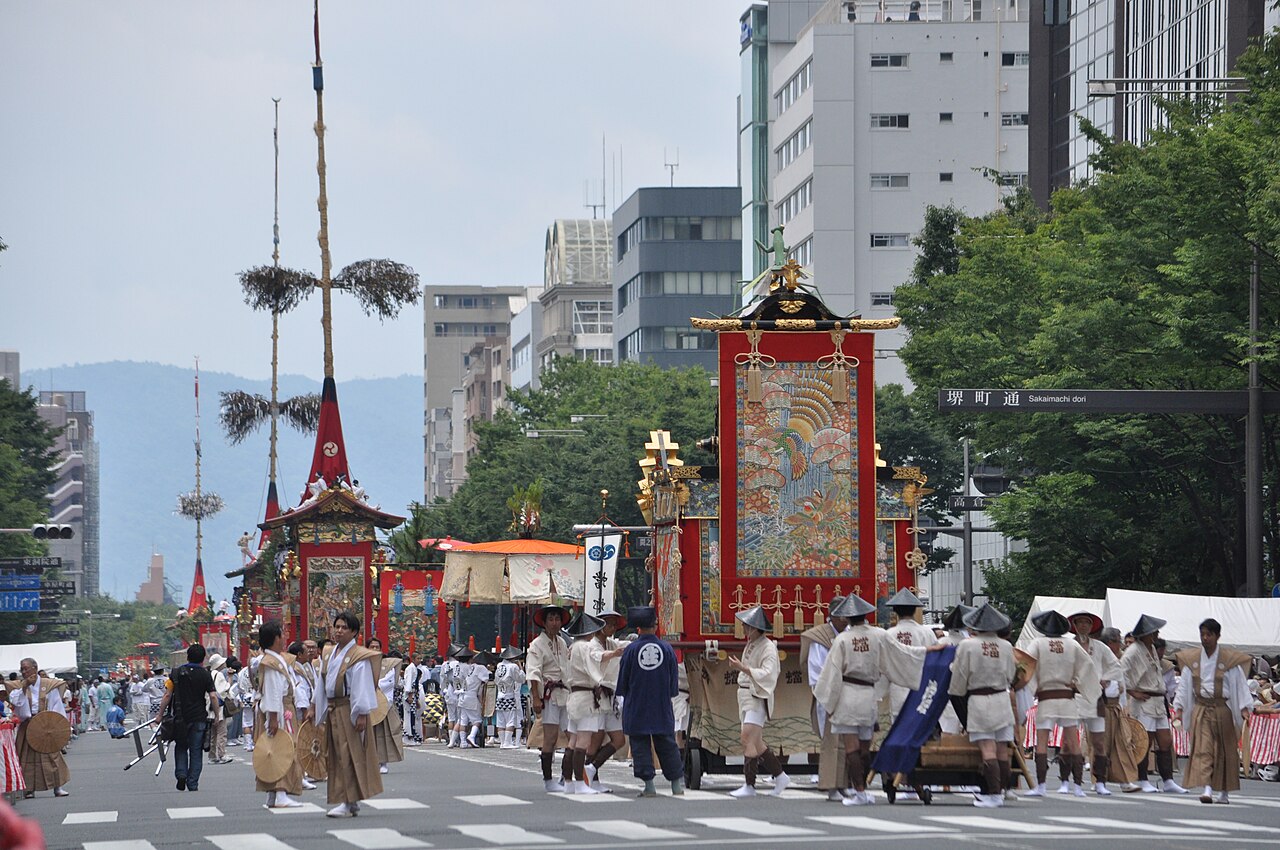
A matsuri is the moment a Japanese neighbourhood turns itself inside out. Shrine gods are carried through the streets in portable shrines, wooden floats taller than the houses around them are hauled by hand, and the whole district, from grandparents to toddlers in tiny happi coats, works together for one weekend it has planned all year.
For visitors, that is the appeal: you are not watching a show staged for tourists, you are standing inside a local ritual that has run for centuries. The catch is timing. Most of the great festivals fall on fixed dates, a few fill every hotel in town months ahead, and some are worth building a whole trip around.
This guide covers 12 traditional Japanese festivals worth travelling for, arranged by month, with dates, what actually happens, where to stand and how to get there. If you are still choosing your travel dates, start with our guide to the best time to visit Japan by season, then come back to match a festival to it.
Japanese Festival Calendar at a Glance
| Month | Festival | Where | Usual dates |
|---|---|---|---|
| February | Sapporo Snow Festival | Sapporo, Hokkaido | 4–11 Feb 2027 |
| April | Takayama Spring Festival | Takayama, Gifu | 14–15 Apr |
| May | Aoi Matsuri | Kyoto | 15 May |
| May | Kanda Matsuri (full version in odd years) | Tokyo | Weekend nearest 15 May |
| July | Hakata Gion Yamakasa | Fukuoka | 1–15 Jul |
| July | Gion Matsuri | Kyoto | All of July (parades 17 & 24 Jul) |
| July | Tenjin Matsuri | Osaka | 24–25 Jul |
| August | Aomori Nebuta Matsuri | Aomori | 2–7 Aug |
| August | Sendai Tanabata | Sendai | 6–8 Aug |
| August | Awa Odori | Tokushima | 12–15 Aug |
| September | Kishiwada Danjiri Matsuri | Kishiwada, Osaka | Weekend before Respect for the Aged Day (mid-Sep) |
| October | Takayama Autumn Festival | Takayama, Gifu | 9–10 Oct |
| December | Chichibu Night Festival | Chichibu, Saitama | 2–3 Dec |
Other dates worth knowing: Sanja Matsuri in Asakusa (third weekend of May), Gozan no Okuribi bonfires in Kyoto (16 August), and Jidai Matsuri in Kyoto (22 October).
What Makes a Matsuri “Traditional”?
Most traditional Japanese festivals belong to a Shinto shrine. Once a year, the shrine’s kami (deity) is moved into a mikoshi, a portable shrine, and carried around the district it protects. Floats called yama, hoko, yatai or danjiri, depending on the region, entertain the deity along the way. Many of these festivals began as prayers against plague, fire or a bad harvest.
Three things you will see almost everywhere:
- Mikoshi: gilded portable shrines carried on the shoulders of dozens of bearers, often bounced and shaken to “energise” the god inside.
- Floats: some are pulled by ropes, some carried, some lit from inside. In 2016, UNESCO listed 33 of Japan’s float festivals, including Gion, Takayama, Chichibu and Hakata Gion Yamakasa, as Intangible Cultural Heritage.
- Yatai food stalls: yakisoba, takoyaki, kakigori shaved ice and chocolate-dipped bananas, usually cash only.
Obon, the summer festival of the dead in mid-August, is the main Buddhist exception, and it is the origin of the bon odori dances, including Awa Odori.
Winter and Spring Festivals
Sapporo Snow Festival (Hokkaido), February
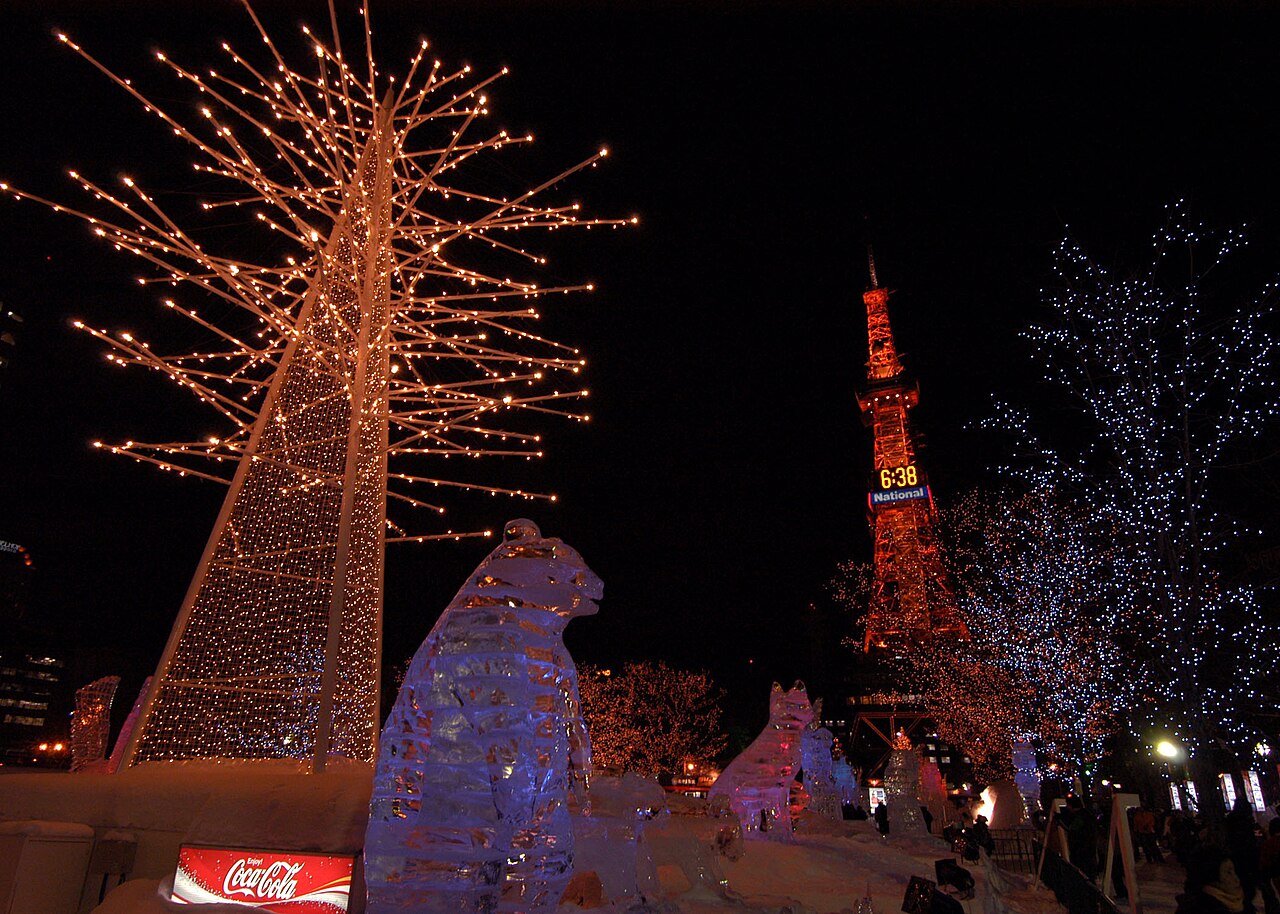
Strictly speaking this is a modern festival: it started in 1950 when local high school students built six snow statues in Odori Park. It belongs on this list because it is the biggest winter event in Japan and the easiest to combine with a ski trip.
- 2027 dates: 4 to 11 February.
- Three sites: Odori Park for the giant snow sculptures, Susukino for ice sculptures, and Tsudome for snow slides and family activities.
- Best time: after dark, when the sculptures are lit until 10 pm.
- Getting there: the JR Rapid Airport train from New Chitose Airport reaches Sapporo Station in about 40 minutes.
Hotels in central Sapporo sell out early for festival week, so book as soon as your dates are fixed.
Takayama Spring Festival (Gifu), 14–15 April
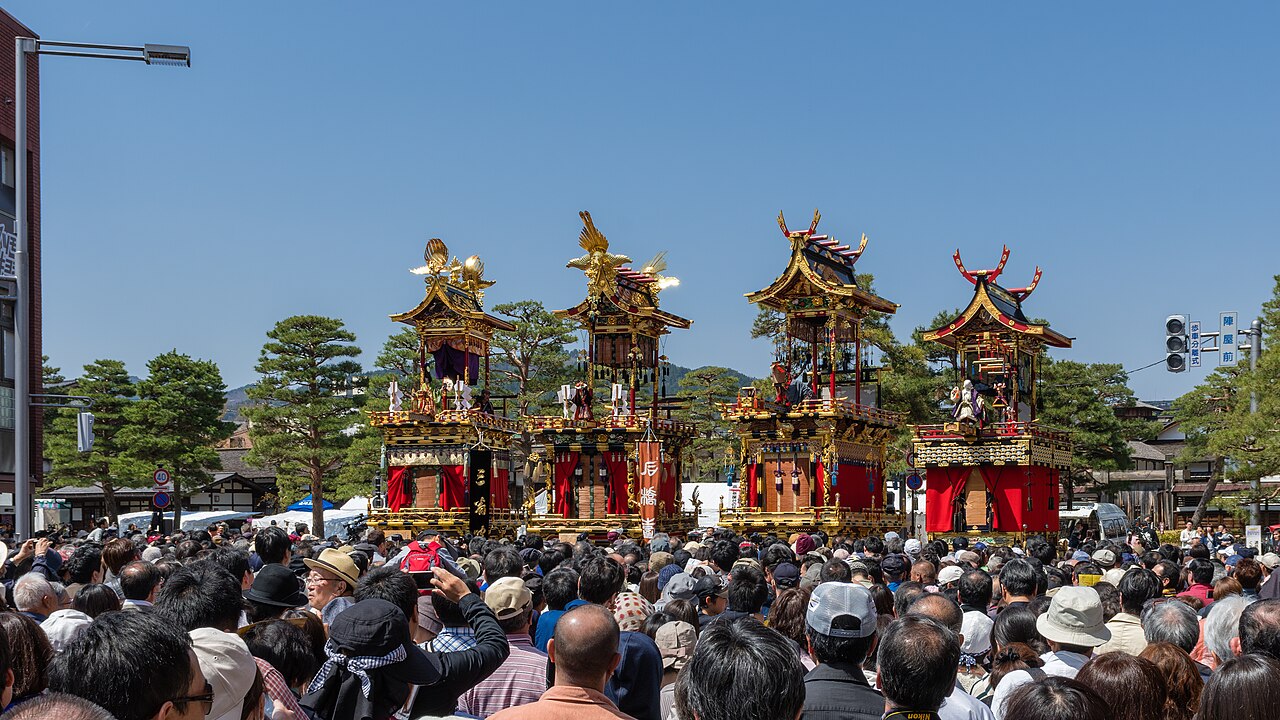
Often called one of Japan’s most beautiful festivals, Takayama’s spring festival belongs to Hie Shrine and brings out 12 lacquered and gilded floats. Some carry karakuri puppets, mechanical dolls operated by strings that perform short acts on top of the float.
- Daytime: floats are displayed in the old town, with karakuri performances at set times.
- Evening of 14 April: the floats are lit with around 100 lanterns each and pulled slowly through the streets. This is the moment to be there.
- Autumn version: the Hachiman Festival on 9–10 October, with 11 floats.
- Getting there: the JR Hida limited express from Nagoya takes about 2.5 hours.
Not visiting in April or October? The Takayama Festival Floats Exhibition Hall displays several of the real floats all year.
Aoi Matsuri (Kyoto), 15 May
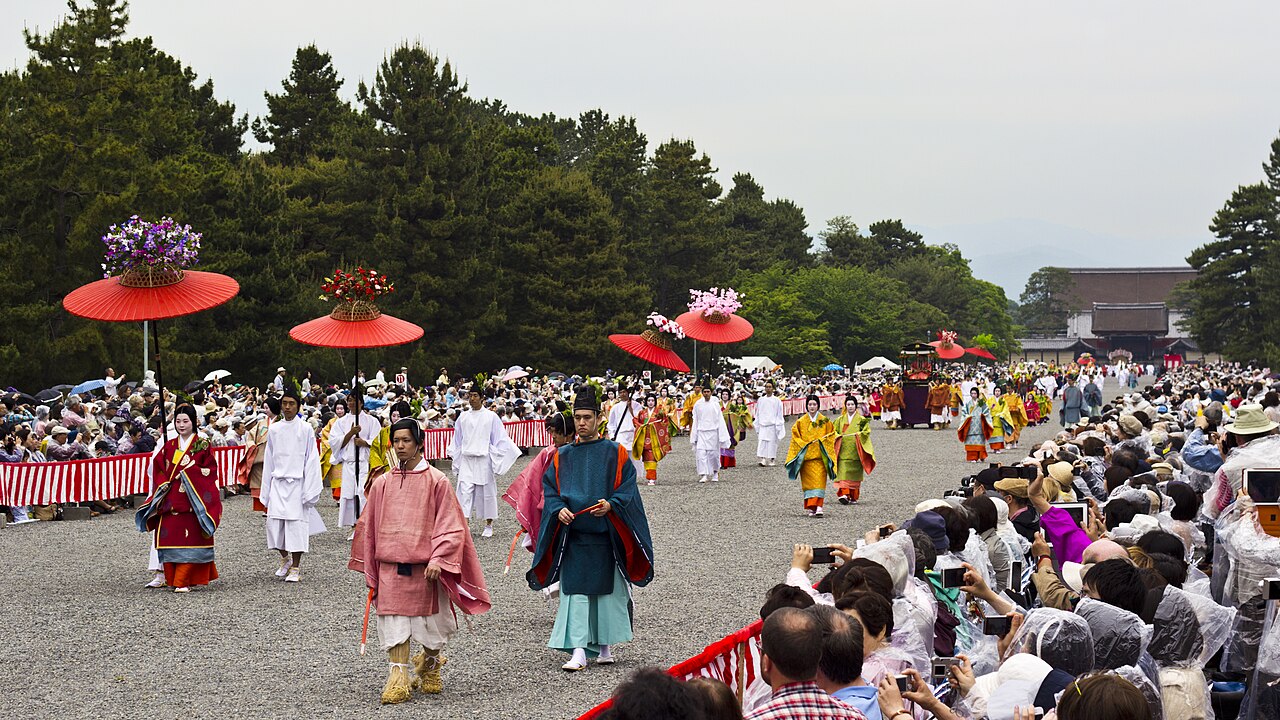
The Aoi Matsuri is one of Kyoto’s three great festivals and its most elegant. Around 500 people dressed as Heian-period courtiers walk from the Kyoto Imperial Palace to Shimogamo Shrine and then to Kamigamo Shrine, accompanied by an ox-drawn carriage and decorated with hollyhock (aoi) leaves.
- When: 15 May, leaving the Imperial Palace at 10:30. Rain moves it to the next day.
- Where to watch: paid seats at the Imperial Palace and Shimogamo Shrine, or free spots along the Kamo River.
- Mood: quiet and slow, which makes it a good choice if crowds and noise put you off.
Kanda Matsuri (Tokyo), Mid-May
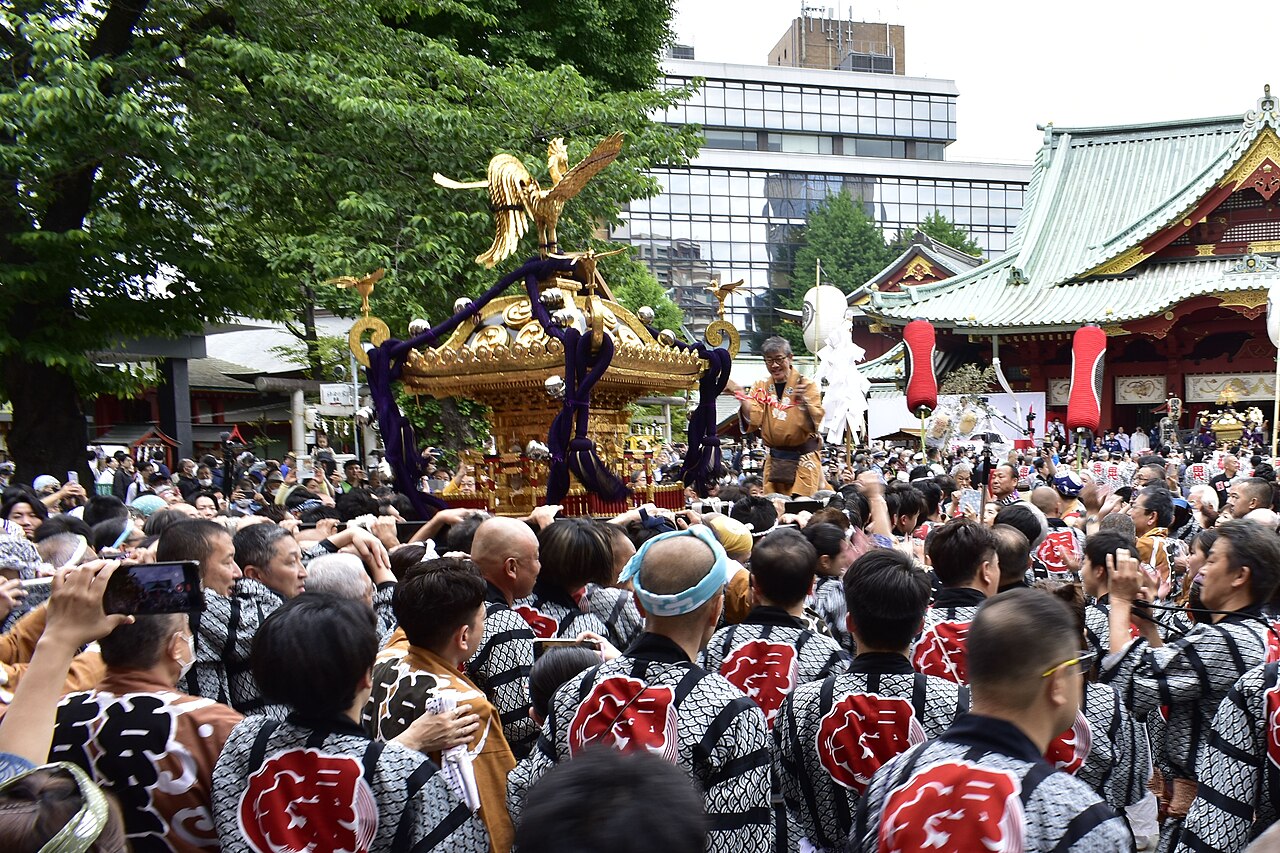
Kanda Matsuri is one of Tokyo’s great Edo-period festivals. The full version (honmatsuri) is held only in odd-numbered years, so 2027 is a full-scale year. In even years, a smaller version is held.
- Saturday: the Shinkosai procession, with the shrine’s mikoshi and costumed participants passing through Kanda, Nihonbashi, Otemachi and Akihabara.
- Sunday: the Mikoshi Miyairi, when neighbourhood mikoshi are carried into Kanda Myojin one after another all day.
- Getting there: Kanda Myojin is a 5-minute walk from JR Ochanomizu or Akihabara stations.
The shrine announces the exact 2027 dates in spring, so check the Kanda Myojin official site before booking.
Summer Festivals: The Peak Season
July and August are the heart of the matsuri year. The big three of Japan’s summer, Gion, Tenjin and Nebuta, all fall within a few weeks of each other.
Gion Matsuri (Kyoto), All of July
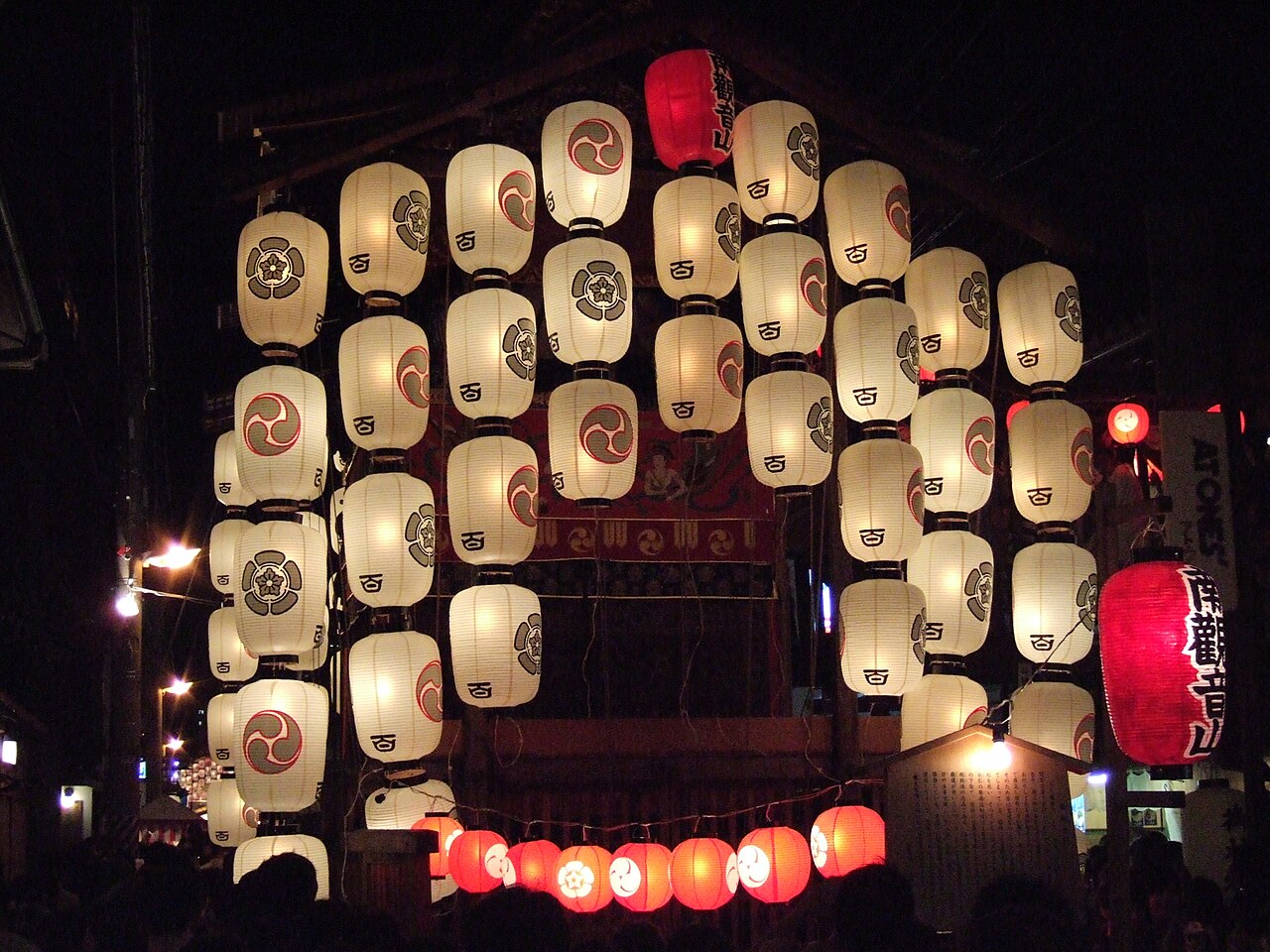
The Gion Matsuri of Yasaka Shrine dates back to 869, when a ritual was held to stop an epidemic. It runs for the whole of July, but most visitors come for two things:
| Event | Dates | What happens |
|---|---|---|
| Saki Matsuri Yoiyama | 14–16 July (evenings) | Floats lit with lanterns, streets closed to cars, food stalls, open float interiors |
| Saki Matsuri Yamaboko Junko | 17 July (from 9:00) | Parade of 23 floats |
| Ato Matsuri Yoiyama | 21–23 July (evenings) | Quieter version with fewer crowds |
| Ato Matsuri Yamaboko Junko | 24 July (from 9:30) | Parade of 11 floats |
The largest hoko floats stand around 25 metres tall to the tip of their spire and weigh about 12 tonnes. Watch them make the tsuji-mawashi, the 90-degree turn at the Shijo-Kawaramachi and Kawaramachi-Oike intersections, done by sliding the wheels over wet bamboo strips.
Practical notes:
- Heat: Kyoto in July regularly passes 35°C. Bring water, a hat and a hand towel.
- Seats: paid grandstand seats on Oike-dori sell out early.
- After the festival: if the crowds wear you out, Kinosaki is a quieter onsen town to unwind after the festival crowds, about 2.5 hours from Kyoto by limited express.
🎥 Watch the Visual Guide Here: Gion Matsuri Festival & Yamahoko Floats, Kyoto, Japan: Essential Tips & Travel Guide 4K
Hakata Gion Yamakasa (Fukuoka), 1–15 July
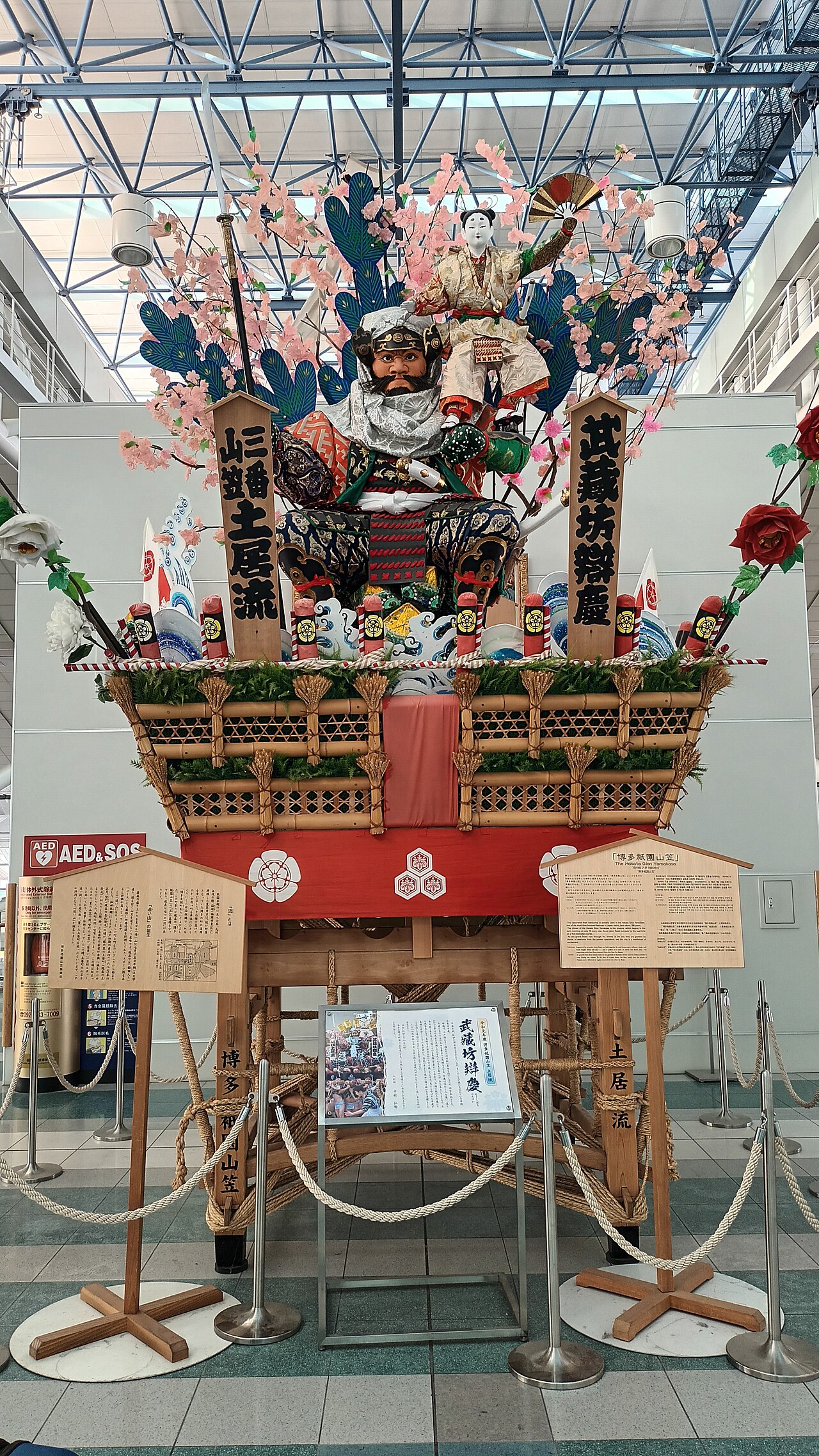
Fukuoka’s festival of Kushida Shrine has a tradition said to go back to 1241. For two weeks, tall decorated kazariyama floats stand on display around the city. Then seven teams race their one-tonne kakiyama floats around a course of about 5 km, carrying them on their shoulders.
- 1–14 July: kazariyama displays around Hakata and Tenjin, plus practice runs in the evenings.
- 15 July, 4:59 am: the Oiyama, the final timed race. Arrive by 4 am to get a spot near Kushida Shrine.
- Getting there: Kushida Shrine is about 5 minutes on foot from Gion Station on the Fukuoka subway, or 15 minutes from JR Hakata Station.
Tenjin Matsuri (Osaka), 24–25 July
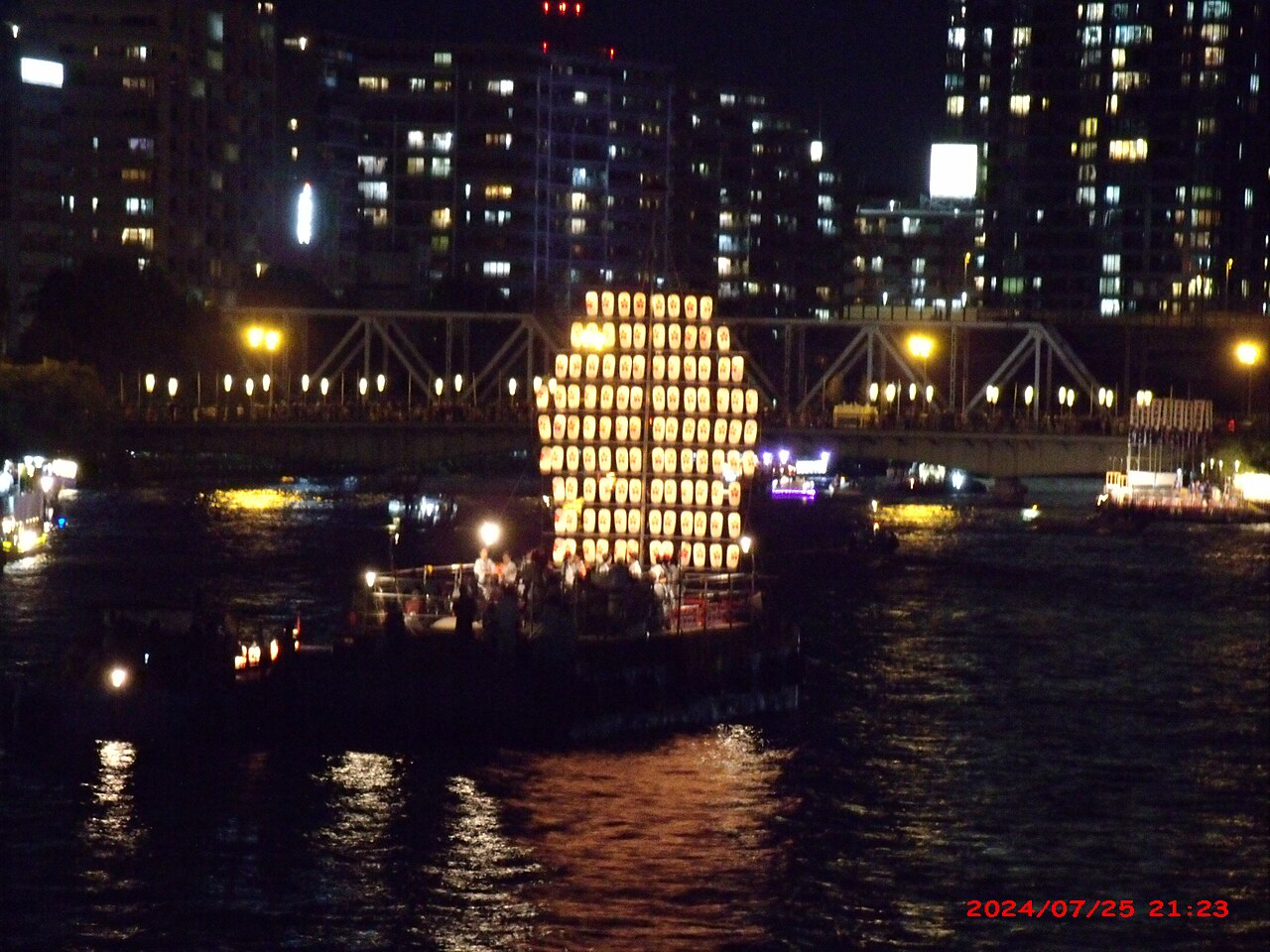
Osaka Tenmangu’s festival honours Sugawara Michizane, the deity of learning, and has been held for more than 1,000 years. The highlight is on the evening of 25 July:
- Rikutogyo (afternoon of 25 July): a land procession of around 3,000 people in court costume walks from the shrine to the river.
- Funatogyo (evening of 25 July): around 100 boats, many lit with lanterns, sail along the Okawa River while fireworks go off overhead.
- Where to watch: the riverbanks around Sakuranomiya Park and Kawasaki Bridge. JR Sakuranomiya Station on the Osaka Loop Line is the closest.
Planning a whole trip around Tenjin Matsuri in Osaka? Our must-visit places in Osaka guide covers where to stay and what to see on the days around it.
Aomori Nebuta Matsuri (Aomori), 2–7 August
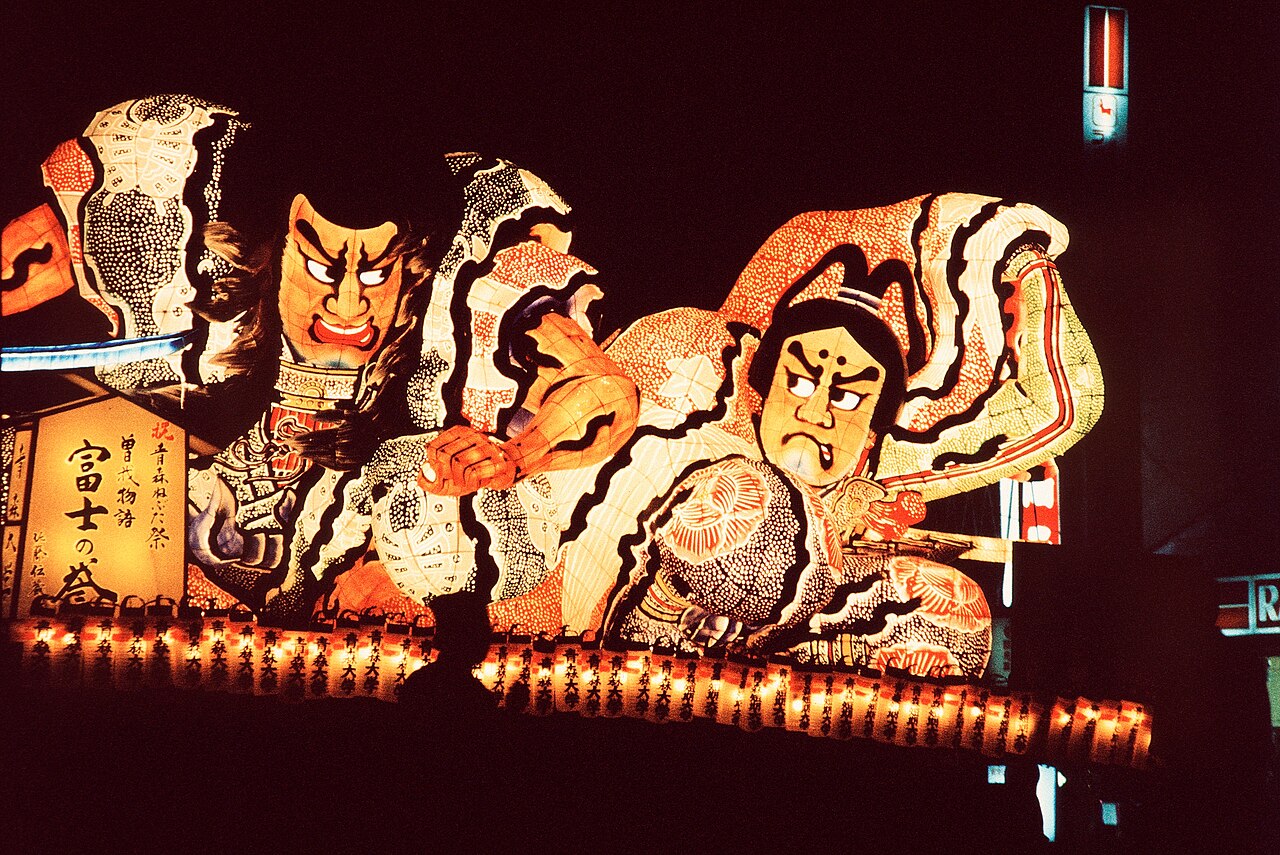
The Nebuta are enormous paper lantern floats, about 9 metres wide and 5 metres high, painted with warriors, gods and kabuki heroes and lit from inside. Around 20 large floats are pulled through central Aomori each night, surrounded by drummers, flute players and thousands of haneto dancers chanting “Rassera! Rassera!”
| Date | What happens |
|---|---|
| 2–6 August | Evening parades from about 19:00 (children’s floats on the first two nights) |
| 7 August | Daytime parade, then the floats sail across Aomori Bay with fireworks |
You can join in. Anyone wearing a full haneto costume can dance in the parade, and costume shops around Aomori rent or sell the full set.
Aomori is a long way north, so this is where a rail pass shines: using the JR Pass to reach Aomori for Nebuta Matsuri means a Hayabusa Shinkansen ride of just over 3 hours from Tokyo to Shin-Aomori, then a 5-minute local train to Aomori Station. Hotels in the city fill up a year ahead, so many visitors stay in Hirosaki or Hachinohe and ride in.
Outside August, the Nebuta Museum WA-RASSE next to Aomori Station displays several of the year’s winning floats.
🎥 Watch the Visual Guide Here: Aomori Nebuta Matsuri, 4K Ultra HD
Sendai Tanabata (Miyagi), 6–8 August
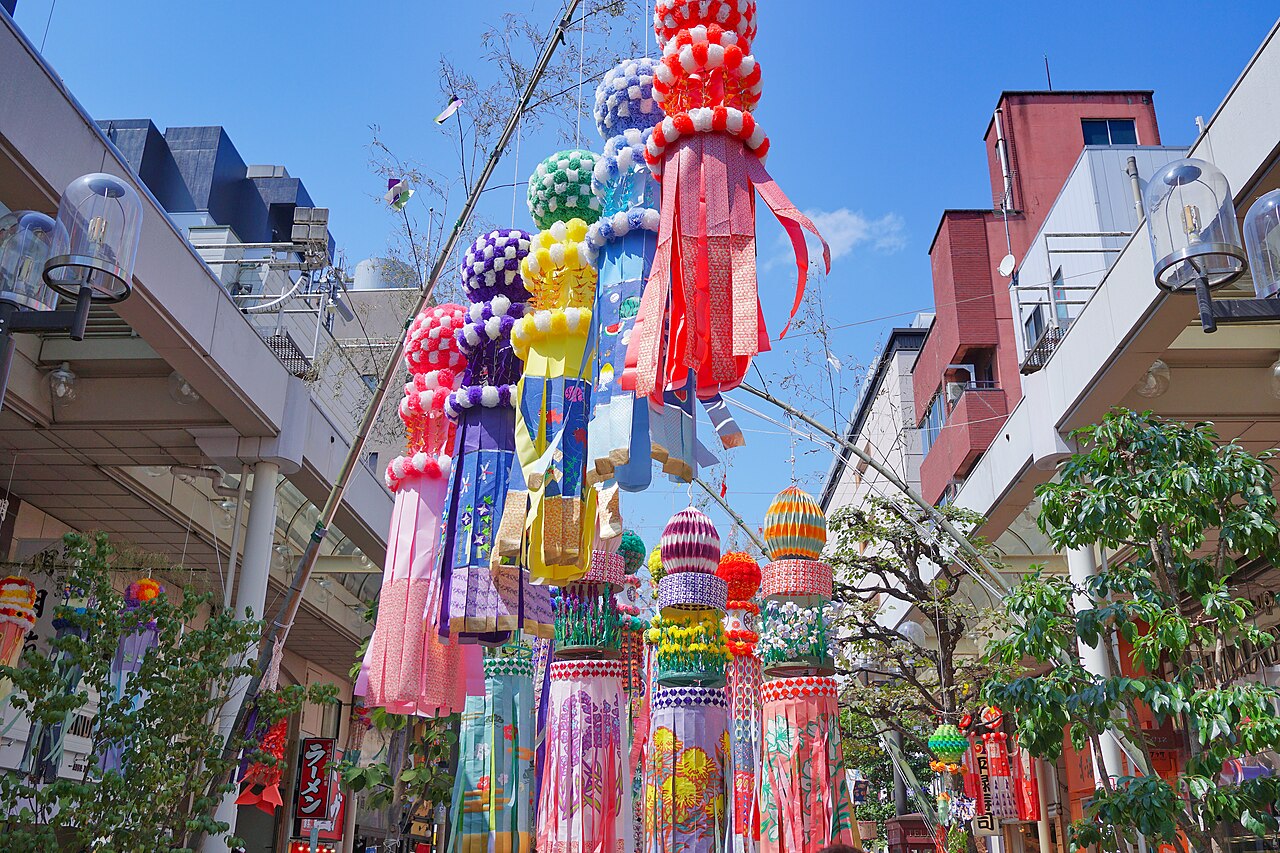
Tanabata, the Star Festival, celebrates the once-a-year meeting of the star lovers Orihime and Hikoboshi. Most of Japan marks it on 7 July, but Sendai follows the old lunar calendar and holds the country’s biggest Tanabata in August.
- What to see: thousands of huge paper streamers (fukinagashi), many several metres long, hanging in the Ichibancho and Chuo-dori shopping arcades.
- The night before (5 August): a fireworks show of around 16,000 shots.
- Tradition to join: write a wish on a strip of paper (tanzaku) and tie it to a bamboo branch.
- Combine it: Sendai is 90 minutes from Tokyo by Shinkansen and on the way to Aomori, so you can see Nebuta and Tanabata on one trip.
Awa Odori (Tokushima), 12–15 August
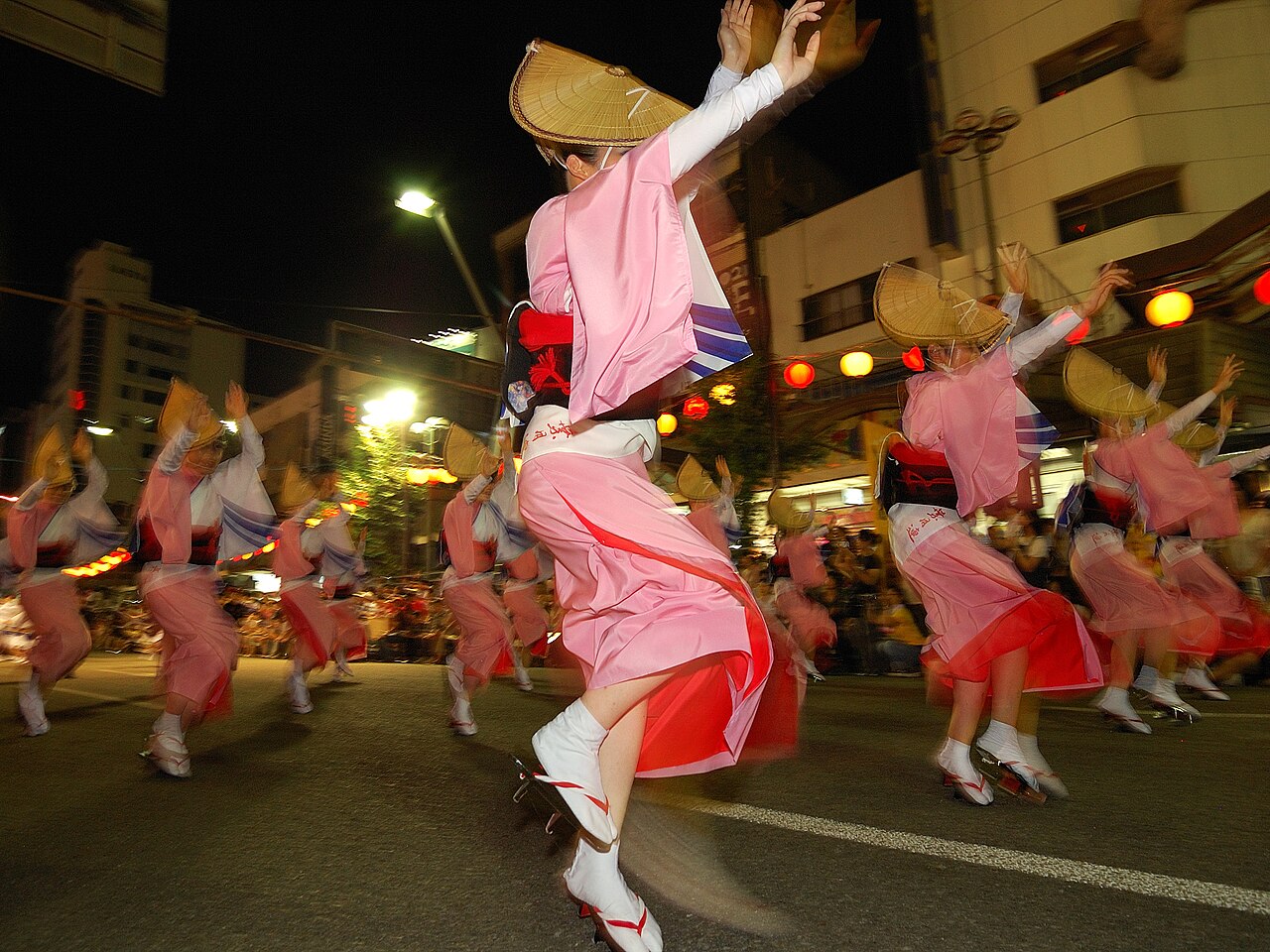
Awa Odori is Japan’s largest bon odori dance festival, with roots going back about 400 years. Over four nights, dance groups called ren move through Tokushima to shamisen, drums and flutes, while the crowd joins the famous chant: “Odoru ahou ni miru ahou, onaji ahou nara odoranya son son” (“The dancers are fools, the watchers are fools, so if we’re all fools, why not dance?”).
- Paid stages (enbujo): the best view of the top ren, with tickets sold from early summer.
- Free streets: the side streets are just as lively and you can walk right up to the dancers.
- Join a niwaka-ren: beginner groups teach visitors the steps on the spot and let them dance in the parade.
- Getting there: about 2.5 hours by highway bus from Osaka, or around 3 hours by JR via Okayama and Takamatsu.
Autumn and Winter Festivals
Kishiwada Danjiri Matsuri (Osaka), Mid-September
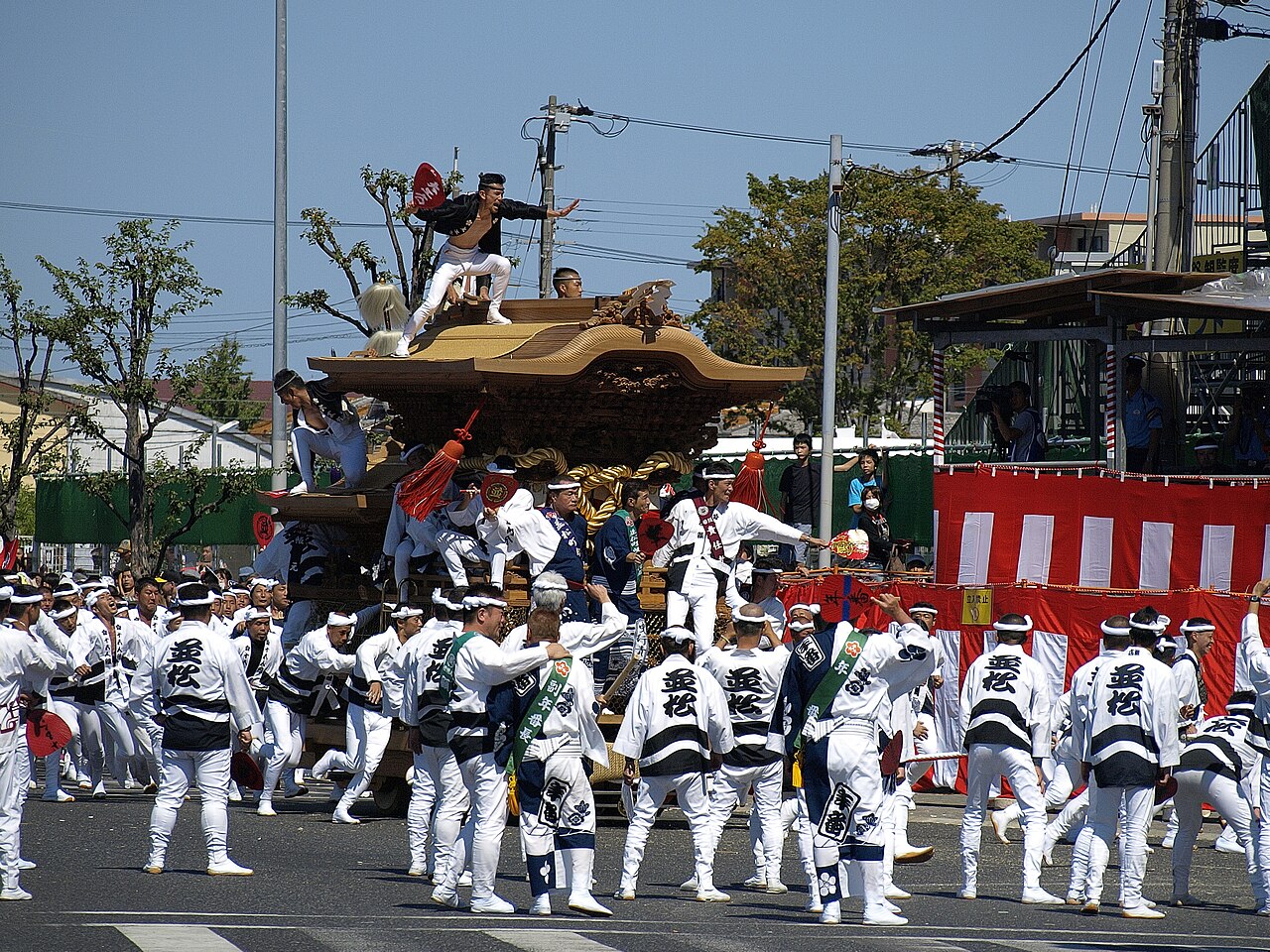
This is Japan’s most adrenaline-heavy festival. Teams of several hundred people pull carved wooden danjiri carts, each weighing around 4 tonnes, through narrow streets at a run. The highlight is the yarimawashi, a 90-degree turn taken at speed, with a carpenter dancing on the roof of the moving cart.
- When: the Saturday and Sunday before Respect for the Aged Day (third Monday of September). In 2027 that should be 18–19 September.
- Safety: stand behind the barriers and follow staff instructions. People are injured most years.
- Getting there: Kishiwada is about 25 minutes from Namba on the Nankai Main Line (not covered by the JR Pass).
Chichibu Night Festival (Saitama), 2–3 December
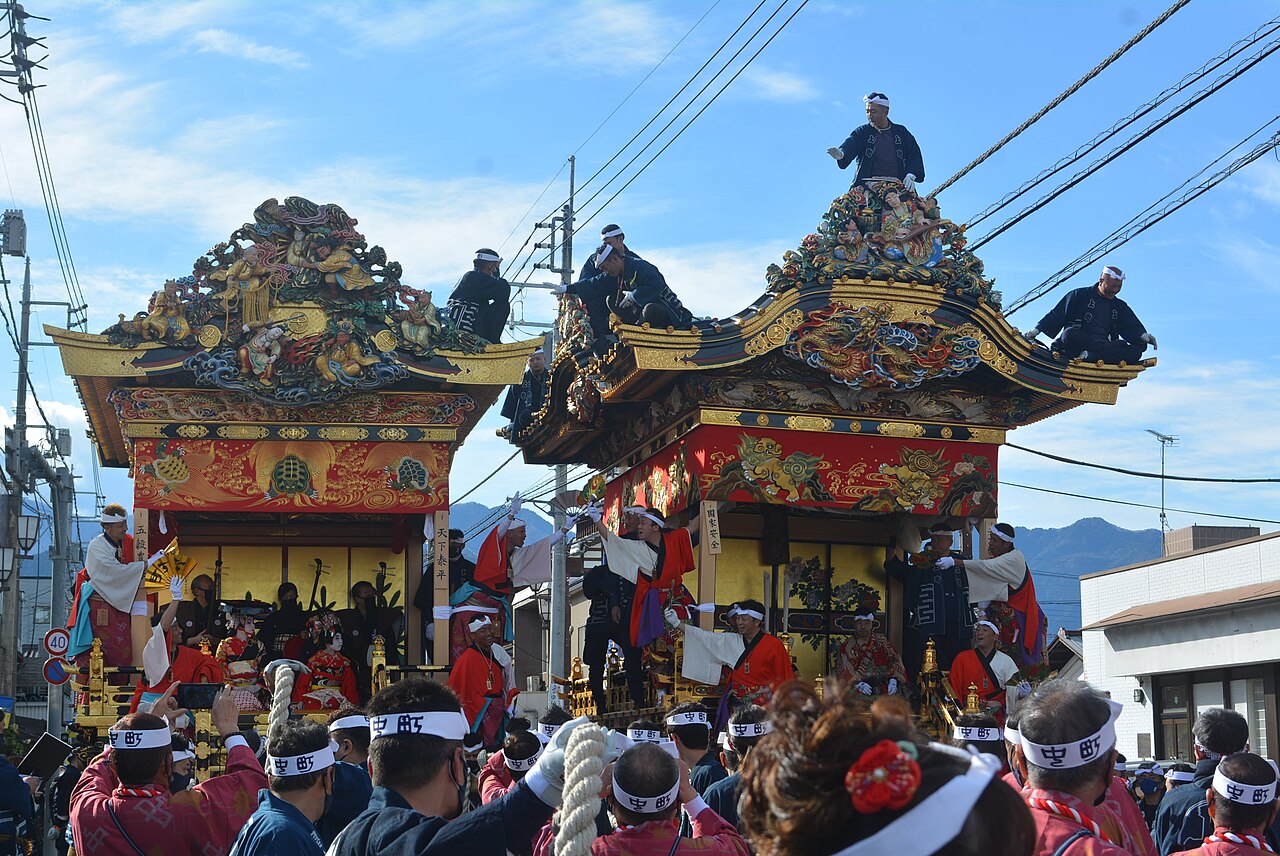
Chichibu’s festival for Chichibu Shrine is counted among Japan’s three great float festivals, alongside Gion and Takayama. Six ornate floats covered in lanterns are pulled through town on the night of 3 December and hauled up the steep Dangozaka slope to the festival grounds, while a winter fireworks show lights up the sky.
- Best night: 3 December, from late afternoon until around 10 pm.
- Wrap up: temperatures drop close to freezing after dark.
- Getting there: the Seibu Laview limited express from Ikebukuro takes about 80 minutes. Reserve seats early for 3 December.
How to Enjoy a Japanese Festival: Practical Tips
| Topic | What to know |
|---|---|
| Cost | Almost every festival is free to watch. Paid seats exist for Gion, Aoi, Nebuta and Awa Odori. |
| Accommodation | Book 6 to 12 months ahead for Gion, Nebuta, Awa Odori and Sapporo. |
| Money | Bring cash in small notes for food stalls. |
| What to wear | A yukata is welcome at summer festivals, but comfortable shoes matter more. |
| Rubbish | Public bins are rare. Carry a small bag for your rubbish. |
| Etiquette | Do not touch mikoshi or floats, do not block bearers, and ask before photographing participants up close. |
| Heat | Summer festivals are hot and humid. Drink water before you feel thirsty. |
Plan your route around fixed dates. Most festivals follow the same calendar every year, so lock in the festival day first and build the rest of the trip around it.
Traditional Japanese Festivals FAQ
What is the most famous festival in Japan?
Kyoto’s Gion Matsuri is usually considered the most famous. It runs through July, with its main float parades on 17 and 24 July.
What is the best month for festivals in Japan?
July and August. Gion, Hakata Gion Yamakasa, Tenjin, Nebuta, Sendai Tanabata and Awa Odori all take place within about six weeks.
Are Japanese festivals free?
Yes, watching is free at almost all festivals. Some sell grandstand seats for the main parades.
Can tourists take part in Japanese festivals?
Yes, at some. You can dance as a haneto at Aomori Nebuta in a full costume, and join a beginner niwaka-ren at Awa Odori in Tokushima.
Should I wear a yukata to a festival?
You can, and many locals do at summer festivals. It is optional, and comfortable shoes are more important than the outfit.
Which festivals happen in winter?
The Sapporo Snow Festival in early February and the Chichibu Night Festival on 2–3 December are the best-known winter festivals.
Plan Your Festival Trip
Pick one anchor festival, book your bed first, and leave a free day on either side, because festival schedules shift with the weather and crowds slow everything down. Pair a Kansai summer festival with a few days in Osaka and Kyoto, or a Tohoku festival with a rail pass trip north, and you will see a side of Japan that most visitors miss.
Sources checked: japan-guide.com: Japanese Festivals, UNESCO: Yama, Hoko, Yatai float festivals in Japan, Kanda Myojin official site. Festival times can change, so confirm on the official sites before you travel.
Hi, this is a comment.
To get started with moderating, editing, and deleting comments, please visit the Comments screen in the dashboard.
Commenter avatars come from Gravatar.